The Rich History of RV Parks and Camping Life in Denton, Texas
Exploring the RV Park history of a specific location like Denton, Texas, reveals much about American mobility, leisure travel, and community development. As motorhomes gained popularity across North Texas, dedicated camping areas became essential infrastructure. This long-form guide delves into the evolution of recreational vehicle (RV) parks within the greater Denton area, showing how these destinations grew from simple roadside stops to sophisticated vacation spots.
The Early Days: Camping Before Commercial RV Parks
Before formalized Denton RV parks existed, camping was often rudimentary. Early travelers—whether pioneers or seasonal tourists—relied on natural landscapes and established state grounds for shelter. The concept of a structured overnight stay dedicated solely to motorized vehicles required significant infrastructural development. In the early days of automobile travel across Texas, designated safe spots were scarce. These initial needs set the stage for what would eventually become modern RV park history.
The first rudimentary camping areas near Denton likely sprang up along major thoroughfares connecting Dallas and points north. These sites catered to those passing through who needed a secure place to rest their vehicles, but they lacked the amenities we associate with today’s dedicated parks. The need for reliable utilities—water, electric hookups, and waste disposal—was always the driving force behind these nascent camping communities.
The Golden Age of Mobility: Post-War Growth in Denton
The mid-20th century marked a massive shift in American culture and travel habits. Increased prosperity following World War II meant that more families could afford automobiles, and subsequently, recreational vehicles became attainable for the middle class. This boom fueled an unprecedented demand for organized camping facilities. The RV Park history of Denton Texas began to take concrete shape during this period.
As travel expanded beyond simple road trips, developers recognized the commercial potential in creating dedicated campgrounds near growing suburban hubs like Denton. These early professional parks started offering more than just a spot to park; they offered services—showers, laundry facilities, and recreational activities designed for families enjoying camping in Denton Texas.
The growth was directly tied to improving local transportation networks around the city limits. Proximity to major highways made these areas appealing stopping points, solidifying their place in the regional travel landscape and defining much of what we now call modern RV park infrastructure.
Developing Amenities: How Denton’s Parks Adapted
A crucial element of RV Park history is its adaptability. The parks near Denton have continually evolved to meet changing consumer expectations regarding comfort, safety, and connectivity. Early sites might have featured basic gravel pads; today's facilities boast paved roads, high-speed internet access points (or the infrastructure for them), and sophisticated utility hookups.
The development process in Denton Texas saw parks integrate local flavor while maintaining modern standards. They became more than just parking lots; they functioned as temporary mini-communities. This required careful planning regarding zoning, waste management, and noise mitigation—all factors that shaped the lasting character of these popular camping destinations.
- Utility Improvements: Moving from basic water dumps to full electrical pedestals was a major step in park sophistication.
- Recreation Focus: The addition of pools, playgrounds, and activity centers cemented their role as family vacation spots during camping in Denton Texas.
- Year-Round Use: Modern parks learned that camping wasn't just seasonal; robust management allowed them to thrive year-round.
The Contemporary Landscape of RV Camping Near Denton
Today, the role of these established Denton area outdoor living spots is multifaceted. They serve not only as destinations for vacationing families but also as crucial overnight stops for professional travelers and long-haul motorhome owners who rely on reliable infrastructure.
The modern understanding of RV Park history emphasizes sustainability alongside convenience. Newer additions to the camping circuit focus heavily on green practices, water conservation, and minimizing environmental impact while still providing high levels of comfort expected by today's traveler. Whether a visitor is enjoying an extended stay or just making a quick overnight stop during their journey through North Texas, they benefit from decades of accumulated knowledge in park management.
The continuous evolution ensures that whether you are looking for historic charm combined with modern amenities, the Denton RV parks offer diverse options. The history proves these locations aren't static; they remain dynamic centers supporting outdoor recreation and tourism within Denton County.
Conclusion: A Legacy of Travel
The story of RV Park history in Denton, Texas is a microcosm of American mobility itself—a journey from simple necessity to sophisticated leisure. From early roadside camping spots providing basic shelter to the highly structured, amenity-rich parks found today, these locations have played a vital role in connecting people with nature and promoting community travel.
Traveling by recreational vehicle, or RVing, offers unparalleled freedom and adventure. At the heart of this mobile lifestyle are dedicated RV parks—spaces designed specifically for comfortable, safe, and enjoyable camping with your large vehicle. Choosing the right RV park can make or break a vacation, as it impacts everything from utility access to community atmosphere. This comprehensive guide will help you understand what makes an excellent RV Park experience and how to select the perfect camping spot for your RV adventure.
Understanding What Makes a Great RV Park
An ideal RV park is more than just a collection of numbered spots; it is a self-contained community amenity designed to support modern camping needs. Unlike basic campgrounds, quality RV parks offer comprehensive infrastructure and services that allow travelers to settle in for extended stays or enjoy short weekend getaways without sacrificing comfort.
When evaluating potential RV park amenities, consider the following core features:
- Utility Reliability: Access to reliable water, electricity (full hookups), and sewage disposal is non-negotiable for most modern RVs.
- Safety Features: Well-lit pathways, controlled access points, and visible fire safety equipment enhance peace of mind while you enjoy camping with an RV.
- Community Spaces: Look for common areas like playgrounds, pools, or gathering pavilions that allow families to interact and build memories outside the confines of their vehicle.
Essential Knowledge About Full Hookup Sites
One of the most important technical considerations when booking an RV camping spot is understanding utility hookups. The term "full hookup" refers to a site that provides all necessary utilities directly to your RV, allowing you to operate as if you were in a traditional mobile home community.
Types of Electrical and Utility Hookups
Understanding these types will ensure your specific needs are met at the RV park:
- Electric (Electrical Hookup): Provides power for lights, appliances, and charging batteries. Always confirm amperage capacity to prevent tripping breakers or equipment failure.
- Water Hookup: Connects directly to your RV’s fresh water tanks, providing a continuous supply of potable water for sinks and showers.
- Sewer/Waste Hookup (Dump Station): Allows you to safely empty the gray and black water tanks into an approved septic system managed by the RV park facilities.
The availability of these full hookups is a major draw for many travelers, offering convenience that basic tent camping cannot match.
Tips for Choosing Your Next RV Park Destination
Finding the perfect location requires balancing desired amenities with practical logistics. Before booking any RV park stay, use this checklist to optimize your search and ensure maximum enjoyment during your time away from home.
1. Evaluate Location Convenience
Consider how close the RV camping spots are to local attractions you wish to visit—whether it is a national forest entrance, a quaint town center, or waterfront activities. A central location minimizes daily driving and maximizes exploration time.
2. Check for Site Orientation and Size
When booking your specific spot within the RV park, pay close attention to site dimensions. Ensure there is enough room not only for parking but also sufficient space to deploy awnings or picnic tables comfortably without encroaching on adjacent sites.
3. Research Local Activities Beyond Camping
The best RV vacations involve more than just relaxing at the campsite. Check reviews and guides detailing local dining options, hiking trails, boat ramps, and unique regional experiences that complement your stay in the RV park.
Making the Most of Your Stay
Once you arrive at a fantastic RV Park, remember to take time to explore. Many excellent parks have organized activities or local points of interest nearby. Participating in community events or simply taking a walk through the grounds helps make your stay feel more like a true getaway.
Maximizing Comfort and Safety
- Always familiarize yourself with emergency procedures upon arrival at any RV park site.
- Keep valuables secured, especially when leaving the RV unattended during the day.
- Respect noise curfews to ensure a peaceful experience for all neighbors in your shared camping community.
By understanding utility requirements, knowing what amenities define quality RV park living, and planning ahead with these tips, you are well-equipped to enjoy memorable adventures wherever the open road takes you.
A Deep Dive into RV Park History in Denton, Texas
Understanding the RV Park history Denton Texas reveals much about the growth of North Texas itself. As a vibrant community situated near major metropolitan areas like Dallas and Fort Worth, Denton has always been an area drawing people seeking both urban convenience and natural recreation space. The evolution of recreational vehicle camping in this specific region mirrors broader American trends in mobility, leisure time, and infrastructure development.
The Early Foundations of Camping Near Denton
Historically, the land around Denton served as crucial travel routes long before modern RVs existed. Before dedicated RV Park history Denton Texas could take shape, camping was tied to natural gathering spots—rivers, creeks, and open prairie lands utilized by early settlers and travelers alike. The concept of a designated "park" for temporary dwelling evolved gradually alongside improved transportation networks.
In the late 19th and early 20th centuries, as automobile travel began to gain popularity across Texas, formalized camping areas started appearing. These initial sites were rustic by modern standards but represented crucial milestones in providing safe overnight stops for travelers passing through Denton County. The establishment of these pioneering spots laid the groundwork for what would eventually become sophisticated recreational destinations.
The Mid-Century Boom and Modern RVs
The true boom period for RV Park history Denton Texas coincided with post-World War II economic expansion. Increased disposable income, coupled with improved interstate highways traversing North Texas, led to a massive surge in personal vehicle ownership, including the recreational motorhome (RVM). The rise of dedicated RV travel transformed informal campsites into specialized commercial parks.
During this era, developers recognized the consistent demand for structured camping experiences. They began developing facilities that offered more than just raw land; they incorporated utilities like water hookups and electricity access—features essential to modern mobile living spaces. This professionalization marked a significant turning point in RV Park history Denton Texas.
Denton’s Role in the Evolution of Mobile Camping
What makes camping near Denton unique is its strategic location. It allows RV travelers easy access to multiple attractions, from local historical sites and university campuses (like nearby UNT) to natural preserves within North Texas. This constant draw helped solidify the need for well-maintained, large capacity recreational parks.
The growth of these dedicated camping facilities reflects Denton’s adaptation to tourism alongside its residential development. Early operations focused simply on providing shelter; today's parks are destinations in themselves, offering amenities like laundry services, playgrounds, and robust utility hookups that cater to modern extended stays.
Sustainability and Modernization
More recent developments show the RV Park history Denton Texas continuing to evolve with a focus on sustainability and guest experience. Today’s parks must balance preserving the historical feel of outdoor camping while integrating advanced technologies, such as reliable high-speed internet access for digital nomads or improved waste management systems.
The modern RV traveler expects comfort without sacrificing the sense of adventure. Consequently, park operators in Denton continually invest in infrastructure upgrades to maintain their appeal and ensure that the experience remains authentic yet highly comfortable for all types of recreational vehicles—from small campers to large motorhomes.
Conclusion: The Enduring Appeal
The RV Park history Denton Texas is a narrative of adaptation, growth, and continuous demand. It tells a story not just of camping facilities, but of how transportation technology has shaped community life in this corner of the Lone Star State. Whether you are interested in visiting historic local landmarks or simply enjoying a weekend getaway among the stars, knowing the rich history behind Denton's recreational parks enhances your appreciation for these vital Texas destinations.
Discovering Denton Texas: A Blend of History and Modern Charm
Denton, Texas, offers a unique blend of deep Southern history, vibrant modern culture, and an undeniable collegiate energy that makes it one of North Texas' most appealing destinations. Whether you are exploring the local art scene or simply looking for wonderful things to do in Denton TX, this city provides something memorable around every corner.
For those new to the area, understanding what draws people to Denton Texas is key. It’s a place that has successfully preserved its historic core while embracing rapid growth and contemporary amenities, creating an authentic atmosphere rarely found in larger metros. From antique shops filled with local treasures to lively squares buzzing with activity, Denton offers depth for every visitor.
The Rich History and Culture of Denton Texas
To truly appreciate Denton Texas today, one must understand its past. The history here is tangible; it whispers through the architecture and remains visible in the local customs. Historically rooted as a key stop on early travel routes, Denton has always been a place of convergence.
Exploring Historic Downtown Areas
The downtown area serves as an excellent starting point for anyone looking to immerse themselves in Denton Texas culture. Visitors can spend hours wandering through streets lined with beautiful brick buildings that tell tales of generations past. The preserved architecture gives the town a timeless quality, making it highly photogenic and appealing.
When you take time to explore these historic districts, you are engaging directly with the spirit of Denton’s enduring community heart.
A Vibrant College Town Atmosphere
One major draw for people visiting Denton Texas is its strong connection to education and youth culture. The presence of colleges and universities means that the energy levels in the city remain high, contributing to a dynamic atmosphere year-round. This vibrant student population fuels local businesses, art galleries, and unique dining experiences.
This academic energy gives Denton an edge, ensuring there is always something new happening, whether it’s a festival or simply discovering a hidden gem shop that caters to the creative spirit of students and residents alike.
Must-See Activities: Things To Do in Denton TX
Planning your visit requires knowing where to focus. Fortunately, Denton Texas is rich with diverse activities catering to every interest group. Whether you prefer outdoor recreation or indoor cultural exploration, there are plenty of options.
Art and Shopping Experiences
The local art scene in Denton TX is thriving. Galleries showcase everything from contemporary paintings to handcrafted pottery. Beyond the fine arts, unique shopping opportunities abound:
- Vintage Finds: Browse numerous antique shops that specialize in Americana and retro goods.
- Local Boutiques: Discover independent retailers carrying locally designed clothing and accessories.
- Farmers Markets: Seasonal markets connect visitors directly with local farmers, artisans, and food vendors, providing a taste of the region’s bounty.
Outdoor Exploration in Denton
While known for its urban charm, Denton Texas is also situated near beautiful natural areas perfect for outdoor enjoyment. The surrounding parks offer space for walking, jogging, or simply enjoying time outdoors.
- Walking along the riverfront paths provides a peaceful escape from city bustle.
- Exploring nearby nature trails offers glimpses into North Texas wildlife and green spaces.
Culinary Delights: Dining in Denton
The culinary landscape of Denton TX is as diverse as its population, offering everything from classic Southern comfort food to innovative fusion cuisine.
Dining out in the area means enjoying establishments that prioritize local sourcing and unique flavors. Whether you are settling down for a casual lunch or celebrating with dinner, the options reflect the creative spirit of Denton’s community.
Making Memories in Denton Texas
In summary, Denton Texas is more than just a stopover point; it is an experience. It invites exploration through its beautifully preserved historic centers and rewards visitors with modern cultural flair. The combination of deep roots, youthful energy, and commitment to the arts ensures that every visit offers something fresh and engaging.
When planning your next trip, remember to allocate time not just for seeing major attractions but also for simply wandering—to get lost in a side street or browsing an unexpected shop. This relaxed pace is what truly captures the spirit of Denton Texas and makes it such a wonderful place to visit.
The history of RV parks is a fascinating journey that mirrors the evolution of American leisure, personal mobility, and camping itself. Far from being just paved lots for large recreational vehicles (RVs), these destinations represent crucial milestones in modern travel infrastructure. Understanding the RV park history helps us appreciate how far we have come in making road trips accessible to millions.
The Early Roots of Recreational Camping
To understand modern motorhome parks, we must look back decades before large RVs were common. Initially, camping was often rustic and spontaneous. Travelers would set up tents near natural attractions—lakeshores, national forests, or scenic overlooks. These early campsites relied on basic infrastructure provided by government agencies like the Forest Service.
However, as America's population grew and car ownership increased in the mid-20th century, a demand emerged for more structured camping experiences. Early attempts at organized recreational vehicle camping were often rudimentary, focusing primarily on providing cleared space rather than comprehensive amenities. The initial focus was simply finding safe spots to park large trailers.
The Rise of Dedicated Motorhome Parks
A major turning point in the camping evolution occurred with improvements in automotive technology and the standardization of recreational vehicles (RVs). As motorhomes became more comfortable, self-contained units requiring consistent hookups for electricity and water, dedicated infrastructure was necessary. This led to the formalized development of what we now call RV parks.
These early commercial motorhome parks started offering amenities beyond just a spot in the ground. They began incorporating utilities—level gravel pads, septic connections, and electrical hookups (known as "full service" sites). This level of planning transformed camping from a temporary survival effort into an organized vacation experience.
Key Drivers Behind RV Park Growth
- Increased Affordability: As vehicle manufacturing improved, owning and operating recreational vehicles became more accessible to the middle class.
- The Interstate Highway System: The construction of major interstates provided reliable, high-speed travel routes, allowing RVs to reach previously distant destinations easily.
- Demand for Convenience: Travelers desired structured camping that offered comfort (showers, laundry facilities) without sacrificing the freedom of road travel.
The Golden Age and Modernization
By the latter half of the 20th century, RV parks had matured into diverse enterprises. They were no longer just service providers; they became destinations themselves. Owners began investing heavily in guest amenities to compete with other leisure options.
This period saw significant advancements in park design:
- Utility Upgrades: Moving from basic hookups to advanced plumbing and electrical systems was crucial for supporting larger, modern RVs.
- Recreational Amenities: Many parks incorporated dedicated swimming pools, playgrounds, boat ramps, fitness centers, and even miniature golf courses, elevating the experience beyond simple parking spots.
The concept of a "seasonal park" also gained popularity during this era, allowing residents to maintain an RV on site for extended periods while still enjoying the community feel.
Technology's Impact on Modern RV Parks
Today’s RV park history continues to be shaped by technology. The modern traveler expects connectivity and efficiency. Today's parks must integrate high-speed internet access, reliable Wi-Fi coverage across large grounds, and increasingly sophisticated reservation systems.
The focus has shifted toward sustainability alongside luxury. Many contemporary RV parks are incorporating eco-friendly practices—such as advanced water recycling or solar energy integration—demonstrating a commitment to minimizing environmental impact while maximizing guest comfort during recreational vehicle camping trips.
Navigating the Future of Motorhome Parks
The future suggests that motorhome parks will continue to diversify. They are increasingly becoming community hubs, offering workshops related to outdoor skills (like fishing or hiking), and incorporating wellness elements. The appeal remains consistent: combining the freedom of self-contained travel with the security and amenities of a structured campground environment.
In summary, the RV park history is a story of adaptation—from basic frontier camping spots to highly engineered leisure destinations that support America's enduring passion for exploring by road. These parks are vital infrastructure supporting millions who choose recreational vehicle travel every year.
Understanding RV Park history reveals a fascinating story of American mobility, technological advancement, and evolving leisure habits. Originally conceived as simple stopping points for campers, modern recreational vehicle parks have become sophisticated destination resorts. The evolution of these dedicated camping areas reflects broader changes in how people travel and where they choose to live temporarily.
The Early Roots: From Pioneer Trails to Basic Camping
Before the establishment of formalized RV parks, camping was a far more rudimentary affair. Early forms of outdoor accommodation were often limited by necessity or geography. The initial stages of what would become modern recreational vehicle parks focused primarily on basic car camping spots alongside established trails and natural resources.
The early 20th century saw the rise of automobile travel, which was crucial to the development of dedicated campgrounds. These nascent sites offered rudimentary amenities—such as fire pits and designated parking areas—but lacked the structured services we associate with today's high-quality RV parks. The need for organized stopping points along expanding highway networks began defining the early RV Park history.
The Post-War Boom: Formalizing Recreational Vehicle Parks
A major turning point in this industry occurred after World War II. Increased disposable income, improved infrastructure (like interstate highways), and advancements in vehicle manufacturing fueled a massive surge in leisure travel. This era saw the true commercialization of dedicated recreational vehicle parks.
- Specialization: Unlike general state campgrounds, early specialized RV parks began focusing specifically on accommodating larger motorhomes and trailers, recognizing that these vehicles required more space and specific utility hookups (water, sewer, electricity).
- Amenities Expansion: The concept of the dedicated recreational vehicle park evolved beyond just a plot of land. Owners started adding centralized services like laundry facilities, dump stations, visitor centers, and even basic recreational activities such as ball fields or swimming areas.
This period laid the groundwork for modern camping experiences, solidifying the model that an RV Park offers more than just parking—it provides a temporary community experience.
Technological Advances Shaping Modern Camping
The RV Park history is inextricably linked to technological progress. As vehicles became larger and more complex (requiring reliable electric hookups), so did the necessary infrastructure at these parks. Today’s modern recreational vehicle parks incorporate sophisticated utilities that were unimaginable just decades ago.
Key developments include:
- Utility Hookup Reliability: Modern RV park design emphasizes robust utility connections, ensuring campers can operate their vehicles as if they were plugged into a traditional home.
- Internet and Connectivity: The integration of high-speed internet access has transformed the experience, allowing digital nomads and extended travelers to work while camping.
- Sustainability Focus: Newer parks increasingly incorporate sustainable practices, managing waste water responsibly and improving energy efficiency across their grounds.
The Modern RV Experience
Today’s recreational vehicle parks cater to a diverse clientele—from the seasonal full-time RVer looking for long-term residency options to families seeking weekend getaway fun. The industry has matured, offering varying levels of luxury and service.
When considering modern camping destinations, patrons can expect specialized zones within an RV park: pet areas, playgrounds, community gathering spaces, and dedicated dump station access points. This attention to detail solidifies the difference between a simple campsite and a professionally managed recreational vehicle park facility.
Conclusion on Camping Industry Evolution
The journey of RV Park history is one that mirrors American mobility itself—from necessity-driven travel to leisure luxury. What began as basic stopping points has blossomed into highly structured, amenity-rich destinations. This evolution ensures that whether a visitor seeks rugged wilderness immersion or the comforts of modern living while traveling, they can find an expertly managed recreational vehicle park experience.
Exploring Denton Texas History: A Deep Dive into a Rich Heritage
The story of Denton Texas history is one woven from indigenous roots, ambitious frontier settlers, pivotal economic shifts, and profound academic growth. From its earliest days as an agricultural outpost to becoming a vibrant modern university town, the development of Denton County showcases remarkable resilience and adaptability. To understand contemporary Denton, one must explore the layers of its rich historical significance.
The Pre-Settlement Era: Roots Before Records
Long before permanent European settlement established Denton Texas history, this land was home to various Native American tribes. These groups utilized the resources and waterways that define much of Denton County today. The natural environment played a crucial role in early life here.
Spanish and Mexican Influence
The area saw subsequent influence from Spanish explorers and later Mexican residents. This period laid foundational cultural patterns, impacting everything from land ownership practices to architectural styles seen even on Founder's Square Denton today. These earlier cultures provided the groundwork for future Anglo-American settlement.
Establishing a Community: The Formation of Denton County
The true turning point in early records dates back to the formal establishment and growth toward becoming a recognized county seat. Early settlers were drawn by fertile land suitable for agriculture, making farming central to Denton Texas history from its inception.
- Early Challenges: Settlers faced typical frontier challenges, including establishing reliable infrastructure and adapting to the challenging climate of North Texas.
- Growth Pattern: Initial settlements clustered around key transportation routes, which naturally formed the core population centers that would define modern Denton.
The Golden Age of Growth (19th Century Developments)
The 19th century marked a period of intense development and transformation for the area now known as Denton.
Impact of Transportation
The arrival of railroads proved to be one of the most significant catalysts in the growth of Denton. Improved rail lines connected local agricultural products—such as cotton, grains, and livestock—to larger national markets. This economic boom fueled rapid population increases and solidified Denton's role as a regional hub.
Mid-Century Turmoil: Civil War Effects
Like much of Texas, the area experienced significant impacts from the American Civil War era. These conflicts dramatically shifted demographics and required local populations to adapt quickly. Understanding this period is key to grasping the tenacity inherent in Denton TX historical significance.
The Academic Influence: A Defining Chapter
While agriculture always remained vital, a defining chapter in modern Denton Texas history involves education. The establishment and growth of educational institutions transformed Denton from primarily an agricultural town into a center for knowledge and culture.
Educational Institutions Anchor Development
The presence of colleges and universities has consistently drawn diverse populations seeking both academic opportunities and economic stability, ensuring that the city continues to evolve while respecting its deep historical roots. This intellectual capital contributes immensely to the local economy today.
Modern Denton: Blending Past with Progress
Today's Denton stands as a beautiful testament to how history shapes modernity. The core elements of Denton Texas history—the farming legacy, the academic focus, and the vibrant community spirit—coexist seamlessly in contemporary life.
Sustaining Historical Significance
The efforts made today to preserve historical areas, such as local downtown districts, ensure that visitors can walk through time. Exploring Founder's Square Denton provides a tangible connection back to the original frontier settlement era while enjoying modern amenities.
Conclusion: The Enduring Legacy of Denton
The comprehensive story of Denton Texas history is one of continuous reinvention. From its Native American beginnings, through periods of conflict and boom-and-bust economic cycles, to the academic excellence it enjoys today, Denton has proven itself a place defined by community spirit and adaptability. The historical depth ensures that every aspect of life in this area carries the weight—and pride—of generations past.
Key Takeaways from Learning About Denton Texas History
- The region’s economy has always been tied to its fertile agricultural land.
- Infrastructure development (especially railroads) dictated population growth patterns.
- Educational institutions have played a crucial, defining role in the modern identity of Denton County.
The Rich History of Denton Texas
Exploring the Denton Texas history reveals a deep tapestry woven from indigenous traditions, rugged frontier expansion, agricultural boom, and rapid modern growth. This comprehensive overview details how this vital North Texas community developed into what it is today, making it a cornerstone of DFW's cultural landscape.
Indigenous Roots in the Denton Valley
Long before European-American settlers arrived, the land that now constitutes Denton was home to various indigenous groups. These early inhabitants maintained deep connections with the natural resources and waterways passing through the area. Understanding this foundational era is crucial when studying Denton Texas history because it establishes the original stewards of the environment.
The region's geography, particularly its fertile land near creeks like the Trinity River tributaries, made it an attractive location for early settlements. The presence and culture of these native populations set the stage for subsequent historical developments in Denton County.
Frontier Settlement and Early Growth (19th Century)
The arrival of Anglo-American settlers marked a significant turning point in Denton Texas history. As the frontier moved westward across North Texas, individuals were drawn to the promise of fertile farmland and new opportunities. The initial settlements focused heavily on subsistence agriculture.
Establishing Denton County
As population density increased, formal county structures developed. Settlers began clearing land and establishing community governance. This period was marked by resilience; settlers overcame challenging terrain and established foundational institutions necessary for a growing town center. Early records detail the challenges of building infrastructure in an undeveloped area.
The Impact of Transportation on Denton's Destiny
A critical accelerant in Denton Texas history was the development of transportation networks, particularly railroads. The arrival of rail lines fundamentally changed the economic viability and population growth rate of the region. Railways connected local agricultural products to larger markets, transforming small farming communities into regional hubs.
Agricultural Development
The soil quality in Denton County proved exceptionally well-suited for diverse crops. Cotton, grains, and livestock became central pillars of the local economy throughout the 19th century. The success of these agricultural practices defined much of the early social structure and economic prosperity detailed within the history of Denton.
Denton Through the Early to Mid-20th Century
The mid-20th century saw Denton transition from a purely agrarian community into a more diversified center. While farming remained important, other industries began taking root. This period was characterized by steady growth and the gradual institutionalization of higher education.
University Influence
A major factor shaping modern Denton Texas history is its connection to educational institutions. The presence and expansion of colleges and universities provided a consistent flow of intellectual capital, attracting professionals and students alike. This academic focus helped diversify the local economy away from sole reliance on commodity crops.
Modern Denton: Growth and Transformation
In recent decades, Denton Texas history reflects rapid suburbanization alongside continued commitment to its cultural heritage. The area has grown into a dynamic suburb that retains much of its small-town feel while serving as an integral part of the massive Dallas–Fort Worth metroplex.
Key Elements Shaping Modern Denton
- Population Influx: Growth driven by job opportunities and quality of life, making it highly desirable for new residents.
- Economic Diversification: The local economy now balances technology, healthcare services, education, and traditional commerce.
- Cultural Preservation: Despite rapid development, the community actively preserves historical sites and celebrates its unique cultural identity derived from its deep past.
Conclusion of Denton's Historical Journey
The enduring narrative of Denton Texas history is one of adaptation and resilience. From scattered indigenous settlements to thriving agricultural centers, and finally into a modern educational hub, the area demonstrates remarkable growth. Its unique blend of historical depth—from its frontier roots to its academic present—makes it an endlessly fascinating place to explore.
The story of recreational vehicle parks in Denton, Texas, is deeply interwoven with the broader narrative of American mobility, community growth, and changing leisure habits. Understanding the RV Park history in Denton reveals not just a timeline of infrastructure development, but also how this vibrant section of North Texas has adapted to become a prime destination for temporary mobile living.
The Early Roots: Camping Before Dedicated RV Parks
To grasp the evolution of modern camping facilities in Denton TX, one must look back before the advent of specialized recreational vehicle parks. Historically, outdoor leisure was often tied to local natural resources—rivers, creeks, and undeveloped tracts of land surrounding Denton County’s growing population centers. Early forms of temporary lodging were rudimentary; families would simply pitch tents near established trails or agricultural properties.
As the area developed in the early 20th century, increased automobile ownership meant that camping was initially more spontaneous than structured. These initial sites served as informal gathering points for travelers passing through what was then a rapidly expanding rural corridor connecting Dallas and Fort Worth to the northern reaches of Texas. This foundational period established the local appreciation for outdoor recreation.
The Mid-Century Shift: The Rise of Organized Camping
A major turning point in RV Park history occurred mid-century with two simultaneous developments: the widespread adoption of reliable, motorized recreational vehicles (RVs), and increased federal attention to conservation areas. These factors necessitated a transition from informal camping spots to organized, safe, and accommodating facilities.
The growth pattern seen across Denton County mirrored this national trend. Landowners began recognizing the commercial potential in providing designated pitches with utilities—water access, electricity hookups, and sanitary dumping stations. The concept of the dedicated recreational vehicle park North Texas became a lucrative business model that provided stability for both local economies and traveling families.
These early formalized parks were crucial milestones, transforming temporary camping into an organized experience. They offered amenities—even if basic by today's standards—that allowed longer stays and more comfortable living arrangements than traditional primitive campsites.
Denton’s Growth and the Modern RV Park Experience
As Denton grew from a smaller town to a significant metropolitan hub, the demand for accessible camping increased exponentially. The modern RV park history in Denton reflects this rapid population density shift. Travelers needed places that were not only close to local attractions but also capable of handling large volumes of people and diverse RV sizes.
The development process involved careful zoning changes and infrastructure upgrades, ensuring that the parks could support everything from small teardrop trailers to massive luxury motorhomes. Today's camping in Denton TX facilities are sophisticated operations. They balance historical charm with modern convenience, offering amenities such as full laundry services, enhanced security features, high-speed internet access (a necessity for today’s transient population), and extensive recreational areas.
These parks function more than just parking lots; they serve as temporary communities. They are integral parts of the local tourism ecosystem, supporting everything from nearby restaurants to specialized outdoor outfitters that cater specifically to the modern traveler utilizing these facilities.
The Evolution of Amenities and Services
What distinguishes a contemporary RV park today is the breadth of services offered beyond simple nightly lodging. The history shows an upward trajectory in comfort:
- Utility Reliability: Consistent, reliable hookups for electricity and water are now standard features that define quality local camping sites.
- Safety Focus: Modern parks incorporate improved fire mitigation strategies and controlled access points, making them safer than their predecessors.
- Community Programming: Many Denton area RV resorts host events, workshops, or seasonal activities designed to enhance the temporary residency experience for guests staying for extended periods.
Conclusion: A Hub of Mobility in North Texas
The journey from informal riverside camping spots to highly managed recreational vehicle parks near Denton is a testament to both human ingenuity and economic adaptation. The continued relevance of these sites underscores the enduring appeal of mobile living and outdoor exploration within the Dallas-Fort Worth Metroplex area.
When considering RV Park history in Denton, Texas, remember that each facility represents not just land allocated for parking, but a carefully managed convergence point where local community life meets the transient spirit of adventure. These parks remain vital anchors for both tourism and sustainable outdoor enjoyment throughout North Texas.
Exploring life on wheels is an adventure in itself, and finding the perfect place for your overnight stay makes all the difference. If you are planning a road trip or considering full-time living, understanding what constitutes a high-quality RV Park is essential. An RV park offers much more than just a patch of ground; it provides infrastructure, community, and comfort necessary for comfortable motorhome camping.
Understanding the Experience at an RV Park
When people talk about visiting an RV Park, they are referring to dedicated campgrounds designed specifically to accommodate recreational vehicles. Unlike basic dispersed camping, these parks offer amenities that enhance your stay significantly. Choosing a reputable RV park means having access to essential utilities—things like electric hookups (hooking up power for appliances), fresh water spigots, and reliable sewage disposal systems.
The variety of sites available within an RV park is also key. Whether you need a large spot for a sizable motorhome or something smaller suited for a travel trailer, most RV parks cater to diverse needs. Knowing the layout of the campground before arrival helps minimize stress and maximize your time exploring local attractions.
Key Amenities Found at Top RV Parks
A top-tier RV park invests heavily in visitor comfort and safety. When researching potential destinations, always check for these amenities:
- Utilities: Reliable electricity (ample amperage), potable water access, and sewer hookups are non-negotiable necessities when booking an RV site.
- Recreation Areas: Many parks feature dedicated playgrounds, picnic areas, or even sports courts that allow families to stay entertained while you explore the local area.
- Community Facilities: Look for centralized laundry facilities and clean restroom blocks within the RV park grounds. These communal spots make daily life much easier during a long camping trip.
Tips for Stress-Free Camping in an RV Park
While staying at an amazing RV Park is relaxing, preparation prevents problems. Following these tips will ensure your stay remains enjoyable from check-in to check-out.
Preparing Your Vehicle and Site
Before you even arrive at the designated site in the RV park, it helps to perform a thorough walk-through of your RV's systems. Ensure all hoses are functional, power cords are rated correctly for the hookup amperage provided by the campground, and that leveling blocks or jackscrews are readily available.
When you arrive at your reserved spot in the RV park, take a moment to familiarize yourself with the utility connections. Connecting properly saves time and avoids potential electrical issues while enjoying your trip. Knowing where the main water lines run helps when managing daily camp chores like washing up or dumping waste.
Embracing the RV Park Community
One of the joys of visiting an RV park is meeting fellow travelers. These parks are hubs for outdoor enthusiasts and full-time digital nomads alike. Don't hesitate to chat with your neighbors! Sharing stories about previous trips or asking local tips can enrich your experience immensely.
Full-Time RV Living: The Appeal of the RV Park Setting
For those considering making a lifestyle change, moving into full-time RV living is often seen as an escape. The permanence and community feel offered by certain established RV parks make them ideal base camps.
Choosing where to settle down requires careful consideration of the park's long-term policies—things like seasonal residency limits, utility costs, and pet allowances. A well-managed RV park can truly function as a temporary home away from home, offering reliable services while allowing you the freedom to explore national parks or remote scenic routes whenever your heart desires.
Making Your Next Stay at an RV Park Memorable
To maximize your time when staying in an RV Park, balance structured activities with downtime. Spend a morning exploring hiking trails near the park entrance, dedicate afternoons to relaxing by the community pool or lake (if available), and use the evenings for cooking communal meals.
Remember that every great trip starts with solid planning around where you will sleep. By understanding the amenities of an RV Park, knowing proper hookup procedures, and embracing the camping lifestyle, your next adventure in a beautiful RV park setting is sure to be seamless and unforgettable.
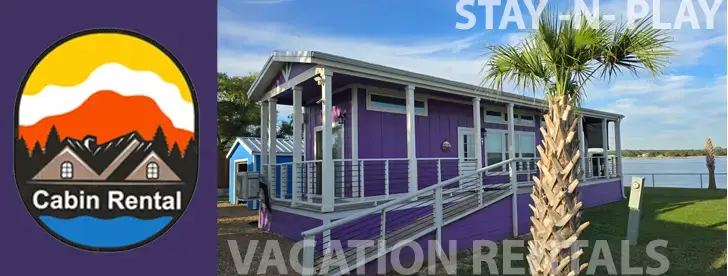
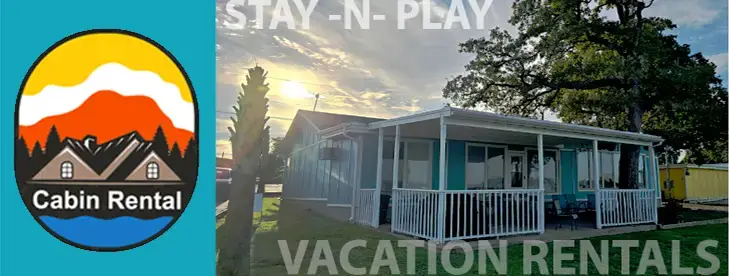
Lakeview Marina / Lakeview RV Park / Lakeview Vacation Cabin Rentals
122 N Locust St
Denton, TX 76201
View Map