



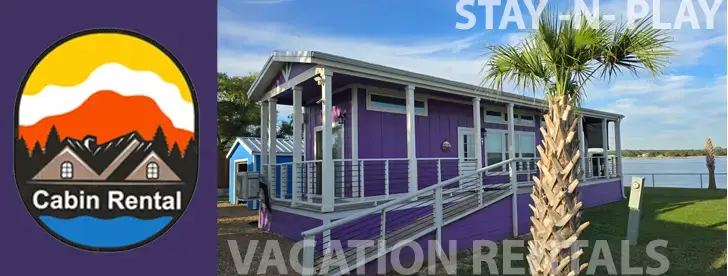



Cabin Rentals
Our cozy Lakeside Cabin Rentals at Lakeview Marina are the perfect way to extend your stay at Eagle Mountain Lake. Whether you're here with a few friends or the whole crew, our cabins offer everything you need for a memorable escape—foosball, shuffleboard, docks, and more! Spend your days on the lake, and in the evenings, stroll over to The Anchor on EML (open seven days a week) or simply enjoy the lakeside sunset. Play a little longer, stay a little longer—your perfect lake getaway is here!
(Click Here) to see more details!

Looking for the ultimate pit stop before hitting Eagle Mountain Lake? Our Bait Shop & Ship Store has everything you need to turn an ordinary lake day into an epic adventure! Need a boat rental? Done. Forgot the fishing gear? We’ve got you covered. Want to chill with an ice-cold beer? It’s waiting! We even have snacks, gas, and all the essentials to keep your day going smoothly. Trust us, you won’t leave empty-handed.
Come on in, grab your gear, and get ready for a day of fun on the lake! (Click Here)

Looking for the perfect lakeside getaway? The Lakeview Marina RV Park has you covered! With spacious sites, easy access to Eagle Mountain Lake, and a boat dock right at your doorstep, it’s the ideal spot for adventure seekers. After a day on the water, unwind with a hot shower or toss a load in our on-site laundry mat. Whether you're here for a weekend or a longer stay, you’ll feel right at home with everything you need for the perfect retreat.
(Click here) to learn more and book your stay!

The Anchor at Lakeview Marina
is the ultimate place to unwind after a fun-filled day on Eagle Mountain Lake. With amazing food, a great atmosphere, and a full-service bar and grill, it’s the perfect spot for friends and family to gather. Enjoy a our lakeside views, or grab a bite for lunch or dinner, all while soaking in the lakeside atmosphere. Whether you're craving a burger or a cold drink, The Anchor on Eagle Mountain Lake has it all. Stop by for great food, fun, and entertainment! Call us at (682) 224-2295 or follow us on facebook at https://www.facebook.com/profile.php?id=61576212793049
(See the MENU for The Anchor EML) - (Click Here)





The relationship between community growth, water access, and recreational boating has always been foundational to areas like Denton, Texas. For boat owners who value convenience and preservation, understanding the history of wet boat storage Denton TX is key to appreciating modern marine facilities.
Historically, waterways near Denton were vital arteries for commerce, not just recreation. Early docking needs focused on quick turnaround times—loading goods or catching fishing hauls. The need for secure access meant that simple dry storage was often insufficient for vessels requiring immediate readiness. As the area developed and recreational boating grew in popularity through the 20th century, so too did the demand for specialized marine services.
Before modern infrastructure, keeping a boat accessible required proximity to deep water—a natural necessity reflected in early docking methods along local waterways. This foundational need established the principle that boats needed more than just space; they needed continuous access to their element: the water itself.
What defines wet boat storage? Unlike dry stacking, wet storage keeps vessels floating in or adjacent to the main body of water. This method has been crucial for maintaining hull integrity and ensuring that when an owner wants to take their vessel out on Lake Lewisville tributaries or local rivers, it is ready with minimal effort.
The evolution from simple docks to complex wet boat storage Denton TX facilities reflects a shift in how people approach boating. Modern owners demand services that minimize downtime and maximize safety—issues addressed directly by professional marine providers who understand the seasonal challenges of North Texas water levels and weather changes.
The primary advantage of wet boat storage lies in preservation. Storing a vessel entirely dry, even when covered, can expose it to rapid temperature fluctuations, potential hull stress points, or require significant hauling labor before every outing. Conversely, professional wet boat storage Denton TX facilities are designed around continuous water access.
These specialized systems allow boats to remain buoyant and stable year-round. This constant immersion helps prevent the drying out of critical components and keeps the vessel in a state that is ready for immediate use when boater season returns, offering unparalleled peace of mind compared to traditional storage methods.
Today's wet boat storage solutions go far beyond simply providing dock space. A comprehensive facility must address safety, accessibility, and specialized maintenance needs specific to the boating community in Denton County. When considering options for keeping your vessel secure, several modern amenities are essential.
Choosing a reputable provider ensures that your investment—your vessel—is handled by experts who understand marine safety regulations and local waterways. The best wet boat storage Denton TX facilities integrate themselves into the broader ecosystem of North Texas boating, often providing ancillary services such as winterization support or routine inspections.
This comprehensive approach means that owners don't just pay for a slip; they invest in year-round care and guaranteed readiness. This level of service is what has made professional wet boat storage an indispensable part of the modern Denton lifestyle.
From early commercial docks to today's sophisticated wet boat storage facilities, the history in Denton TX shows a consistent pattern: boater convenience and vessel preservation are paramount. A professional wet storage solution provides more than just physical shelter; it offers continuity of enjoyment and guaranteed readiness for your next trip on the water.
When comparing options, focus not only on location but also on the depth of service history, adherence to safety standards, and their capacity to keep your boat stable, secure, and ready when you need it most. Proper wet boat storage Denton TX ensures that decades of boating memories can continue uninterrupted.
When preparing your vessel for seasonal downtime or long-term safekeeping, understanding proper wet boat storage options is crucial for maintaining its structural integrity and maximizing its resale value. Choosing where to store your boat requires careful consideration of environmental factors, accessibility, and the specific needs of marine equipment. This comprehensive guide explores everything you need to know about utilizing professional wet boat storage facilities.
Wet boat storage refers to a method where vessels are kept in continuous contact with water—typically within dedicated slips, canals, or specialized marinas that maintain constant waterline levels. Unlike dry stack options, which lift the hull entirely out of the water for physical protection against elements and debris, wet boat facilities keep your boat buoyant and immersed.
This method is popular because it mimics normal operating conditions while providing a secure environment. The facility manages necessary utilities, including fresh water access (for routine rinsing), power hookups, and waste removal. For many boat owners, the primary benefit of choosing wet marine storage lies in maintaining the hull’s natural condition through constant flotation.
Selecting a facility that specializes in wet storage offers several tangible advantages over other types of seasonal keeping:
The decision between wet boat storage and dry stack is one of the most common dilemmas for boater owners. Both methods are legitimate, but they serve different needs.
Ultimately, assessing your specific vessel type (e.g., fiberglass vs. wood), its intended use frequency, and local water conditions will guide you toward the safest boat storage method.
A professional wet boat facility offers more than just a slip; it provides comprehensive management services designed to keep your vessel secure. When evaluating potential providers, look for these key operational elements:
It is important to confirm who is responsible for specific maintenance tasks—whether that falls under the facility's services or if those responsibilities remain entirely with you as the owner.
Regardless of whether wet boat storage proves ideal, preparation by the owner is non-negotiable. Proper seasonal prep mitigates risk and ensures a smoother transition into your stored vessel upon return to water.
Choosing the right method for seasonal keeping is key to preserving your investment. By understanding the operational procedures, benefits, and necessary preparations associated with professional wet boat storage, you can confidently select a solution that ensures your vessel remains pristine, secure, and ready for its next voyage when the season returns.
Denton, Texas, has long been a hub of recreational activity, and watercraft are central to this lifestyle. Understanding the history of wet boat storage is key to appreciating how vital modern marine services are to North Texas's boating community. The evolution of boater needs in Denton reflects not just changes in vessels, but significant growth in local population density and outdoor recreation.
Historically, the waterways surrounding Denton were utilized for basic transportation, fishing, and small-scale commerce. In earlier eras, boat storage was rudimentary; boats might be kept moored directly at private docks or pulled onto natural shorelines when not in use. These early practices served a localized need but lacked scalability and protection from harsh weather changes.
As the Denton area grew into a more substantial residential community throughout the 20th century, the volume of recreational boating increased dramatically. This growth necessitated dedicated solutions beyond simple waterfront docking. The demand for secure, accessible marine storage began to shift away from temporary mooring toward structured, long-term preservation.
The concept of professional wet boat storage emerged as the primary solution to these increasing logistical demands. Unlike dry stacking methods that require hauling boats entirely out of the water, wet boat storage keeps vessels afloat and positioned within protected basins or slips. This method proved crucial for maintaining both structural integrity and ease of access.
Today, specialized wet boat storage in Denton, TX is a sophisticated industry segment supporting thousands of recreational users. The history demonstrates a clear progression: from informal docking to highly engineered marine facilities.
These modern locations are strategically situated near major waterways that serve the booming local population. They offer services far beyond mere keeping afloat; they often include maintenance support, winterization packages tailored for Texas weather variations, and concierge-level management of your vessel's storage needs.
When researching wet boat storage history in Denton, it’s important to understand that modern services build upon decades of boater experience. A quality facility must address several factors:
In summary, the history of wet boat storage in Denton is a story of adaptation. It mirrors the growth of the local community and its passion for water recreation. Modern specialized facilities ensure that boater enjoyment remains uninterrupted by concerns over preservation and security.
Denton, Texas offers a unique blend of historic charm, vibrant college town energy, and natural beauty that makes it an increasingly popular destination. If you are looking to explore what makes Denton so special, this comprehensive guide details everything from its rich history to the modern lifestyle enjoyed by residents.
The appeal of Denton Texas lies in its community feel combined with convenient access to major North Texas attractions. Whether you are a first-time visitor or considering moving to the area, understanding the depth and breadth of what Denton has to offer is key. This city embodies the spirit of growth while retaining deep roots.
To truly appreciate life in Denton TX today, one must understand its historical foundations. Founded originally as a farming community, Denton grew steadily over decades. The historic downtown area showcases beautiful architecture that tells stories of past eras. Exploring the original square and surrounding blocks provides an immersive journey back in time.
The history of Denton Texas is interwoven with regional development patterns, making it a fascinating study for local enthusiasts and tourists alike. This rich cultural background contributes significantly to the unique character found throughout all neighborhoods within Denton.
Denton provides endless opportunities for recreation and entertainment. The city manages to balance quiet residential pockets with bustling activity centers, ensuring there is something for every interest. When planning a day out in Denton Texas, consider these top activities:
Food is a major draw to anyone visiting or living in Denton Texas. The local dining options range from classic Southern comfort food spots to innovative fusion restaurants. From casual coffee shops perfect for studying to fine dining establishments, there is an incredible culinary diversity that reflects the diverse population of Denton.
The commitment to local ingredients and unique recipes makes every meal a genuine experience when exploring the gastronomic offerings within Denton TX.
One defining characteristic of life in Denton Texas is its strong connection to higher education. The presence of multiple universities and colleges means that students, faculty, and staff infuse energy into local businesses and community initiatives. This academic environment contributes significantly to the city's vibrant culture and job market.
The concentration of educational institutions ensures a constant flow of talent and creativity into Denton Texas, fostering an entrepreneurial spirit throughout the entire region.
Denton is comprised of several distinct neighborhoods, each offering a different flavor of Texan living. Whether you are seeking historic charm, modern convenience, or quiet suburban tranquility, there is a neighborhood that feels like home here. These diverse residential areas cater to various lifestyles and preferences.
The community focus remains strong across all parts of Denton Texas. Residents take great pride in their city's growth while maintaining respect for its established character. This balance contributes greatly to the quality of life enjoyed by those who call this area home.
While much local enjoyment can be found within Denton itself, its location makes it an ideal basecamp for exploring wider North Texas attractions. Major highways provide easy access to nearby cities and natural reserves. For visitors interested in a day trip or weekend getaway from the core of Denton TX, options are plentiful.
The ease of travel means that whether you spend your time browsing local antique shops downtown or taking an educational outing to regional sites, getting around remains straightforward for residents and tourists alike.Conclusion: Why Choose Life in Denton Texas
Denton offers a compelling combination of history, culture, modern amenities, and natural beauty. From its storied past reflected in the architecture to its vibrant future fueled by education and local enterprise, every aspect contributes to making it an exceptional place to live or visit. We highly recommend experiencing the unique atmosphere that defines Denton Texas for yourself.
The continuous growth of this community ensures a perpetually exciting time whether you are exploring things to do on a whim or settling down roots in its welcoming embrace.
Understanding wet boat storage history reveals how human ingenuity has adapted over centuries to keep vessels seaworthy, even when they are not actively sailing. For any dedicated boater or marine enthusiast, proper preservation is paramount. While modern options like dry stacking and winterizing kits dominate current discussions, the practice of keeping boats in water—or simulating that environment—has deep historical roots tied directly to maritime necessity.
This long-form guide explores how wet boat storage evolved from simple seasonal mooring practices into a sophisticated industry supporting modern marine vessels. It delves into the techniques and environmental considerations that have defined this crucial aspect of boating preservation over time.
Before specialized commercial facilities existed, early methods for storing boats were dictated by geography and local resources. The earliest forms of wet boat storage simply involved mooring vessels in protected natural harbors or riverways during the off-season months when travel was impossible due to weather or low water levels.
Historically, leaving a wooden hull completely dry for extended periods posed significant risks. Wood requires consistent moisture to prevent rapid drying, warping, and cracking—a process known as desiccation. The constant presence of fresh or salt water provided an immediate barrier against these structural decay issues. Therefore, the simplest form of preservation was immersion.
Early boatwrights understood that keeping a vessel in its natural element minimized stress on materials like wood planking and traditional rigging systems. This foundational knowledge set the stage for centuries of marine equipment preservation based on water contact.
As global trade expanded during the Age of Sail and into subsequent industrial periods, the need to store larger numbers of vessels safely became a commercial enterprise rather than just a local practice. This shift necessitated structured facilities dedicated solely to boat upkeep.
These advancements meant that boat owners could rely on infrastructure built specifically for the longevity and safety of their assets, marking a huge leap from simple seasonal mooring.
Today’s wet boat storage encompasses much more than just tying up a vessel. It involves complex systems designed to manage environmental factors while maintaining access for necessary maintenance and inspection. The evolution has focused on maximizing safety, minimizing biological damage (fouling), and optimizing cost-efficiency.
This careful balance—keeping the boat immersed while ensuring mechanical accessibility—is what defines modern wet storage methods.
Despite the rise of sophisticated hauling-out facilities, wet boat storage maintains a vital niche in the industry. Several factors make it superior or necessary for certain types of vessels and materials:
For boats constructed primarily of traditional wood planking, keeping them submerged is often viewed by experts as the best practice to prevent stress fractures associated with drying out air gaps in the hull structure.
Leaving engines fully operational and cooling systems connected (or at least periodically flushed) within a wet environment minimizes corrosion build-up inside complex mechanical components compared to simply draining them for long periods on land.
Large marinas designed around wet boat storage often provide excellent security, controlled access points, and immediate emergency response capabilities directly from the water's edge.
The journey through the history of wet boat storage is a narrative of adaptation—from simple river moorings to highly engineered industrial complexes. As marine technology continues to advance, so too will preservation methods. Whether it involves managing changing climate patterns or supporting increasingly complex composite materials, understanding this deep history allows owners and industry experts alike to choose the most appropriate method for keeping their cherished vessels safe until they return to open water.
Ultimately, wet boat storage remains a powerful testament to how critical environmental interaction is in preserving sophisticated maritime machinery across generations. It ensures that when it's time to sail again, the journey starts from a foundation of
Understanding the wet boat storage history reveals a fascinating evolution from rudimentary preservation methods to highly sophisticated marine facilities we see today. The need to protect valuable recreational and commercial vessels has driven innovation, making wet slip systems one of the most enduring solutions in maritime infrastructure.
In early days of boating, storage was often rudimentary. Vessels were frequently kept stored on land or tied up along natural docks, exposed to varying degrees of drying and potential deterioration. Early boat preservation relied heavily on basic techniques like tarring hulls and keeping boats in naturally brackish water for extended periods.
The concept of dedicated wet storage was not initially formalized by modern engineering standards. Instead, it evolved organically as boating became more popular during the industrial revolution. The primary concern throughout this early period was simply preventing rapid rot and biological damage from freshwater or saltwater exposure changes.
The biggest challenge faced with wet boat storage history is managing fluctuating water levels and debris buildup. Before controlled facilities, boats were vulnerable to weather extremes, temperature shifts, and the constant wear of tides without dedicated infrastructure supporting proper drainage or continuous submersion.
As boating became a significant recreational activity in the 20th century, so did the demand for professional boat storage. This necessity spurred major advancements in facility design, leading directly to modern wet slip systems. These dedicated facilities provided controlled environments that minimized human intervention while maximizing vessel accessibility.
Modern marine engineering addressed several key issues inherent in early methods:
The development of wet facilities also necessitated clearer definitions compared to alternative methods, such as dry stack or haul-out systems. While these other types offer unique advantages (like hull bottom painting when stored on land), the continuous nature and ease of use provided by true wet boat storage cemented its place in the industry.
The superiority of modern wet facilities lies in their ability to provide a stable, predictable environment that mimics natural conditions while offering professional protection. This balance is what defined the progress throughout the entire wet boat storage history narrative.
Today's advancements go beyond simple slips. Modern wet facilities incorporate sophisticated systems for waste removal, power hookups, security monitoring, and environmental control. These improvements demonstrate how far the industry has come since early attempts at vessel preservation on basic docks.
For boat owners today, choosing a proper storage solution requires understanding this history. Whether you are storing a small fishing skiff or a large luxury yacht, modern wet slip systems provide optimized safety and maintenance access—a direct result of decades of cumulative knowledge building the wet boat storage industry.
In summary, the evolution from natural mooring to engineered marine slips represents significant human ingenuity dedicated solely to preserving vessels. The ongoing advancements in materials science and facility design ensure that wet slip systems remain a premier method for long-term marine vessel preservation.
Exploring the rich Denton Texas history reveals a tapestry woven from pioneering spirit, agricultural resilience, and rapid modern development. From its earliest days as an isolated frontier settlement to becoming a bustling educational hub in North Texas, understanding the history of Denton TX provides deep insight into how American expansion shaped this vital part of the state. This comprehensive look at Denton’s past highlights key moments that cemented its place in the regional narrative.
While written records detailing Denton Texas history begin with European settlers, the land itself has a far deeper story. Indigenous populations were integral to this region long before permanent settlements took hold. The initial wave of American settlement was driven by westward expansion during the early nineteenth century. Life for these pioneers was challenging, marked by self-reliance and adaptation.
The development along waterways, particularly near what would become major thoroughfares today, dictated early settlement patterns in Denton County. Early settlers were primarily engaged in farming—cultivating crops that sustained both their families and the burgeoning local economy. The establishment of basic infrastructure was paramount to survival, laying a foundation for future commercial growth.
As transportation improved throughout the mid-19th century, Denton began its transformation from a rustic outpost into a significant regional commerce center. Agriculture remained the backbone of Denton TX during this period, with cattle ranching and farming generating wealth that attracted merchants, professionals, and workers.
Nothing spurred economic change in Denton like the arrival of railroads. These iron tracks connected Denton to larger Texas markets, allowing local goods—such as cotton and livestock—to reach buyers far beyond North Texas. This infusion of commerce solidified Denton County’s role within state trade networks.
The architectural styles visible today in parts of the city often reflect this boom period, showcasing Victorian influences mixed with practical frontier building techniques necessary for a growing population base that needed reliable services and goods.
No examination of Denton Texas history is complete without acknowledging the profound impact of the American Civil War. Like much of Texas, Denton was affected by the conflict’s political turmoil and economic disruption. While some areas saw direct fighting or occupation, others endured the strain of commodity shortages and labor changes.
The post-war period demanded immense resilience from its residents. The focus shifted heavily toward rebuilding local infrastructure and reestablishing stable agricultural practices. This difficult time tested the community’s resolve, ultimately strengthening the social fabric that would support future growth in North Texas development.
The late twentieth century marked a significant pivot point for Denton. The establishment of major educational institutions became central to its identity and economic vitality. This shift transitioned Denton TX from being purely an agricultural center into one defined by intellectual capital.
The connection between Denton and higher education is undeniable in understanding modern Denton history. These academic anchors attracted a diverse population—students, faculty, researchers, and support staff—creating robust surrounding industries that diversified the local economy beyond traditional farming methods. This influx of talent fueled rapid urban expansion.
Today's Denton Texas history is characterized by a unique blend: honoring its deep frontier roots while embracing cutting-edge modern amenities and academic pursuits. The community retains elements that evoke the pioneer lifestyle, yet simultaneously functions as a sophisticated hub for technology and culture.
The journey through Denton’s history is one of continuous reinvention. From small pioneer encampments struggling against frontier hardships to a vibrant, educational powerhouse today, the narrative demonstrates remarkable adaptability. Whether examining the early days of settlement or the modern economic landscape, understanding this deep and layered history of Denton TX provides context for its enduring appeal as a place where tradition meets progress.
The spirit that defined life in historic Denton County—the grit, community focus, and commitment to growth—remains palpable throughout the city’s development today. The ongoing story of Denton Texas continues to be one of success rooted deeply in history.
Exploring Denton, Texas history is diving into a rich tapestry woven from Indigenous life, pioneering spirit, and modern academic growth. The story of this vibrant North Texas community spans centuries, marked by periods of quiet settlement followed by explosive commercial expansion. To understand contemporary Denton, one must appreciate the depth and complexity contained within its historical narrative.
Long before European settlers established a permanent presence, the land that would become Denton was home to various Native American tribes. These groups utilized the resources of the area for sustenance and cultural practices. Understanding these early inhabitants provides crucial context when studying Denton Texas history, showing that human life thrived here long before recorded colonial settlement.
Formal European-American settlement began in earnest during the mid-19th century. The founding of Denton as a community was driven by agricultural opportunity and strategic location within North Texas. Early settlers faced challenges common to frontier life, but their determination laid the groundwork for what is now one of the region's most established towns.
The early Denton history chronicles the arrival of these pioneers who were instrumental in transforming raw land into a thriving agricultural center and eventually, a major commercial hub. These initial efforts defined much of Denton’s foundational character.
A major turning point in Denton, Texas history occurred with improvements in transportation networks. The arrival of railroads dramatically changed Denton's trajectory. Railroad lines connected the burgeoning community to national markets, fostering rapid growth that went far beyond simple local trade.
As commerce flourished, so did the population density and architectural styles within the town limits. This era cemented Denton’s role as a significant regional center in North Texas, moving it from an agricultural outpost toward a diverse urban area ready for the next wave of development.
Perhaps the most defining chapter in Denton history is its evolution into a major educational and cultural destination. The establishment and expansion of local colleges transformed the community's identity, creating an intellectual energy that continues to influence daily life today.
This academic growth has been crucial for modern Denton Texas history. It drew students, faculty, researchers, and support services from across the country, diversifying its economy beyond traditional industries. The blending of established commercial traditions with a vibrant student culture is unique to this area’s historical makeup.
Today, Denton Texas history reveals itself as a perfect blend of preservation and innovation. While the echoes of early settlers can still be found in local architecture and historic districts, the forward momentum provided by its academic institutions keeps the community vibrant. The resilience shown throughout Denton’s past—from frontier struggles to commercial booms—is what gives it such deep roots.
To fully appreciate modern life in Denton, one must continually reference this rich historical background, recognizing how every facet of contemporary development is built upon generations of pioneering effort and commitment to community growth within the scope of its amazing Denton Texas history.
Denton, Texas has long been a vibrant hub for recreation, and nowhere is that more evident than along its waterways. For decades, as boating became increasingly popular throughout North Texas, the need for reliable marine services grew exponentially. Understanding the history of wet boat storage in Denton TX means understanding the evolution of local boater needs—from simple waterfront docking to sophisticated preservation facilities.
The early days of boating around Denton were dictated by natural resources, primarily rivers and reservoirs. Initially, storing a vessel meant tying it up near accessible shorelines or docks. These rudimentary setups served the immediate need for keeping boats dry during off-seasons was not always practical or ideal.
Early storage methods often involved seasonal agreements at waterfront properties. However, as Denton grew into a major metropolitan area with an expanding recreational population—including anglers and pleasure boaters alike—the demand for professional boat preservation skyrocketed. The inherent challenges of traditional dry stacking (lifting boats out completely) became apparent: the risk of paint degradation from temperature shifts, corrosion on running gear, and general exposure to harsh elements.
Over time, industry standards began shifting away from purely terrestrial storage. The realization that keeping vessels submerged or floating in controlled water environments offered superior preservation led directly to the development of modern wet boat storage Denton TX facilities. This transition was revolutionary for local enthusiasts.
Today’s wet boat storage options reflect decades of accumulated expertise regarding local waterways and boater requirements. A modern facility serving the Denton area must combine historical knowledge with cutting-edge marine technology to provide optimal service.
A comprehensive wet boat storage solution goes beyond simply floating a vessel in water; it encompasses:
As a boater navigating options, understanding what makes professional wet boat storage valuable is crucial. The history of the industry has shown that convenience and quality protection go hand-in-hand.
In summary, the journey of boat ownership in Denton, Texas, mirrors a progression from simple waterfront docking to highly specialized wet boat storage services. These modern facilities are not just places to park boats; they are vital pieces of infrastructure that ensure marine heritage and recreational activities can continue safely for generations of local enthusiasts.
For boat owners preparing for seasonal downtime or seeking convenient access to their vessel year-round, understanding wet boat storage options is crucial. Choosing the right type of boat maintenance and long-term keeping solution can significantly impact your investment's longevity and ease of use when you return to the water. Unlike dry stacking methods, wet storage keeps your boat in a natural aquatic environment, offering distinct advantages for certain types of vessels.
This comprehensive guide explores what wet boat storage entails, its benefits compared to other options, and key considerations for selecting the perfect mooring location that ensures maximum hull preservation while you are away boating.
Simply put, wet boat storage means keeping your vessel afloat in water—whether it is a marina basin, slip, or designated docking area. The primary difference between wet and dry storage lies in the continuous immersion of the hull and running gear. In this setup, boats are secured to slips that remain filled with navigable water.
This method requires specialized facilities designed for safe mooring, offering constant access to fresh flow-through or brackish water depending on your location’s natural environment. It is a highly popular option because it minimizes the need to haul out and store the boat completely dry during periods of inactivity.
Many boater owners initially question whether keeping their vessel in constant contact with water can be beneficial or detrimental. However, when managed by professional facilities, wet boat storage provides several compelling advantages:
While wet boat storage is convenient, the quality of the location greatly influences your long-term ownership experience. Before committing to any facility, evaluate these critical factors:
Inquire about the water source. Is it clean? Does the marina manage runoff effectively? Poorly managed marinas can lead to excessive accumulation of debris or pollutants that could negatively affect your vessel's paintwork and mechanical components.
A secure facility is paramount for any stored asset. Look for comprehensive security features, including gated access, surveillance systems, and controlled entry points. Knowing your boat is protected from unauthorized activity provides peace of mind while you are away boating.
Does the marina offer basic services such as waste removal, minor electrical hookups for winterization pumps, or immediate access to necessary tools? Proximity to maintenance resources makes managing your boat easier throughout the storage period.
Even though wet boat storage is less physically demanding than dry stacking, proper preparation remains absolutely mandatory. Neglecting basic winterization steps can lead to costly damage when you return to boater life.
For boat owners who prioritize convenience, minimal handling stress, and immediate launch access upon returning to the season, wet boat storage is often the superior choice. It offers a seamless transition from downtime back into active boating life.
However, remember that selecting a reputable marina with high standards for security and water quality will maximize the benefits of your chosen boat storage solutions, ensuring your vessel remains in optimal condition year after year.


