





Cabin Rentals
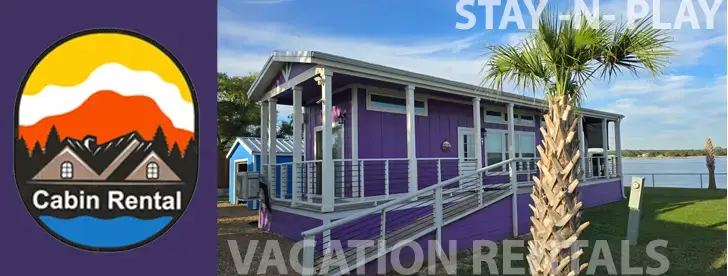
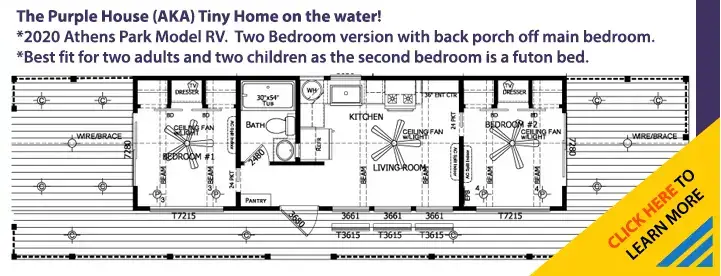
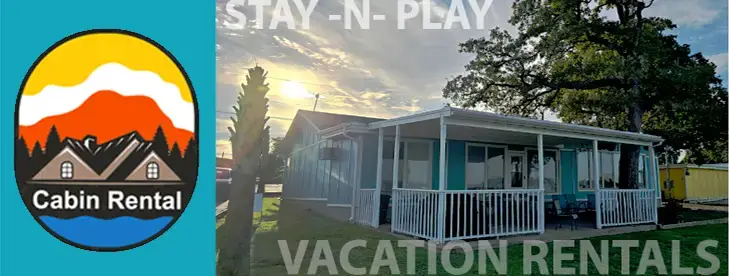
Our cozy Lakeside Cabin Rentals at Lakeview Marina are the perfect way to extend your stay at Eagle Mountain Lake. Whether you're here with a few friends or the whole crew, our cabins offer everything you need for a memorable escape—foosball, shuffleboard, docks, and more! Spend your days on the lake, and in the evenings, stroll over to The Anchor on EML (open seven days a week) or simply enjoy the lakeside sunset. Play a little longer, stay a little longer—your perfect lake getaway is here!
(Click Here) to see more details!

Looking for the ultimate pit stop before hitting Eagle Mountain Lake? Our Bait Shop & Ship Store has everything you need to turn an ordinary lake day into an epic adventure! Need a boat rental? Done. Forgot the fishing gear? We’ve got you covered. Want to chill with an ice-cold beer? It’s waiting! We even have snacks, gas, and all the essentials to keep your day going smoothly. Trust us, you won’t leave empty-handed.
Come on in, grab your gear, and get ready for a day of fun on the lake! (Click Here)

Looking for the perfect lakeside getaway? The Lakeview Marina RV Park has you covered! With spacious sites, easy access to Eagle Mountain Lake, and a boat dock right at your doorstep, it’s the ideal spot for adventure seekers. After a day on the water, unwind with a hot shower or toss a load in our on-site laundry mat. Whether you're here for a weekend or a longer stay, you’ll feel right at home with everything you need for the perfect retreat.
(Click here) to learn more and book your stay!

The Anchor at Lakeview Marina
is the ultimate place to unwind after a fun-filled day on Eagle Mountain Lake. With amazing food, a great atmosphere, and a full-service bar and grill, it’s the perfect spot for friends and family to gather. Enjoy a our lakeside views, or grab a bite for lunch or dinner, all while soaking in the lakeside atmosphere. Whether you're craving a burger or a cold drink, The Anchor on Eagle Mountain Lake has it all. Stop by for great food, fun, and entertainment! Call us at (682) 224-2295 or follow us on facebook at https://www.facebook.com/profile.php?id=61576212793049
(See the MENU for The Anchor EML) - (Click Here)




The story of recreational vehicle parks in Arlington, Texas, is deeply intertwined with the rapid growth and evolution of the entire Dallas–Fort Worth metroplex. It is a history of adaptation, technological advancement, and America’s enduring love for outdoor living. Understanding the RV park history in Arlington Texas reveals much about how American communities have transitioned from simple roadside stops to sophisticated residential camping destinations.
To grasp the concept of modern RV parks, one must first look back at early settlement patterns around what is now Arlington. Historically, before dedicated zoning for recreational vehicle use existed, outdoor lodging was rudimentary. Early travelers utilized natural stopping points—riverbanks or open fields near emerging railway lines—for temporary encampments. These initial stops were far from the organized complexes we see today.
The first iterations of what would become formal camping areas often popped up opportunistically in agricultural lands adjacent to growing towns. The early 20th century saw an increase in automobile use, which naturally brought more people interested in self-contained outdoor travel. These pioneering sites were basic: gravel pads and minimal utility access. However, the lack of consistent infrastructure meant that these locations lacked permanence or scalability.
A pivotal turning point occurred following World War II. The widespread availability of affordable automobiles, coupled with increased leisure time for American families, fueled a massive demand for organized outdoor recreational space. This era marked the true beginning of formalized RV park development in Texas.
As Arlington grew into a significant metropolitan area, property owners and entrepreneurial developers recognized the untapped potential of zoning land specifically for mobile recreation units. These early commercial RV parks were revolutionary because they introduced managed infrastructure—electric hookups, water sources, waste removal facilities—to temporary living arrangements. This level of planning elevated camping from mere necessity to organized leisure.
The success and longevity of the recreational vehicle park Dallas area depend heavily on municipal cooperation regarding utilities and zoning laws. Developers had to navigate complex land use regulations specific to rapidly expanding cities like Arlington, Texas. The ability for these parks to reliably connect to city water mains and electrical grids was crucial; it transformed a temporary campsite into quasi-permanent residential lodging.
The growth of the RV park history in Arlington TX thus mirrors the maturation of local municipal services themselves. As surrounding neighborhoods developed, the demand for dedicated outdoor recreation facilities—places where people could escape urban density without leaving established infrastructure—only increased.
The modern RV park is vastly different from its predecessors. Today’s Arlington Texas parks are not just rows of pads; they are carefully planned lifestyle communities. This evolution involves far more than simply providing parking spots for large vehicles.
This transformation highlights that RV parks are integral parts of Arlington’s recreational landscape, serving as vital hubs for outdoor recreation while also acting as unique residential zones.
Economically speaking, the sustained presence and growth of these facilities support numerous local service industries. From utility providers to equipment suppliers and seasonal retail businesses, the entire ecosystem relies on the continuous demand created by mobile camping communities in Arlington.
Culturally, they represent a continuation of American self-reliance combined with modern convenience. They offer an accessible alternative for families who may live in expensive urban housing but still desire periodic connection to nature and open space that large tracts of land within Dallas or the surrounding areas might lack.
The RV park history in Arlington Texas is a story of continuous growth, adaptation, and technological integration. What started as simple dirt patches for temporary overnight stays has matured into sophisticated recreational destinations that support thousands of visitors annually. As the region continues to expand, these parks will continue to play a critical role, balancing modern urban development with the enduring human need for open sky, community connection, and the freedom symbolized by the motorhome.
When exploring or researching recreational vehicle parks in Arlington Texas today, remember that you are walking on ground built over decades of pioneering camping efforts, commercial real estate planning, and a persistent Texan love for adventure. The next chapter of this history will undoubtedly continue to adapt with sustainability concerns and evolving travel trends.
For those who love the freedom of the open road but appreciate modern comforts, RV parks offer the perfect blend of nature immersion and convenience. If you are planning a trip using your recreational vehicle (RV), understanding how to choose the right camping location is critical for a stress-free adventure. This comprehensive guide will help you navigate everything about choosing an excellent RV park experience, covering amenities, essential features, and tips for making memories in any recreational vehicle parking spot.
An RV park is more than just a collection of spots; it is a managed community designed specifically to accommodate motorhomes. Unlike traditional dispersed camping areas, these parks provide infrastructure and services that make long-term or short-term stays comfortable for all types of travelers. When people search for "camping in an RV park," they are typically looking for reliable utilities and established facilities.
The core appeal of the RV park lies in its organization. Spots within a well-maintained park usually feature designated leveling areas, clear boundaries, and proximity to essential services like dump stations and laundry rooms. Choosing an appropriate location is key, whether you are on a weekend getaway or embarking on full-time RV living.
Selecting the perfect RV park requires evaluating several crucial elements beyond just proximity to scenic areas. Focus heavily on infrastructure and amenities when comparing different camping destinations. These features ensure that your vehicle is properly supported, regardless of its size or age.
The most important consideration for any recreational vehicle parking spot is the utility hookup availability. Do not assume all spots offer full services; always verify these details:
Ensure the spot size is appropriate for your specific RV model. A large motorhome requires more space than a small trailer or camper van. Furthermore, look specifically for sites that are reported as being level; leveling jacks make setup much easier when the ground surface is uneven.
A major advantage of staying in an established RV park versus wild camping is access to shared amenities. These facilities greatly enhance your comfort and convenience during your stay, allowing you to relax after a day of exploring local sights.
These services are often lifesavers when camping away from town:
To maximize your enjoyment while staying in the comfort of an established RV park, preparation is key. Adopting these habits will ensure minimal stress and maximum relaxation.
When settling into your recreational vehicle parking spot, take time to organize utilities first—connect water and electric before setting up furniture or cooking. This systematic approach prevents forgotten steps that can delay relaxation.
Ultimately, choosing an established RV park offers peace of mind. You gain access to reliable infrastructure (water, power, waste disposal) coupled with community amenities and safety measures. Whether you plan on a quick weekend getaway or months dedicated to full-time travel using your RV, the managed environment provided by quality RV parks makes them the superior choice for comfortable camping.
By understanding what
Understanding the RV Park history in Arlington, Texas reveals a story deeply intertwined with American mobility, post-war economic booms, and shifting leisure habits. As an area experiencing rapid growth alongside Dallas, Arlington’s land use has continually adapted to accommodate recreational needs. The evolution from simple roadside camping areas to highly managed modern RV parks reflects the changing culture of outdoor living.
Before formalized recreational vehicle parks existed as we know them today, temporary stopping points along major thoroughfares were common. In the early decades of Arlington’s development, camping was often rudimentary—spontaneous stops near natural landmarks or established rail lines. The initial need for organized group lodging and parking became apparent with increased automobile ownership following World War II.
The foundational concept that would become modern RV parks involved providing safe utilities (water, electricity) in designated areas outside dense urban cores. These early sites served as essential rest stops rather than destinations themselves, marking the beginning of planned camping infrastructure near what is now downtown Arlington and surrounding industrial zones.
The mid-20th century marked a pivotal period for RV Park history in Arlington. The rise of affordable automobiles, coupled with the development of recreational vehicles (RVs), created an entirely new market segment. Families began taking longer road trips, transforming camping from seasonal novelty into a major form of vacation travel.
Arlington’s strategic location—offering easy access to Dallas-Fort Worth International Airport and key interstate connectors like I-35—made it an ideal hub for these burgeoning parks. Developers realized that the demand was not just for raw land, but for carefully planned communities offering amenities alongside parking spots.
The transition from simple camping lots to professional mobile home park and full-service recreational facilities required significant planning in Arlington. Key developments included:
Today’s RV Park history in Arlington is characterized by sophistication and specialization. Modern facilities cater to diverse needs—from the transient traveler needing a simple overnight stay to extended-term residents seeking community living. The parks serve as vital components of local tourism, supporting ancillary businesses like outfitters, restaurants, and seasonal attractions.
The ongoing evolution shows that while initial camping history was about proximity and function, today’s focus is on curated experiences. Whether a visitor uses the park for weekend getaway or long-term residency, the parks represent structured community living centered around outdoor recreation within Arlington, Texas.
The continued success of RV Parks in the Dallas-Fort Worth area, particularly within Arlington, solidifies their role not just as temporary accommodations but as integral parts of the region's recreational and residential landscape.
Arlington, Texas, is a vibrant and rapidly growing community that plays an integral role within the sprawling Dallas-Fort Worth Metroplex area. For those seeking a perfect blend of urban amenities, family friendliness, and easy access to regional attractions, understanding what makes Arlington Texas such a desirable location is key. Whether you are planning a visit or considering making the move, this comprehensive guide dives deep into the history, culture, entertainment options, and lifestyle that define life in Arlington.
The story of Arlington Texas itself is one steeped in local significance. Initially settling as a military outpost area, its growth mirrored the expansion needs of the entire region. Over decades, what was once a smaller town has blossomed into a major economic hub while retaining much of its unique community character. Exploring the history provides valuable context for understanding why Arlington Texas appeals to such diverse populations.
The city continually balances modern development with historical preservation. This blend ensures that visitors can enjoy contemporary shopping centers and new residential developments without losing touch with the area’s roots. The local culture of Arlington is defined by its resilience, welcoming spirit, and commitment to growth across multiple sectors—from technology to entertainment.
One of the most frequently searched topics regarding Arlington Texas is "things to do." The city boasts a diverse portfolio of attractions that cater to every interest, from major sporting events to quiet family outings. When planning your trip or weekend adventure in this area, these main points should be on your itinerary.
For families looking for quality time in Arlington Texas, several wonderful parks and cultural centers await. The commitment of Arlington to green spaces ensures that outdoor recreation is always accessible.
Choosing where to live is a major decision, and many people are researching the benefits of relocating to or spending extended time in Arlington, Texas. The lifestyle offered here strikes an excellent balance between suburban comfort and metropolitan convenience.
The commitment to local schools remains high, contributing to family-friendly neighborhoods throughout the city limits. Residents benefit from strong community ties and a supportive atmosphere that makes Arlington Texas feel like home.
Exploring the culinary scene is another major draw of this region. From upscale dining experiences downtown to casual, local eateries in residential areas, there is something for every palate. The diverse population means a reflection of global cuisine can be found on nearly every corner when exploring Arlington TX.
While Arlington provides incredible value as an independent city center, its proximity to Dallas makes it feel perfectly situated within one of America’s largest metro areas. This connectivity is a huge benefit for residents who want easy access to major corporate centers without living directly downtown.
When considering Arlington Texas attractions or where to set up roots, remember that the city benefits immensely from its infrastructure and excellent transportation links into Dallas proper, Fort Worth, and beyond. This makes daily life incredibly convenient for working professionals and tourists alike.
Arlington Texas offers an unparalleled blend of modern convenience, deep historical roots, incredible entertainment options, and genuine community warmth. Whether your goal is to find the best family activities in Arlington TX or simply explore what makes this vibrant part of Dallas-Fort Worth so appealing, you will discover a city that truly has it all.
We hope this detailed look at everything from history to modern attractions helps solidify why Arlington remains one of Texas's most sought-after and enjoyable places to visit and live!
Understanding RV Park history reveals a fascinating intersection between automotive innovation, changing leisure habits, and American infrastructure development. The modern concept of the organized recreational vehicle (RV) park is not an overnight invention; rather, it is the culmination of centuries of human desire for outdoor connection combined with revolutionary advancements in personal transportation.
This detailed exploration traces how temporary roadside camping evolved into the sophisticated destination we recognize today—a dedicated motorhome retreat. By examining recreational vehicle camping evolution, readers can appreciate the sheer scope of growth that defined modern travel.
Long before gas-powered RVs existed, humans were skilled campers. Historically, "camping" simply meant temporary dwelling away from permanent settlements. These early practices established a pattern—seeking shelter near natural resources or desirable views. However, these historical sites lacked the structured amenities we associate with today’s dedicated RV park history.
The first organized camping efforts were often tied to military maneuvers or seasonal resource gathering. The concept of reserving land for temporary habitation was established by early national parks and wilderness areas, laying the foundational blueprint that future commercial campgrounds would adopt when motorized travel became feasible.
With the advent of reliable automobiles in the late 19th century, camping transitioned from a purely foot-based activity to one supported by mechanical means. Initially, travelers simply found open fields or designated "stopping points" near towns.
These early roadside stops were rudimentary. They offered basic safety and proximity but lacked standardized infrastructure for vehicles of any size. The need arose quickly for dedicated spaces that could accommodate the growing number of automobiles—and soon, specialized camping equipment attached to them.
The true acceleration in RV Park history occurred during and after World War II. The post-war economic boom led to increased disposable income and a cultural emphasis on leisure travel. Simultaneously, automotive design improved dramatically.
As motorhomes became more standardized and complex, general public fields were inadequate. Developers began creating dedicated parcels of land specifically designed for temporary habitation—the modern campground model emerged here. These sites offered essential utilities like fresh water hookups (a critical advancement) and waste disposal facilities.
This period marked the formalization of organized camping. Early parks focused on providing safety, access to basic amenities (showers, restrooms), and a structured environment far removed from wilder wilderness areas—making them accessible for families traveling in motorhomes.
From the 1960s through the 1980s represented the "Golden Age" of American camping. The proliferation of larger, more comfortable RV models necessitated even grander parks. Developers focused intensely on maximizing guest experience while standardizing services.
Today's RV park landscape continues its evolution by embracing technology and catering to hyper-specific traveler demographics. We see a movement away from purely rustic experiences toward "glamping" (glamorous camping) or conversely, highly authentic wilderness immersion.
Modern motorhome travel history is deeply intertwined with technology. Park management now relies heavily on online booking platforms and digital reservation systems. Guests expect high-speed internet access—a necessity that was unimaginable in the earliest campgrounds.
Furthermore, parks are becoming specialized: some cater exclusively to luxury Airstream owners; others focus solely on family activities near major theme park routes. This specialization shows how far camping trends have moved from simple stopping points to curated vacation experiences.
The journey through RV Park history is a narrative mirroring American ingenuity itself—the transition from basic necessity camping to highly sophisticated, amenity-rich leisure destinations. From rudimentary roadside stops near early automobiles to today’s fully equipped resorts with fiber optic internet and luxury amenities, these parks have successfully adapted while maintaining their core appeal: the freedom of motorized travel combined with the grounding experience of nature.
The dedication to improving infrastructure, safety, and guest comfort has cemented the RV park as a vital component of modern American tourism. It remains a dynamic industry that continues to adapt alongside improvements in recreational vehicle design and traveler expectations.
Understanding RV park history reveals a fascinating journey paralleling advancements in personal transportation and leisure time. The modern concept of an organized recreational vehicle (RV) park is not a sudden invention but rather the evolution of traditional camping sites, adapting to increasingly sophisticated mobile living.
Before dedicated RV parks existed, outdoor recreation centered on primitive campsites and established state or national forest campgrounds. Early travelers utilized wagons and tents, making simple ground-level spots the norm. These initial camping areas required minimal infrastructure, focusing primarily on natural amenities.
A major turning point was the widespread adoption of the automobile in the early 20th century. As cars became accessible to a broader segment of the population, they allowed people to travel further and more frequently than ever before. This necessity for vehicle-friendly camping paved the way for structured developments.
The development of specialized recreational vehicles significantly shaped RV park history. Early motorhomes were often conversions from commercial buses or trucks, designed primarily for temporary stays rather than long-term residency. The ability to travel in a comfortable, self-contained unit transformed camping from rugged wilderness experiences into accessible leisure destinations.
It is important to distinguish between traditional camping sites and mobile home parks, as they often overlap in the industry's history. Many early RV parks were adjacent to or evolved into areas that housed permanent dwelling units (mobile homes). These developments catered not just to tourists but also to people seeking affordable semi-permanent residences.
The blending of temporary vacation camping and long-term residential living created a complex, yet highly profitable, niche within the outdoor recreation market. This dual function allowed RV parks to maintain year-round viability beyond peak tourist seasons.
Today’s modern recreational vehicle park facilities are vastly different from their early counterparts. Advances in technology, sanitation standards, and customer expectation have driven constant improvement in the industry. Keywords related to these improvements include utility hookups, internet access, laundry services, and enhanced recreational activities.
The continuous demand for accessible outdoor travel ensures that RV park development remains a robust sector of leisure tourism. From simple tent camping grounds to expansive luxury parks offering resort amenities, the history reflects humanity's enduring desire to combine mobility with comfort in nature.
Looking forward, trends impacting modern RV parks include sustainability measures (like water conservation and solar power integration), pet-friendly accommodations, and enhanced digital booking experiences. The focus continues to be on providing a seamless blend of rugged outdoor enjoyment with high levels of convenience.
Tents, basic services, reliance on primitive camping infrastructure.
Introduction of specialized motorhomes and reliable utility hookups. Formalization of the RV park concept.
Resort amenities, luxury options, focus on sustainability, and year-round appeal in comprehensive camping ground development.
Exploring the rich Arlington Texas history reveals a story of transformation—from small agricultural settlements to its current status as a major metropolitan hub within the Dallas-Fort Worth area. Understanding the depth of Arlington's past is key to appreciating how it became one of the most dynamic communities in North Texas.
The story of Arlington begins long before its modern identity took shape. The land that would become Arlington was part of a vast frontier region, initially utilized by Native American tribes for sustenance and trade routes. As European settlement increased in the early to mid-19th century, Anglo settlers began arriving, drawn by fertile lands and strategic location.
Early development focused on agriculture. Settlers established farms that formed the backbone of local life. These rural roots provided a steady rhythm to the area's initial growth, defining much of the early history of Arlington as an agricultural center serving surrounding communities in Tarrant County and beyond. The challenges faced by these pioneers—including unpredictable weather patterns and reliance on subsistence farming—shaped their resilience.
A major turning point in the Arlington Texas history occurred with the arrival of railroad lines. Railroads fundamentally changed how communities grew, connecting isolated settlements to larger markets. This infrastructure boom fueled rapid population growth that transcended simple agricultural needs.
As Dallas and Fort Worth continued their own expansion into neighboring territories, Arlington found itself positioned perfectly at a crucial crossroads. The need for transportation hubs, warehousing, and supporting services accelerated urbanization dramatically. By the late 19th century, commercial activity began to eclipse purely agrarian pursuits, setting the stage for massive change.
The early 20th century ushered in a period of intense growth. The establishment of key institutions and residential developments solidified Arlington's role as an independent community. While it remained closely tied to its larger neighbors, local governance began asserting itself more strongly.
The mid-20th century marked the true emergence of modern Arlington. Following World War II, suburbanization accelerated across North Texas. The influx of people seeking affordable housing combined with growing industrial opportunities cemented Arlington’s status as a desirable place to live and work. This era saw significant investment in roads, utilities, and commercial real estate.
The growth was not merely residential; it involved attracting major corporations and educational institutions that needed the strategic location within the burgeoning DFW corridor. These developments diversified the local economy far beyond its original farming base, creating a complex urban tapestry unique to Arlington Texas history.
Several key factors contribute significantly to understanding the comprehensive scope of this area’s development:
In summary, Arlington's history is a masterful study in adaptation and growth. It transitioned seamlessly from an agrarian outpost to a vital railroad stop, then into a sprawling, modern metropolitan center. The narrative of its development—from the early settlers tilling the land to today’s diverse urban landscape—is one that continues to write itself with every passing decade.
Studying Arlington Texas history provides invaluable insight into how American frontier towns leverage transportation and population needs to achieve sustained, large-scale economic success. The legacy of its past informs the dynamic future of this rapidly evolving North Texas community.
The history of Arlington, Texas, is a rich narrative of transformation, reflecting the broader growth patterns of the Dallas–Fort Worth metroplex region. Understanding this detailed Arlington Texas past requires examining its evolution from sparsely populated agricultural land into one of the most dynamic and significant metropolitan centers in the state.
Before it was known as a major urban hub, the area that would become Arlington Texas was characterized by ranching and small farming communities. Early settlers were drawn to the fertile lands of north central Texas. The establishment of local infrastructure gradually began to define the region's character. These initial years laid the groundwork for future growth, establishing a pattern of decentralized settlement typical of frontier expansion in Texas history.
The name itself has historical roots tied to early land claims and development efforts around Dallas County lines. The gradual increase in population density necessitated improved transportation routes, which became critical arteries for both commerce and personal movement through the area that is now modern-day Arlington.
The mid-twentieth century marked a period of intense development for Arlington Texas. This era saw significant shifts in population demographics and economic drivers, moving beyond purely agricultural economies. A key factor accelerating the growth was the establishment and expansion of major military installations nearby. The presence of large federal facilities brought an influx of people and substantial investment into local services and housing.
The need for robust infrastructure to support this burgeoning community spurred significant municipal improvements in Arlington. Residential areas expanded rapidly, alongside commercial districts catering to the growing population base. This period cemented Arlington's role as a crucial satellite city within the larger Dallas metropolitan area framework.
The late twentieth and early twenty-first centuries propelled Arlington Texas into its current powerhouse status. The economic diversification of the region became highly noticeable, drawing major corporate headquarters and retail centers to the community. This period saw Arlington solidify itself as a key destination for business investment.
Furthermore, significant urban planning initiatives shaped modern Arlington history. These efforts focused on managing rapid growth while preserving aspects of its unique character. The development along major thoroughfares transformed the cityscape dramatically, creating walkable commercial zones and sprawling industrial parks that support thousands of jobs. This commitment to continuous improvement is central to understanding contemporary Arlington Texas.
Throughout its diverse history, a strong sense of community has defined life in Arlington Texas. The cultural landscape reflects the confluence of various groups who have settled and contributed to its growth over generations. From early pioneers passing through on cattle drives to modern professionals working within cutting-edge industries, the people are at the core of the city's story.
Exploring Arlington Texas history reveals a continuous narrative of reinvention—a constant balancing act between accommodating rapid expansion and maintaining local identity. The collective memory and continued development ensure that Arlington remains one of North Texas’ most compelling places to live, work, and experience the fullness of modern American urban life.
Arlington, Texas, has always been a crossroads—a place where history converges with modern mobility. For those interested in outdoor recreation or understanding local development, delving into the RV park history is fascinating. The evolution of camping and mobile living within the greater Dallas-Fort Worth area mirrors the growth of American culture itself: first by necessity, then by leisure.
Before dedicated commercial sites existed, early recreational use in what would become Arlington was tied to natural resources and military movements. The concept of temporary dwelling—the precursor to today's modern RV parks—was always present near the Brazos River and other local waterways. Initially, these areas were informal camping grounds for pioneers or travelers passing through Northwest Texas.
As rail lines expanded in the late 19th century, temporary stopping points became crucial. These early stops set the precedent: a designated area where people could safely rest their vehicles overnight. This initial period laid the groundwork for formalized recreational zoning that characterizes today's popular Arlington RV parks.
The true transformation of camping in Arlington coincided with the post-World War II economic boom. The automobile became ubiquitous, leading to a massive increase in personal travel. Crucially, this era saw the rise of recreational vehicles (RVs). Suddenly, traveling wasn't just about reaching a destination; it was part of the experience.
The demand for safe, serviced camping areas skyrocketed. This necessity spurred developers and local government alike to formalize these sites into structured RV parks. These early commercial developments were vital because they provided utilities—electricity, water, sewage—that allowed modern recreational vehicles to stay longer than simply a weekend stop.
These mid-century advancements cemented Arlington's role as an accessible destination for regional travelers seeking outdoor leisure combined with necessary infrastructure.
As Arlington Texas continued its rapid suburban growth, so did the need for specialized camping facilities. The modern RV park history shows a clear shift from simple dirt lots to highly managed communities. Developers began incorporating amenities that went far beyond just pads and hookups.
Today, RV parks in the Dallas-Fort Worth metroplex serve multiple roles beyond just providing places to sleep. They act as cultural hubs for outdoor enthusiasts and are integral components of local tourism efforts.
For travelers coming through or staying within Arlington, these established camping grounds provide a vital connection back to nature while offering the comfort of modern amenities—a perfect blend that defines successful Texas RV parks development. The longevity and continued expansion of these sites speak volumes about the enduring appeal of mobile living in this part of Texas.
The detailed RV park history of Arlington, Texas, is a story of adaptation—from temporary military stops to structured recreational destinations. It reflects America’s ongoing love affair with the open road and outdoor life. Whether you are planning your first trip or returning for decades of tradition, understanding this rich local background enhances the appreciation for these unique community spaces.
These established parks continue to serve as vital links between urban convenience and natural respite, cementing Arlington’s reputation as a major destination in Texas camping culture.
For many travelers, nothing compares to the freedom and restorative peace found while camping in an RV park. An RV park offers much more than just a spot to pitch your wheels; it provides a comprehensive destination designed for comfort, community, and adventure. Whether you are embarking on a short weekend getaway or planning cross-country journeys spanning weeks, understanding what makes the ideal RV park is key to maximizing your camping experience.
These established campgrounds cater specifically to recreational vehicles (RVs), ensuring that infrastructure meets modern travel needs. The perfect RV park combines natural beauty with necessary amenities, allowing families and solo travelers alike to relax after a day of exploration.
When searching for the best place to spend your time on wheels, certain features consistently define a high-quality RV park. These elements ensure that every traveler can set up shop safely and comfortably, regardless of their vehicle size or needs.
Top rated RV parks invest heavily in guest amenities that make the stay feel like a vacation resort rather than just camping.
Selecting an RV park requires considering more than just availability; it involves matching your trip style, group size, and desired level of activity with the campground's offerings.
The surrounding natural environment dictates much of the fun. Consider what draws you to travel: Is it mountain hiking? Beach relaxation? Or exploring small historic towns?
One unexpected joy of staying in an RV park is meeting fellow travelers. These parks often foster a strong sense of community. From communal fire pits to organized evening events, you can connect with like-minded adventurers and share stories from the road.
To ensure your trip runs smoothly, keep these practical tips in mind before finalizing your reservation:
Understanding these details helps transition the experience from simple parking into a genuine vacation getaway within your chosen RV park.
The versatility and comfort offered by modern RV parks have cemented them as premier travel destinations. They provide that perfect blend of self-sufficiency (you bring the comforts of home) combined with total immersion in nature's beauty. By knowing what to look for—from reliable hookups to engaging community activities—your next camping adventure will be nothing short of unforgettable.


