





Cabin Rentals
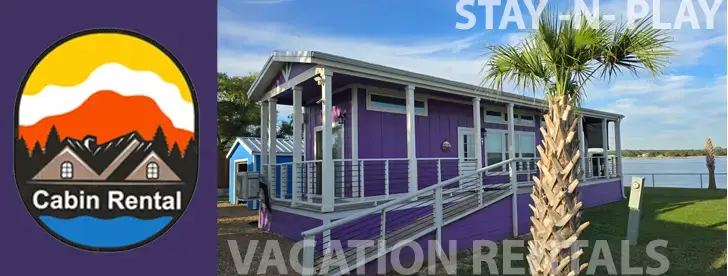
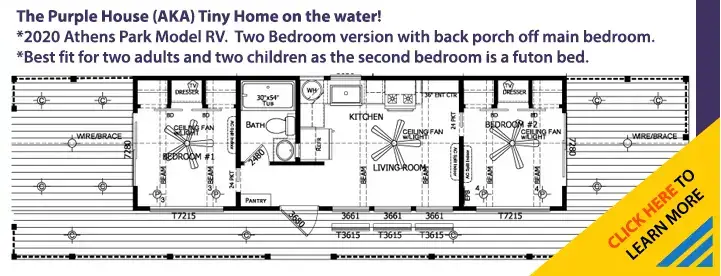
Our cozy Lakeside Cabin Rentals at Lakeview Marina are the perfect way to extend your stay at Eagle Mountain Lake. Whether you're here with a few friends or the whole crew, our cabins offer everything you need for a memorable escape—foosball, shuffleboard, docks, and more! Spend your days on the lake, and in the evenings, stroll over to The Anchor on EML (open seven days a week) or simply enjoy the lakeside sunset. Play a little longer, stay a little longer—your perfect lake getaway is here!
(Click Here) to see more details!

Looking for the ultimate pit stop before hitting Eagle Mountain Lake? Our Bait Shop & Ship Store has everything you need to turn an ordinary lake day into an epic adventure! Need a boat rental? Done. Forgot the fishing gear? We’ve got you covered. Want to chill with an ice-cold beer? It’s waiting! We even have snacks, gas, and all the essentials to keep your day going smoothly. Trust us, you won’t leave empty-handed.
Come on in, grab your gear, and get ready for a day of fun on the lake! (Click Here)

Looking for the perfect lakeside getaway? The Lakeview Marina RV Park has you covered! With spacious sites, easy access to Eagle Mountain Lake, and a boat dock right at your doorstep, it’s the ideal spot for adventure seekers. After a day on the water, unwind with a hot shower or toss a load in our on-site laundry mat. Whether you're here for a weekend or a longer stay, you’ll feel right at home with everything you need for the perfect retreat.
(Click here) to learn more and book your stay!

The Anchor at Lakeview Marina
is the ultimate place to unwind after a fun-filled day on Eagle Mountain Lake. With amazing food, a great atmosphere, and a full-service bar and grill, it’s the perfect spot for friends and family to gather. Enjoy a our lakeside views, or grab a bite for lunch or dinner, all while soaking in the lakeside atmosphere. Whether you're craving a burger or a cold drink, The Anchor on Eagle Mountain Lake has it all. Stop by for great food, fun, and entertainment! Call us at (682) 224-2295 or follow us on facebook at https://www.facebook.com/profile.php?id=61576212793049
(See the MENU for The Anchor EML) - (Click Here)




Understanding the modern accommodation landscape requires looking back at its roots. The concept of temporary lodging has mirrored a city's growth and changing travel habits. For residents and visitors alike, exploring the Vacation Rentals history in Arlington, Texas reveals a fascinating journey from simple roadside inns to sophisticated digital short-term rental markets.
Arlington’s rapid development—fueled by its strategic location within the Dallas-Fort Worth Metroplex—has directly influenced how people choose to stay when visiting. This deep dive explores the key eras that shaped short-term rentals in Arlington, detailing how technology and tourism have combined to create today's dynamic housing market.
Before the advent of dedicated online booking platforms, temporary stays were handled through traditional establishments. In the early 20th century, accommodation in Arlington reflected general American travel trends. Lodging options primarily consisted of large hotels catering to business travelers or smaller motor courts designed for automobile tourists.
These initial accommodations established a pattern: visitors needed reliable places outside their permanent residence. While not strictly "vacation rentals" as we know them today, these early motels and inns laid the groundwork by offering temporary living space detached from traditional long-term leases. The need to cater specifically to travelers passing through Arlington was always present.
Following World War II, America experienced an immense boom in automobile travel. This era saw the proliferation of roadside motels throughout Texas, including those serving the growing population centers around Arlington. These establishments were key players, representing a significant step toward what we now define as vacation rentals.
These early structures were physically built and marketed as temporary homes away from home—the foundational concept behind modern short-term rentals in Arlington TX.
The true transformation came with the internet and the rise of peer-to-peer rental platforms. Before sites like Airbnb or Vrbo, finding a local resident’s spare room or house for rent required word-of-mouth networking—a far slower process than today.
The digital revolution fundamentally altered Vacation Rentals Arlington Texas by providing instant access to private residential properties. Suddenly, visitors weren't limited to institutional lodging; they could experience local life and stay in unique homes across different neighborhoods of the city. This shift broadened who used these rentals—from temporary students and relocating professionals to dedicated tourists.
The introduction of technology optimized the entire process:
The rapid growth of the vacation rentals industry in Arlington, Texas has had significant socioeconomic impacts on local housing markets. This evolution means that understanding current regulations is crucial.
As demand soared for short-term accommodations—particularly during major events or peak tourist seasons—local governance began to adapt. Cities across the country, including those near Arlington, have debated and implemented specific ordinances regarding where and how these rentals can operate. This regulatory framework continues to shape the future of short-term rental history in Texas.
The balance between providing flexible housing options for visitors and maintaining local residential stability remains a defining characteristic of this evolving sector within Arlington’s real estate landscape.
From the simple motor courts of yesteryear to today's sophisticated digital rental marketplace, the Vacation Rentals history in Arlington, Texas is one defined by adaptability and technological adoption. What began as basic temporary lodging has matured into a complex economic sector that supports tourism, global travel, and local economies.
As technology continues to evolve—potentially introducing new forms of managed or virtual rentals—the pattern established over the last century demonstrates Arlington’s enduring appeal as both a place to live and an ideal destination for temporary stays. The story of short-term rental accommodations in this area is one of continuous growth, reflecting Arlington's own dynamic journey into modern Texas.
Planning a trip should be exciting, and when it comes to finding where to stay, vacation rentals offer an unparalleled level of comfort and experience. Forget standard hotel stays; exploring accommodations through vacation rentals allows travelers to immerse themselves fully in the local culture while enjoying the amenities they might not find otherwise. Whether you are planning a family getaway, a romantic weekend escape, or an extended solo adventure, understanding what makes these properties so desirable is key.
The appeal of vacation rentals goes far beyond just having somewhere to sleep. It fundamentally changes the travel dynamic by offering a sense of home away from home. When you book through short-term rental options, you gain space, privacy, and often access to full kitchens—features that dramatically increase your ability to cook local cuisine or simply relax after a day of sightseeing.
One major benefit is the cost efficiency for groups. Sharing accommodations in a vacation rentals setting with friends or family can be significantly more economical than booking multiple hotel rooms, making it an excellent choice for larger parties looking to maximize their budget without sacrificing quality lodging. Furthermore, many unique properties associated with these bookings offer genuine local character and charm.
Unlike traditional institutional lodging, short-term rentals provide flexibility in amenities and layout. You might find a historic cottage near the coast one week, followed by a modern penthouse apartment downtown the next—all within your overall travel itinerary. This adaptability is what makes booking through platforms specializing in high-quality vacation rentals so appealing to seasoned travelers.
The term "vacation rentals" encompasses a vast array of housing styles, ensuring there is the perfect fit for every travel need and budget. Knowing what types are available can help narrow down your search when booking accommodation online.
To ensure your experience with vacation rentals is seamless and enjoyable, preparation is everything. Here are expert tips focused on optimizing your search process.
When researching potential destinations, focus heavily on the neighborhood surrounding the property rather than just the listing details. A fantastic vacation rental in a poorly located area can ruin an otherwise perfect trip. Look at proximity to public transport, local markets, and natural attractions.
Always check which amenities are included—is parking available? Is there reliable Wi-Fi connectivity for remote work or entertainment? Do the kitchen appliances meet your cooking needs? These details significantly impact comfort during an extended stay in a vacation rental.
Every destination has different rules regarding rentals. Pay close attention to local ordinances, check-in procedures, and house rules before finalizing any booking for your desired short-term rental accommodation. This prevents unexpected issues upon arrival.
Once you have secured your amazing vacation rentals property, remember that the best part is often what happens outside its walls. Use local guides or online resources to plan activities around your base camp. If your rental includes a private outdoor space—a balcony or patio—make it an essential part of your daily routine for enjoying slow mornings and evening sunsets.
By choosing vacation rentals, you are investing in more than just temporary housing; you are booking into the fabric of a local community. This approach allows travelers to live like residents while experiencing all the joys that travel has to offer. Embrace the unique charm, enjoy the space, and make your next trip truly unforgettable with an exceptional short-term rental.
Understanding the history of vacation rentals in Arlington, Texas requires looking at how tourism and temporary accommodation have evolved alongside the city's massive population growth. Historically, lodging options were limited by infrastructure; however, modern technology has transformed the short-term rental market, making accessing unique local stays easier than ever before.
Before the digital age defined vacation rentals, temporary accommodations primarily centered around traditional hotels. As a growing community within the Dallas Metro area, early tourists arriving in Arlington relied on established motor lodges and large hotel chains that catered to business travelers and regional visitors. The initial focus of tourism was often linked to major railroad lines or industrial centers passing through the region.
These earlier accommodations laid the groundwork for modern hospitality but lacked the personal touch and unique residential feel associated with today’s Arlington TX vacation rentals experience. Travelers needed dedicated hotel stays, making them less flexible than what is available in the contemporary market.
As Arlington grew into a major suburban hub during the latter half of the 20th century, the demand for temporary housing surged. The expansion of corporate campuses and universities meant that business travelers—and their families visiting on vacation—needed diverse lodging solutions. This period saw the establishment of larger resort-style complexes near key attractions.
While these locations were excellent destinations, they still represented institutionalized travel. They did not yet facilitate the concept of renting a private home or apartment for an extended stay that defines the modern vacation rentals experience in Arlington today. The need was there; the technology to capitalize on it was just around the corner.
The true turning point for Arlington Texas vacation rentals came with the proliferation of online travel platforms. These digital marketplaces allowed property owners—who previously might have thought their homes were only suitable for permanent residence—to monetize them by listing them as short-term rental properties.
This shift fundamentally altered how people view Arlington’s lodging options. The ability to book an entire home provided privacy and often included amenities that exceeded those found in standard hotel rooms, accelerating the growth of the short-term rental market.
Today's vacation rentals history shows a clear trend: demand for authenticity and local immersion. Modern guests searching for accommodations in Arlington are looking not just for a place to sleep, but an experience that feels integrated into the neighborhood fabric.
In conclusion, the journey from basic motor lodges to a sophisticated market of Arlington TX vacation rentals reflects not only changes in technology but also evolving travel preferences—a desire for comfort, community feel, and genuine local immersion.
Arlington, Texas offers a rich blend of history, modern amenities, and vibrant community life, making it one of the most dynamic areas within the Dallas-Fort Worth metroplex. Whether you are planning a visit or considering calling this growing metropolis home, understanding what makes Arlington so special is key. This comprehensive guide explores everything from historical landmarks to modern entertainment options that define the appeal of living in or visiting Arlington.
The history of Arlington can be traced back through significant periods of growth and development, making its cultural landscape incredibly layered. Originally settled by diverse groups, Arlington, Texas has continuously adapted while retaining core local character. Exploring the historical downtown area provides a tangible connection to this past. Local architecture reflects decades of change, creating an engaging backdrop for exploration.
The community spirit in Arlington is palpable. Residents take great pride in their city's evolution and commitment to growth. Learning about Arlington Texas history through local museums or walking tours offers a deep appreciation for the area’s resilience and cultural depth, far beyond just its modern attractions.
One of the most frequent questions asked is, "What are some things to do in Arlington?" The answer spans multiple interests, from high-tech entertainment complexes to serene public green spaces. No matter your passion—be it sports, dining, or nature—Arlington has a destination for you.
The core downtown area of Arlington is the epicenter of modern activity. This district features impressive architecture and numerous retail outlets designed to cater to every demographic. Visitors can spend hours simply wandering, enjoying the varied commercial offerings that define urban life in Arlington.
For those seeking a break from city bustle, Arlington boasts several expansive parks perfect for recreation. These green spaces are excellent locations for picnicking, jogging, or simply relaxing under mature trees. The commitment to public recreational areas ensures that outdoor enthusiasts always have beautiful places within the city limits.
Arlington is also a major center for sports and entertainment venues. These facilities regularly host large-scale events, drawing crowds from across Texas and beyond. For fans of live performance or professional athletics, things to do in Arlington often revolve around checking the local event calendar.
Beyond its attractions, many are drawn to the quality of life offered by Arlington Texas. The city strikes an impressive balance between maintaining a strong sense of community and offering access to world-class infrastructure. Commuting convenience, diverse housing options, and excellent local services contribute significantly to making it a desirable place to live.
The culinary scene in Arlington is particularly noteworthy. From highly specialized ethnic restaurants to popular casual dining spots, the Arlington area provides unparalleled gastronomic variety. Exploring the myriad of fine dining experiences or grabbing coffee at an independent cafe makes daily life enjoyable and enriching for residents alike.
Whether you are a first-time visitor looking to explore local culture or a long-term resident seeking new neighborhood gems, Arlington provides endless opportunities. When planning your trip, consider dedicating time not just to the major landmarks but also to exploring the diverse neighborhoods that make up this sprawling and vibrant city.
In summary, from its rich history underpinning the modern metropolis of Arlington, Texas, to its commitment to providing outstanding recreational opportunities and a dynamic urban lifestyle, there is always something new to discover. We hope this guide helps you plan your next adventure or solidifies why making Arlington home remains an excellent choice.
Understanding the Vacation Rentals History reveals a fascinating journey that mirrors the evolution of global travel itself. Far from being purely digital phenomena, temporary accommodation has roots stretching back millennia. The concept of renting space away from one's permanent home is fundamentally human—it’s about mobility, adventure, and experiencing different cultures without establishing deep commitments.
This comprehensive look at the Vacation Rentals History tracks how accommodations moved from necessity-based shelters to highly digitized global marketplaces. By exploring these milestones, we can better understand why short-term rentals dominate modern travel planning today.
Before standardized hotels or online platforms existed, the need for temporary lodging was constant. Early travelers—be they merchants, pilgrims, or armies—relied on established networks that provided basic shelter. These were not "vacation rentals" by modern definition, but they represent the foundational concept.
These initial systems established the precedent of paying a third party (the innkeeper) for short-term shelter, laying groundwork critical to Vacation Rentals History.
The Industrial Revolution marked a massive turning point in travel. As mobility increased and middle classes gained disposable income, standardized lodging became necessary. This era saw the formalization of what we now call "hotels."
Early hotels were often designed for transient business travelers—merchants who needed reliable places to stay while conducting trade. They offered predictable services: dining rooms, uniformed staff, and multiple floors dedicated solely to accommodation.
The development of the hotel model professionalized travel lodging. It separated temporary dwelling from home life entirely, creating a distinct market segment that would eventually compete with—and sometimes replace—the concept of renting someone's private residence for vacation purposes.
While the hotel model provided structure, it was often impersonal. Before platforms like Airbnb defined modern short-term rentals, there were localized exchange systems and early forms of subletting that catered to travelers seeking a more "local" experience.
Before internet connectivity made global sharing easy, these arrangements relied heavily on word-of-mouth networks or local travel agents who managed connections between homeowners needing income and tourists looking for an authentic stay. This period demonstrated the untapped market desire: people wanted to live like locals, not just sleep in a standardized room.
The true explosion of Vacation Rentals History is inextricably linked to two technological advancements: the widespread adoption of high-speed internet (Web 2.0) and sophisticated booking platforms. These innovations democratized access, allowing individual homeowners worldwide to become micro-landlords.
These digital marketplaces solved several problems simultaneously: they offered travelers a wider variety (entire homes vs. single rooms) and provided homeowners with an entirely new revenue stream from assets sitting empty for periods of time.
Today's mature market reflects how these different segments—hotels, traditional rentals, and peer-to-peer platforms—coexist but also compete. The Vacation Rentals History shows a clear trend toward personalization and experience over simple commodity lodging.
The Vacation Rentals History proves that travel accommodation is constantly evolving. We moved from basic roadside inns to standardized corporate hotels, and finally arrived at the hyper-localized sharing economy we know today. The future suggests even more integration—blending smart home technology with seamless booking experiences—ensuring that finding a temporary place to call "home" remains one of humanity's most enduring travel needs.
By understanding this rich history, travelers and property owners alike can appreciate how far the industry has come in providing diverse options for short-term stays globally.
Understanding the vacation rentals history reveals a deep evolution of human travel and accommodation needs. The concept is far from modern; it tracks with humanity's increasing leisure time, improved transportation, and technological advancements that connect travelers directly to property ownership. Tracing this comprehensive journey shows how we moved from seasonal dwellings to the sophisticated global short-term rental market.
Before formal booking platforms existed, vacation stays were dictated by geography and social class. Historically, wealthy travelers often relied on seasonal homes or inns established near natural attractions—rivers, mountains, or coastlines. These early accommodations provided a respite from city life but lacked the standardized model we recognize today. The foundational need for temporary residence away from one's permanent home is what defines vacation rentals.
The first true precursors to modern vacation rental properties were often seasonal cottages and boarding houses. They catered specifically to people who needed a place during predictable periods, such as summer months or hunting seasons. These early arrangements established the core concept: temporary lodging distinct from long-term leases.
A major inflection point in vacation rentals history came with the Industrial Revolution and the subsequent growth of leisure time among the middle classes. The development of reliable railways dramatically increased mobility, allowing people to travel further for pleasure than ever before. This spurred the creation of grand hotels near train stations or popular destinations.
The late 19th century saw the establishment of dedicated resort towns. These areas were built entirely around temporary leisure stays, proving that localized accommodation could be a sustainable economic model independent of permanent residential needs. The railway was arguably the greatest catalyst in defining early tourism accommodations and setting the stage for modern rental properties.
Following World War II, automobile travel became democratized. This shift fundamentally altered tourism accommodation trends. The rise of the car required a new type of lodging that could be accessed easily off major thoroughfares. This led directly to the proliferation of motels and roadside inns.
These standardized units were precursors to modern self-contained rental properties, emphasizing convenience and independence for travelers on the move. While these establishments offered structure, they still represented a more managed model compared to renting an entire dwelling unit or home, which is central to today's short-term rental market.
The true revolution in vacation rentals history arrived with the internet and digital technology. Before online platforms, finding a private dwelling for rent required local knowledge, phone calls to property managers, or physical travel—a cumbersome process.
Online listing services transformed this by creating global marketplaces connecting owners directly with renters. Platforms emerged that allowed individuals to list their personal properties (homes, apartments) as temporary rentals. This decentralized model bypassed traditional hotel chains and formalized the modern short-term rental market structure we know today. These digital tools lowered barriers to entry for both property owners and travelers alike.
The evolution of these properties highlights several key elements:
In summary, the history of vacation rentals is a narrative woven through transportation breakthroughs and digital innovation. It transitioned from seasonal necessity to industrial convenience, culminating in today's highly flexible global platform that defines modern travel.
Exploring the Arlington Texas history reveals a story not just of growth, but of strategic positioning within one of America's most rapidly expanding metropolitan areas. Located adjacent to major transportation corridors connecting Dallas and Fort Worth, Arlington has always been defined by its ability to adapt and flourish alongside regional development. Understanding the timeline of this community requires looking at several distinct periods—from early cattle trails to modern urban sprawl.
The initial settlement patterns in what would become Arlington were deeply intertwined with the vast ranching culture that characterized North Texas. Before it was a recognized city, the area served as key stopping points for travelers moving between larger established centers like Dallas and Fort Worth. Early settlers utilized natural resources, establishing small homesteads focused on agriculture and livestock. The geography dictated early routes, making this land highly desirable for commerce.
The formalization of community life began gradually in the late 19th century. Like many Texas towns that grew out of rural necessity, Arlington’s identity was initially defined by its connection to railroads and local markets. These foundational elements laid the groundwork for future expansion, attracting diverse populations who contributed unique skills and entrepreneurial spirit critical to shaping modern Arlington Texas history.
As the 20th century progressed, Arlington experienced a monumental transformation. The need to accommodate an increasingly large population base spurred dramatic infrastructure development. This period saw agricultural land rapidly giving way to residential neighborhoods, commercial centers, and institutional facilities.
A critical aspect of the Arlington Texas history is its continuous effort to build out robust public services and transportation networks. The city's location allowed it to benefit from major highway expansions, solidifying its role as a prime commercial hub within the greater DFW area. This growth necessitated careful urban planning, allowing Arlington to maintain both residential appeal and industrial capacity simultaneously.
The development of educational institutions further cemented Arlington’s status as an evolving community. These academic centers drew thousands of students and faculty, contributing intellectual capital that fueled subsequent economic cycles within the city limits.
Throughout its history, several key milestones have defined Arlington. One notable period involved military significance; strategic locations were often utilized by armed forces throughout various conflicts. This connection to defense and governmental presence provided stability and a consistent flow of development funds into the community.
The transition from a modest townsite with scattered homesteads to a major, sprawling metropolitan center is perhaps the most dramatic chapter in Arlington Texas history. This transformation was not sudden but rather an organic process driven by population demand and economic opportunity. The city embraced vertical growth alongside horizontal expansion.
The establishment of commercial districts created recognizable centers of activity. These areas became magnets for retail, professional services, and entertainment venues, solidifying Arlington's reputation as a vibrant destination within North Texas.
Today’s modern city is built upon this deep foundation of early settlers, railroad pioneers, military contributors, and ambitious developers. The enduring strength demonstrated throughout Arlington Texas history lies in its resilience—its capacity to absorb massive change while retaining a sense of community identity.
The ongoing narrative emphasizes how the initial strategic location proved invaluable. Whether facilitating trade via early trails or managing modern traffic flows along major interstate corridors, Arlington has consistently positioned itself for future success. The continued study and appreciation of Arlington Texas history offers insight into broader themes of American frontier development and urban evolution.
The story of Arlington is a testament to continuous effort and strategic adaptation. From its humble beginnings near the cattle trails, through periods of intense growth fueled by industry and education, to its current status as a bustling metropolitan hub, Arlington Texas history paints a picture of relentless forward momentum. It remains one of North Texas' most dynamic communities.
The history of Arlington, Texas, is a rich narrative that reflects the dramatic growth and evolution of modern Dallas-Fort Worth Metroplex region. Understanding the Arlington Texas history provides insight into how this community transitioned from rural farmland to one of the largest metropolitan areas in the state.
Before Arlington was incorporated, the area served as agricultural land situated strategically between larger established settlements like Dallas and Fort Worth. The initial period saw settlers drawn by the promise of fertile ground and access to transportation routes. Early life here mirrored typical Texas frontier experiences—a mix of subsistence farming, cattle ranching, and small-scale community building.
The establishment of local infrastructure was initially slow but steady. These early pioneers laid the groundwork for what would become a major urban center, defining the character that permeates Arlington TX history to this day.
A pivotal turning point in the area's development was the arrival of railroads. Railways were crucial engines of growth across Texas, connecting isolated farming communities to major markets. For Arlington specifically, rail access facilitated commercial activity far beyond local needs.
This improved connectivity allowed for specialized agriculture and attracted industrial interests. The steady influx of people—both settlers looking for opportunity and workers drawn by job creation—marked the beginning of rapid suburbanization in the area now known as Arlington. This phase fundamentally altered the demographic makeup, shifting it from purely agrarian to mixed commercial and residential.
The formal incorporation of Arlington solidified its identity and provided a framework for organized civic development. As populations grew following World War I and into the mid-20th century, the need for robust local governance became paramount. The community began to define itself not just by agriculture, but by commerce, education, and industry.
The growth pattern saw residential areas expanding outwards while commercial hubs developed along major thoroughfares. This era established Arlington's reputation as a diverse and growing suburban center adjacent to the powerful economies of Dallas County.
Following World War II, the boom in American infrastructure spending and population migration accelerated Arlington Texas history into its modern chapter. The area benefited from being located at a nexus point between major interstate highways (I-30 and I-20), dramatically increasing its accessibility.
This period saw massive industrial development, establishing Arlington as an important center for corporate headquarters and logistical operations. Educational institutions also flourished, cementing the community's commitment to growth through knowledge and commerce. The modern Arlington TX history is characterized by a dynamic blend of historical preservation efforts alongside cutting-edge urban planning.
To summarize the trajectory covered within the history of Arlington TX, several key themes stand out:
The continuous story of Arlington—from its humble beginnings as an isolated Texas settlement to the vibrant city it is today—is a prime example of American regional development driven by strategic location and human ingenuity.
The history of vacation rentals in Arlington, Texas is a fascinating story that mirrors the growth and transformation of Dallas-Fort Worth Metroplex itself. As an area defined by rapid development, evolving population centers, and increasing tourism appeal, the need for flexible, short-term accommodation has dictated significant shifts in local real estate and hospitality infrastructure.
To understand today's sophisticated market of vacation rentals Arlington Texas requires looking back decades. Initially, transient lodging was rudimentary. Before the advent of modern travel booking platforms, visitors relied on traditional hotels and motels that clustered near major thoroughfares or entertainment districts.
As transportation improved throughout the mid-20th century, so did tourism to the region. Early travelers seeking temporary housing often found options ranging from boarding houses to simple apartment rentals designed for extended stays rather than purely recreational visits. These early accommodations set the groundwork for what would eventually become a robust market of short-term accommodation in Arlington.
The period following major urban expansions saw commercial development accelerate dramatically across Arlington, Texas. The growth was fueled by corporate relocations, educational institutions, and the establishment of large entertainment venues. This sustained economic activity created a consistent demand for temporary housing that exceeded what traditional hotel chains could efficiently provide.
Before digital platforms dominated, renting often involved working with local property management firms or even utilizing established networks of homeowners who rented out spare rooms. These early iterations were crucial; they demonstrated a community readiness to embrace non-traditional housing models for visitors and business travelers alike. This paved the way for the modern concept we now know as vacation rentals Arlington Texas.
The most dramatic catalyst in the history of this market was technological integration. The rise of online travel agencies (OTAs) and peer-to-peer rental platforms fundamentally changed who could become a host, how guests found properties, and what "vacation rentals" meant.
Suddenly, property owners were able to monetize unused space with unprecedented ease. For Arlington, this influx of listings diversified the accommodation landscape dramatically. Instead of just looking at large chain hotels, travelers could access residential neighborhoods, unique properties, and diverse types of short-term rentals in Arlington TX.
This shift democratized the market, transforming it from a niche industry reliant on travel agents into a massive, global platform accessible to everyone. The sheer volume and variety offered by these modern platforms solidified vacation rental usage as an integral part of local tourism revenue for Arlington Texas.
Today's market reflects the maturity achieved over decades of growth. Modern vacation rentals Arlington Texas are not just temporary beds; they represent entire living experiences. Property owners now invest in amenities—high-speed internet, luxury finishes, proximity to major attractions like Globe Life Field or local parks.
The journey from basic roadside lodging to a global network of luxury and affordable vacation rentals in Arlington Texas showcases the city's impressive adaptability. The history is one of continuous growth, driven by both population influx and technological innovation.
As Dallas-Fort Worth continues its trajectory as a major economic hub, the demand for flexible housing solutions—the backbone of the vacation rentals market in Arlington—is only expected to increase. Understanding this rich history provides valuable insight into why short-term accommodation is so vital to maintaining and fueling tourism within the region.
The concept of finding ideal accommodations for leisure travel has evolved significantly over the past decade, placing vacation rentals at the forefront of modern tourism. Moving beyond traditional hotel stays, these types of properties offer travelers a unique opportunity to immerse themselves in a local setting while enjoying unparalleled comfort and space. Understanding what makes booking vacation rentals so appealing requires looking at everything from cost efficiency to privacy levels.
Whether you are planning an intimate getaway with family or seeking a large estate for a group celebration, the variety available within the market of short-term accommodations is vast. This comprehensive guide explores why many travelers are choosing vacation rentals as their preferred method of travel lodging and how to select the perfect property for your next adventure.
Many people wonder if a vacation rental truly beats staying in a hotel. While hotels offer convenience, short-term rentals often provide superior value and lifestyle benefits that cater directly to modern travel preferences. Here are the key advantages:
The term vacation rentals covers a wide spectrum of property types, ensuring there is an ideal fit for every budget and taste. When considering where to stay, it helps to know what options are available in the modern travel market.
For those seeking ultimate privacy and indulgence, luxury properties offer amenities like private pools, dedicated movie rooms, high-end furnishings, and breathtaking views. These luxury vacation rentals provide a five-star experience without the traditional hotel structure.
If your focus is on being centrally located within a bustling city but still desiring kitchen facilities, an apartment rental is perfect. These units maximize walkability and allow travelers easy access to local nightlife while providing a secure home base after long days exploring the metropolis.
For nature enthusiasts or those seeking digital detox, vacation rentals in wooded areas, such as cabins or secluded beach houses, offer tranquility. These properties are designed for relaxation and reconnection with natural surroundings.
Successfully planning a trip hinges on meticulous research, especially when navigating the world of short-term rentals. Follow these tips to ensure your booking experience is stress-free from start to finish:
Ultimately, choosing a vacation rental is less about where you sleep and more about how you experience your destination. It shifts the focus from passive consumption (like eating out every meal) to active living—the ability to gather in one space, prepare meals together, or simply enjoy the quiet comfort of making memories within a home environment.
The flexibility inherent in booking accommodations through dedicated rental platforms makes travel planning more customized and fulfilling. It provides a genuine taste of life beyond the typical tourist circuit. For travelers prioritizing local immersion, space, and value, understanding and utilizing the vast resources available in the world of high-quality vacation rentals is key to unlocking unforgettable journeys.


