



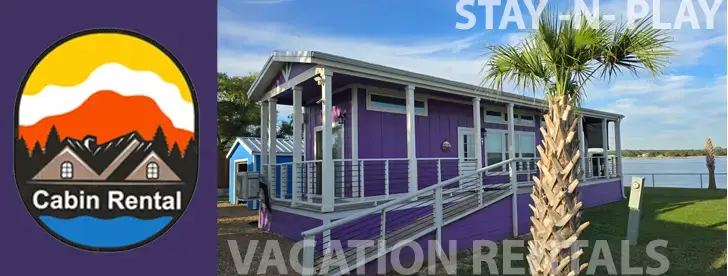



Cabin Rentals
Our cozy Lakeside Cabin Rentals at Lakeview Marina are the perfect way to extend your stay at Eagle Mountain Lake. Whether you're here with a few friends or the whole crew, our cabins offer everything you need for a memorable escape—foosball, shuffleboard, docks, and more! Spend your days on the lake, and in the evenings, stroll over to The Anchor on EML (open seven days a week) or simply enjoy the lakeside sunset. Play a little longer, stay a little longer—your perfect lake getaway is here!
(Click Here) to see more details!

Looking for the ultimate pit stop before hitting Eagle Mountain Lake? Our Bait Shop & Ship Store has everything you need to turn an ordinary lake day into an epic adventure! Need a boat rental? Done. Forgot the fishing gear? We’ve got you covered. Want to chill with an ice-cold beer? It’s waiting! We even have snacks, gas, and all the essentials to keep your day going smoothly. Trust us, you won’t leave empty-handed.
Come on in, grab your gear, and get ready for a day of fun on the lake! (Click Here)

Looking for the perfect lakeside getaway? The Lakeview Marina RV Park has you covered! With spacious sites, easy access to Eagle Mountain Lake, and a boat dock right at your doorstep, it’s the ideal spot for adventure seekers. After a day on the water, unwind with a hot shower or toss a load in our on-site laundry mat. Whether you're here for a weekend or a longer stay, you’ll feel right at home with everything you need for the perfect retreat.
(Click here) to learn more and book your stay!

The Anchor at Lakeview Marina
is the ultimate place to unwind after a fun-filled day on Eagle Mountain Lake. With amazing food, a great atmosphere, and a full-service bar and grill, it’s the perfect spot for friends and family to gather. Enjoy a our lakeside views, or grab a bite for lunch or dinner, all while soaking in the lakeside atmosphere. Whether you're craving a burger or a cold drink, The Anchor on Eagle Mountain Lake has it all. Stop by for great food, fun, and entertainment! Call us at (682) 224-2295 or follow us on facebook at https://www.facebook.com/profile.php?id=61576212793049
(See the MENU for The Anchor EML) - (Click Here)





The connection between a community and its natural waterways is often profound, shaping local culture, economy, and recreation. Nowhere is this more evident than with the history of boat ramps servicing the beautiful rivers near Azle, Texas. Understanding the boat ramp history in Azle, Texas, reveals not just engineering milestones, but chapters of regional development itself.
For generations, these waterways have been vital arteries for travel and livelihood. However, as modern recreational boating grew popular, dedicated infrastructure became necessary to safely transition vessels from land to water. The story of the Azle boat ramps is one of adaptation—meeting the needs of anglers, family outings, and commercial users alike.
Before formalized concrete access points existed, early travel along these Texas waterways relied on natural gradients or rudimentary docking areas. The initial interactions with the water were focused heavily on subsistence—fishing for food and moving goods through small boats powered by muscle or sail. These original methods necessitated simple landings rather than modern ramps.
The need to reliably access deep enough water, regardless of seasonal river levels in Central Texas, spurred early efforts at improving shorelines. The foundational concept that would eventually become the Azle boat ramp was simply a reliable point of entry and exit for vessels seeking adventure or sustenance on the Llano River system.
As motorized boating became common in the mid-20th century, natural shorelines proved insufficient. The introduction of engineered boat ramps represented a massive leap forward in local infrastructure and recreation management. These structures allowed boats to launch efficiently, minimizing drag on natural banks.
The development process was driven by several factors:
The boat ramp history in Azle, Texas therefore tracks with the growth of motor vehicle ownership coupled with increased leisure time for residents and tourists visiting the region.
A boat ramp is never just concrete; it represents a community investment. The evolution of these facilities reflects changing priorities—from basic access to increasingly robust, ADA-compliant structures capable of handling larger vessels and higher traffic volumes.
Early ramps were often simple gravel or poured concrete sections built by local efforts. Over the decades, however, improvements have been continuous: widening ramp widths, improving drainage systems to prevent erosion around Azle boat access points, and updating materials for longevity against Texas elements. These upgrades ensure that whether you are casting a line from an old-school fishing spot or piloting a modern powerboat, the entry point remains safe.
The ramps serve as critical hubs where local businesses—bait shops, tackle stores, and outfitters—cluster, further cementing their importance to the regional economy. They draw consistent traffic year-round, making them more than just utilitarian structures; they are economic anchors for Azle.
Today, understanding boat ramp history in Azle, Texas emphasizes its enduring role as a recreational gateway. For modern boater and angler communities, the facilities provide reliable access to some of the most beautiful waterways in West Texas.
The continuing maintenance and enhancement of these boat ramps are crucial for preserving both safe recreation and historical character. They connect people directly back to the natural resources that define life in this part of Central Texas. Whether you are learning about local boating facilities or simply enjoying a day on the water, the ramp remains the essential starting point.
In conclusion, every boat ramp near Azle is a monument to human ingenuity meeting nature's power. They tell a detailed story of how necessity gave way to leisure, building vital infrastructure that continues to support generations of anglers and river enthusiasts enjoying the unique appeal of life on the waterways.
A boat ramp is far more than just a concrete slope; it represents critical infrastructure for boating enthusiasts, maintaining safe access to waterways, and ensuring efficient launching of vessels. If you are involved with marine activities, understanding the design, maintenance, and functionality of your local or personal boat ramp is paramount.
This comprehensive guide will explore everything related to boat ramps—from material selection and structural requirements to best practices for safe operation. Whether you are planning a new launch site or simply want to better understand what makes an optimal safe launching point, reading about boat ramp construction is essential.
The primary function of any boat ramp is simple: it provides the necessary gradient and surface area for boats to transition safely between land and water. However, their importance extends into safety and environmental stewardship.
The "best" type of boat ramp depends heavily on location, anticipated usage, and environmental factors. Experts recommend considering several core elements before any construction begins.
Choosing the right material is crucial because it affects durability, cost, maintenance requirements, and safety under wet conditions.
The angle (or gradient) is perhaps the most technical aspect of any boat ramp design. If the slope is too steep or too shallow relative to the water depth, launching becomes difficult.
A boat ramp is a massive piece of civil engineering infrastructure. Its structural integrity cannot be taken for granted.
To maximize the lifespan and safety of your boat ramp, regular inspection is necessary:
No discussion about boat ramps can overlook safety protocols. These guidelines protect not only boaters but also tow vehicle operators.
Ultimately, a well-designed, properly maintained boat ramp acts as an indispensable lifeline connecting land to aquatic recreation. By understanding the engineering principles, material requirements, and safety protocols associated with these structures, boaters can continue to enjoy their passions safely and responsibly.
Investing knowledge into how your local or personal marine access point operates ensures that this critical piece of infrastructure remains safe for generations of boater. Always consult professional marine engineers when discussing the construction or major repair of any
The boat ramp history in Azle, Texas is deeply intertwined with the natural evolution of local waterways and the growing recreational interest in Central Texas's aquatic resources. Understanding this history reveals not only how modern infrastructure came to be but also reflects changes in community use, engineering practices, and environmental stewardship over many decades.
Before dedicated boat ramps were constructed as we know them today, access points along the local waterways serving Azle were dictated by natural geography. Historically, early settlement relied on simple landing areas suitable for docking small craft used for fishing or transport of goods. These initial water crossings formed the foundation upon which modern Azle TX waterfront development was built.
The need to safely and efficiently launch boats became critical as recreation grew in popularity during the mid-20th century. The early stages of this history involved rudimentary slipways—simple graded concrete or gravel areas designed for gradual water entry, rather than purpose-built ramps capable of handling large volumes of modern recreational vehicles.
The transition from basic docking spots to sophisticated boat ramp infrastructure in Azle was driven by several factors. Increased motorized boating, larger vessels requiring deeper water access, and the general expansion of outdoor recreation necessitated a more durable and reliable launch system. The engineering challenge was how to create stable, safe ingress points that could withstand seasonal fluctuations in water levels while accommodating modern boat designs.
The development timeline for these structures shows an adaptation process: early ramps focused on basic concrete foundations; later iterations incorporated advanced materials like reinforced steel pilings and specialized grading techniques necessary for year-round usability regardless of weather or drought conditions. This continuous improvement is a key part of the boat ramp history in Azle, Texas.
A thorough look at this local waterway's access points highlights several recurring themes crucial to its development:
Beyond mere access, the presence and consistent maintenance of reliable boat ramps significantly influenced Azle's local economy by supporting tourism and recreational activities. The ramp system acts as a vital piece of public infrastructure that draws visitors interested in fishing, boating, and enjoying the surrounding natural landscape.
Today’s boat ramp facility stands not just as concrete on land meeting water—it is a testament to decades of local effort. The ongoing history involves continuous upgrades, safety improvements, and efforts to ensure that these crucial access points remain functional for future generations.
When exploring the history of boat ramps in Azle TX, one recognizes a story of adaptation: adapting engineering solutions to meet recreational demand while respecting the natural cycles of Central Texas waterways. These facilities continue to serve as essential hubs connecting the community with its rich aquatic heritage and providing enduring opportunities for outdoor enjoyment.
Planning a trip through Central Texas? Looking for a destination that offers genuine small-town charm without overwhelming tourist crowds? Then look no further than Azle, Texas. Nestled within a beautiful part of the state, Azle is more than just a stopover; it’s a place with deep roots and an inviting community atmosphere waiting to be explored. Whether you are interested in local history, outdoor adventures, or simply enjoying the quiet pace of life that defines rural Central Texas, Azle Texas offers something special for every visitor.
To truly appreciate modern Azle Texas, one must first understand its history. The area has seen significant growth and change over the decades, leaving behind a rich tapestry of local stories and architectural gems. Understanding the origins helps visitors connect with the unique spirit that permeates daily life in Azle.
The historical significance adds depth to any visit. Many residents take pride in preserving the character of Azle. When considering what to see near Azle, understanding its pioneering past gives context to the local businesses and community feel you will experience upon arrival. The history woven into the fabric of this town is a key part of why so many people choose to visit or settle down in Azle Texas.
While some destinations boast sprawling attractions, much of the appeal of Azle Texas lies in its manageable size and the quality of localized experiences. Here are several ways to spend your time exploring this wonderful community:
One of the most cited benefits when people travel to or move near Azle Texas is the strong sense of community. Unlike larger metropolitan areas, life here moves at a comfortable and welcoming pace. The local businesses are often family-owned, providing personalized service that enhances any visit.
When planning your trip, consider setting aside time just to observe daily life. Sitting in a quiet spot downtown or visiting the local park allows you to absorb the rhythm of Azle. This relaxed environment is exactly what many visitors seek when they plan their getaway to this charming corner of Texas.
Choosing Azle, TX as a destination means selecting an area that values preservation and community connection. Whether you are looking for a quiet weekend retreat or simply want to understand the authentic flavor of Central Texas life, exploring this town is rewarding.
The combination of natural beauty, deep history, and warm local hospitality makes Azle a truly memorable place. From its historic core to its peaceful surrounding countryside, every aspect contributes to an overall wonderful experience when you visit Azle Texas.
To maximize your time in Azle Texas, it is helpful to plan for variety. Dedicate a morning to exploring the historical architecture downtown; spend the afternoon enjoying one of the natural outdoor spots nearby; and reserve an evening for dining at local establishments that support the community.
Remember that getting lost (in a good way!) while wandering through Azle is part of the charm. Take your time, chat with locals who are always happy to share recommendations, and soak in the genuine Texas spirit. We hope this comprehensive guide helps you understand all the wonderful things awaiting discovery when you explore Azle.
Understanding boat ramp history reveals a fascinating journey of human ingenuity, driven by the simple necessity: how do you get your vessel from land water? Before modern marine infrastructure existed, launching boats was often challenging and highly dependent on natural geography. The evolution of the dedicated concrete structure we now call a boat ramp is a story deeply intertwined with maritime commerce, recreation, and engineering advancements.
In pre-industrial times, accessing water was often straightforward if one lived near natural coves or river mouths. However, as boat designs became more robust—requiring deeper drafts and greater stability—the limitations of soft sand beaches or gentle slopes quickly appeared. The earliest forms of assisted launching were rudimentary slipways. These structures typically involved simple graded paths made of wood or packed earth designed to guide a vessel down an incline toward the water’s edge.
These early methods, while functional for small canoes and rowboats, lacked consistency and durability. They could erode quickly due to tides, weather changes, or heavy use. The need for a reliable, predictable launching point spurred continuous innovation in boat ramp history.
As boating transitioned from purely subsistence activity toward recreation and commercial fishing during the late 19th and early 20th centuries, permanent solutions became essential. The key shift was moving away from materials that succumbed to water damage (like untreated wood) towards durable construction like concrete and steel.
The development of engineered waterfronts marked a major turning point. Early boat ramps began incorporating foundational engineering principles: proper slope grading, load-bearing capacity for heavy vehicles (trucks hauling boats), and resistance to saline corrosion. These early permanent structures set the stage for modern marine access points.
The mid-20th century saw exponential growth in leisure boating and coastal development. Demand skyrocketed, requiring more robust and versatile launching methods than ever before. This era drove significant advancements in boat ramp construction.
Engineers started treating the boat ramp not just as a path to water, but as a specialized piece of hydraulic infrastructure. Consideration for tidal fluctuations became paramount. Modern designs had to account for varying water levels throughout the year while maintaining safe approach slopes regardless of conditions.
Key advancements during this period included:
Today’s boat ramp history continues through advanced materials and engineering practices focused heavily on user experience, safety, and environmental impact.
One of the most significant modern advancements is automation. While some ramps remain fixed concrete structures, many larger facilities utilize mechanized or floating sections that can adjust to changing water levels automatically. This flexibility ensures reliable access even during extreme low tides or storm surges.
Contemporary boat ramp construction employs specialized coatings and materials designed not only for strength but also for anti-slip properties, which is crucial given the wet environment of boat launching areas. The focus remains on sustainability, incorporating drainage systems that minimize runoff pollution into surrounding waterways.
The journey from simple earthen paths to highly engineered concrete and mechanical structures demonstrates remarkable progress in civil engineering related to marine activities. Studying boat ramp history shows that the basic need for access has driven technological improvements, making boat launching safer, more reliable, and suitable for every size of vessel imaginable.
These infrastructure points are vital arteries connecting land-based recreation with aquatic exploration, a function whose importance only continues to grow in modern times.
The history of boat ramps reflects a deep evolution in human recreational pursuits and maritime technology itself. Understanding the boat ramp history reveals how early docking challenges transitioned into sophisticated, durable infrastructure essential for modern boating safety and convenience.
Before dedicated concrete structures became common, launching a vessel was often an arduous process requiring natural topography or rudimentary engineering. The earliest methods of getting boats from land onto water relied on simple inclines built into riverbanks or jetties. These early setups were highly dependent on the local geology and rarely offered standardized accessibility.
As boating became more widespread—especially during periods of increased recreational travel in the 19th century—the need for reliable, predictable access points grew exponentially. Early boat launches often consisted simply of graded earthen slopes or wooden planking laid over natural inclines. However, these structures were prone to decay, shifting due to tides and seasonal changes, making them unreliable long-term solutions.
A major turning point in the evolution of boat ramps came with industrial advancements that allowed for more durable building materials like reinforced concrete. Concrete revolutionized docking infrastructure by providing a stable, predictable surface capable of handling the repeated stress and weight associated with launching and retrieving boats.
Historically, owners first utilized fixed ramps built directly into permanent waterfront property. These solid structures offered maximum stability but required extensive land acquisition and specialized construction knowledge. As boating culture expanded beyond private docks, the need for public access led to standardized municipal designs.
Today's boat ramp history culminates in highly engineered structures that must account for diverse variables: varying tidal ranges, different boat sizes (from kayaks to large yachts), soil composition beneath the structure, and environmental impact.
Modern ramps utilize advanced materials beyond simple concrete. Considerations include:
The functionality of modern ramps extends beyond just a path down to water. Engineers now integrate features such as:
The history of boat ramps is a microcosm of human engineering ingenuity applied to recreation. What began as simple, temporary earthen inclines has matured into complex civil infrastructure. These structures are vital arteries connecting the land-based world with the aquatic playground, supporting millions of hours of recreational boating annually and continuing to evolve alongside advancements in marine technology.
To understand Azle, Texas history is to explore a rich tapestry woven from resilience, pioneering spirit, and the enduring character of West Texas. From its earliest days as an isolated ranching outpost to becoming the thriving community it is today, the story of Azle reflects broader themes of American expansion and frontier development in Cuervo County. This comprehensive look at the history of Azle provides insight into how a small settlement grew roots deeply within the landscape.
Before formalized towns existed, the area that would become Azle was characterized by vast ranching operations and semi-arid plains. The initial influx of people seeking new opportunities in Texas frontier life began gradually throughout the late 19th century. These early settlers were primarily driven by agriculture and cattle industry success.
The establishment process required overcoming significant geographical challenges. Settlers faced harsh weather, limited resources, and long distances from established hubs like Austin or San Antonio. This necessity for self-sufficiency defined their culture and the foundational elements of early settlement in Azle.
A major turning point for the region was the arrival of modern infrastructure, most notably railroads. These lines were instrumental not only in transporting goods but also in drawing permanent populations to the area.
Improvements in transportation allowed settlers to cultivate crops beyond what they could support locally. The railway connection fundamentally changed Azle Texas history by linking local producers directly to larger national markets. This spurred diversification away from purely ranching economies, allowing for the growth of supporting businesses and services.
The development wasn't just about buildings; it was about community building. As more people settled in Cuervo County, social institutions—schools, churches, and local markets—took root, giving the nascent town structure and identity.
Like many small towns experiencing rapid growth on the frontier, Azle faced periods of boom and bust. Economic fluctuations tied to commodity prices meant that resilience was always paramount. The community had to continuously adapt its economy while maintaining its cultural core derived from Texas pioneer life.
Today, the modern incarnation of Azle still bears the hallmarks of its deep history. While global commerce connects it daily, local traditions—such as community festivals and agricultural heritage celebrations—serve to honor those who came before. Understanding Azle Texas history is crucial for appreciating the unique blend of ranching tradition and contemporary Texan life.
The enduring elements that define modern life include:
The history of Azle is a compelling narrative of human determination against challenging odds. From its origins as isolated ranches to today's established community, every aspect—the architecture, the industry, and the spirit of its people—speaks volumes about pioneering effort in Texas.
Exploring these historical foundations provides visitors and residents alike with a profound understanding of why Azle remains such a distinctive part of West Texas. The stories of Azle Texas history are those of tenacity and enduring community.
Understanding the rich Azle Texas history reveals a deep connection between its community spirit and the pivotal economic forces that shaped West Texas. The story of Azle is one of adaptation, growth through industry, and enduring resilience. From its earliest days as an agricultural outpost to its role in regional commerce, exploring this local heritage provides insight into early 20th-century settlement patterns across the region.
The initial development phase for what would become Azle was closely tied to natural resources and transportation routes. Like many towns in West Texas, its founding predates modern infrastructure but grew steadily with improvements to rail lines and farming techniques. Early settlers were drawn by the promise of fertile land suitable for ranching and small-scale agriculture. The establishment period saw a mix of diverse populations contributing foundational elements to the history of Azle TX.
The early years required significant effort from pioneers who established basic civic structures, laying the groundwork for future commercial activity. These formative decades were critical in determining the geographical and economic footprint that defines the town today. The community’s commitment during this initial phase cemented its place within the larger Texas landscape.
Over time, Azle's development was shaped by several key industries. Initially dependent on cattle and farming yields, the town adapted as regional economies shifted. The arrival of railroads proved to be a major catalyst for growth, allowing local goods—from harvested crops to livestock products—to reach broader markets efficiently.
The economic history highlights periods of boom and adjustment. Whether through agricultural expansion or involvement in localized resource extraction, the community maintained a dynamic relationship with industry. This adaptability is central to understanding why Azle has remained a stable fixture on the Texas map for generations. The local business structure flourished by capitalizing on these changing opportunities.
Beyond economics, Azle's history reflects a strong emphasis on community life. Local institutions—schools, churches, and civic organizations—were vital in binding the disparate early settlements together. These social structures helped preserve local traditions even as outside economic influences changed rapidly.
Today, while many industries have evolved since the town's founding, the core values and historical roots remain visible throughout Azle. The continuation of local commerce demonstrates a lasting commitment from residents who value their unique heritage.
The enduring legacy of Azle is not just found in its buildings or infrastructure but within the narrative of perseverance written by its people across decades. Learning about this rich Texas history provides context for modern life and showcases how small towns successfully navigate industrial change while preserving local identity. The ongoing story of Azle continues to be a testament to Texan resilience.
For those who know West Texas and appreciate the connection between community life and natural waterways, the boat ramps of Azle represent more than just concrete access points. They are historical markers, symbols of recreation, commerce, and enduring local tradition. Understanding the boat ramp history in Azle, Texas means exploring a confluence of human ingenuity meeting the powerful flow of nature.
The story of these essential waterways crossings is tied directly to the development of agriculture, ranching, and eventually, recreational boating throughout this vast region. The ramps served initial purposes far beyond simply launching an outboard motor; they were vital infrastructure connecting local residents to water resources for sustenance and livelihood.
To understand the boat ramp history of Azle, one must look back decades. Before formalized ramps existed, access points relied on natural inclines or rudimentary docks that were subject to seasonal changes and extreme weather. The need for reliable waterfront infrastructure became critical as local economies diversified beyond pure ranching.
The early demand was often practical: getting equipment into the water—whether it was fishing gear, hay bales being floated downstream, or simple personal vessels used by fishermen who relied on the river system. These initial informal access points laid the groundwork for what we now recognize as modern boat ramps. The establishment of a designated Azle Texas ramp signified an investment in consistent community use and safety.
As transportation improved throughout the mid-20th century, so too did the methods by which people accessed watercraft. This period marked a significant transformation for local waterways like those near Azle. The rudimentary ramps were replaced with engineered structures designed for heavy use and year-round reliability.
The shift from natural banks to poured concrete ramp surfaces was revolutionary. These modern boat ramps drastically improved safety, allowing quick, reliable launches regardless of the immediate shoreline conditions. The ability to efficiently launch vessels meant that local recreational activities could thrive—fishing tournaments became more organized, and pleasure boating gained popularity.
The boat ramp history in Azle is therefore a timeline of technological advancement supporting quality outdoor recreation. It reflects how community needs dictated civil engineering solutions right at the water's edge.
A key element often overlooked when discussing the physical structure of boat ramps is their role as social hubs. These areas are where generations have gathered. They serve not only vessels but also memories, connecting anglers with historic fishing spots and providing a gathering point for community events.
Today, the boat ramps remain crucial pieces of infrastructure for both local residents and visiting enthusiasts alike. They facilitate everything from small-scale subsistence fishing trips to large organized boating events.
Maintaining these structures requires constant effort—dealing with flood damage, erosion, and heavy wear. The ongoing story of Azle Texas's boat ramps is one of preservation; ensuring that this vital waterfront access remains functional for future generations while respecting the natural environment they serve.
The comprehensive boat ramp history in Azle, Texas is a narrative woven from local dedication. It speaks to how human needs—for recreation, commerce, and connection with nature—have dictated physical change over decades. These ramps are not just concrete; they are gateways connecting the community of Azle to the deep traditions and endless opportunities afforded by its waterways.
Whether you are a long-time local or a first-time visitor exploring West Texas's natural beauty, appreciating these boat ramps means recognizing them as living pieces of Azle history. They stand ready, year after year, to serve the community and uphold the spirit of outdoor adventure that defines life in this part of Texas.
A boat ramp serves as much more than just a pathway; it is critical infrastructure connecting land-based storage areas with navigable waterways. Whether you are launching a small fishing vessel or maneuvering a large recreational cruiser, understanding the design and proper use of your boat ramp is paramount for safety and efficiency. This comprehensive guide explores everything from different types of ramps to maintenance best practices.
The function of any effective boat ramp revolves around facilitating the safe transition between two vastly different environments: solid, often uneven land, and fluid water. Without proper marine access points, launching or retrieving boats would be incredibly difficult and dangerous. A well-designed boat ramp minimizes drag on your vehicle, provides stable footing for personnel, and ensures gradual deceleration of vessels entering a body of water.
The structural integrity of the boat ramp directly impacts boater safety. Improperly sloped or constructed ramps can lead to tipping accidents, damage to expensive equipment, and environmental hazards. Choosing the right type of boat ramp for your specific location is the first step toward safe boating.
The term "boat ramp" covers a wide range of products, each suited for different budgets, water conditions, and usage frequencies. Identifying these differences helps boater owners make informed decisions regarding permanent versus temporary solutions.
These fixed structures are designed for high-volume use at marinas and public launch sites. They offer maximum durability and stability. When built correctly, concrete boat ramps can handle significant weight and provide a consistent surface year after year. However, installation is complex, requiring extensive groundwork.
For private waterfront properties or seasonal use, portable aluminum boat ramps are extremely popular. These units offer versatility; they can be easily moved to different spots along the shoreline when needed. They provide a sturdy and reliable way of launching boats without permanent construction commitment. The design makes them excellent for diverse geographical locations.
These mechanical systems are often integrated into docks or specialized waterfront structures. Sliding boat ramps allow boat owners to launch directly from an adjacent dock structure, eliminating the need for a separate vehicle approach area and offering seamless water-to-vessel transition.
Regardless of whether you opt for portable or permanent structures, several engineering factors must be considered to ensure optimal function. These details relate directly to safety standards required by marine authorities.
The pitch (slope) of the boat ramp is arguably the most critical element. The angle must allow vehicles, trailers, and loaded boats to descend smoothly without excessive strain or risk of rolling back up the incline once in the water. Experts recommend gradual slopes that minimize impact forces.
The material used for the surface—whether it is treated wood, concrete aggregate, or aluminum decking—must withstand constant exposure to salt and fresh water while providing adequate grip. Non-slip surfaces are non-negotiable for safety on any boat ramp.
Since boat ramps operate in highly corrosive environments (saltwater being the most aggressive), materials must be chosen carefully. Aluminum, marine-grade steel, and properly sealed concrete mixes offer superior resistance to rust and decay compared to standard building materials.
Even the best constructed boat ramp will require routine maintenance to remain safe and functional over time. Neglecting upkeep can lead to structural failure or dangerous tripping hazards.
Boaters should conduct pre-season inspections of their ramps, checking for visible cracks in concrete foundations, loose bolts on aluminum structures, or signs of severe wood rot. Pay close attention to the transition points where land meets water; these areas take the most stress.
After each use, especially if using portable units, clear accumulated debris such as submerged logs, trash, and marine growth from underneath or around the ramp structure. This prevents environmental buildup that can compromise structural support over time.
In saltwater environments, organisms like barnacles and mussels will attempt to colonize any stationary surface. While this is natural, excessive accumulation on a boat ramp increases weight and drag. Periodic cleaning with appropriate marine solvents or pressure washing (when safe) keeps the structure performing optimally.
A properly constructed boat ramp should always be coupled with cautious usage by its operators. Adhering to these safety guidelines protects both personnel and property:
In conclusion, understanding boat ramps requires knowledge of materials science, structural engineering principles, and meticulous safety protocols. By considering these factors—from initial design choice to routine maintenance—boaters can ensure reliable, safe, and efficient access every time they launch their vessel.


