Marina

CALL 817-236-4633
{for Marina/RV Park Office & Ships Store}
6696 E Peden Rd Ft Worth, TX 76179
CALL 682-600-4621
{for the Boating Center Sales & Service}
6610 E Peden Rd Ft Worth, TX 76179

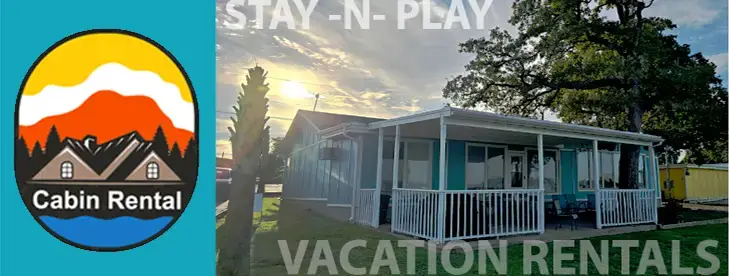
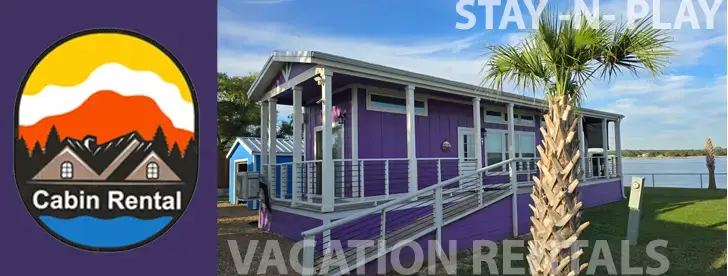
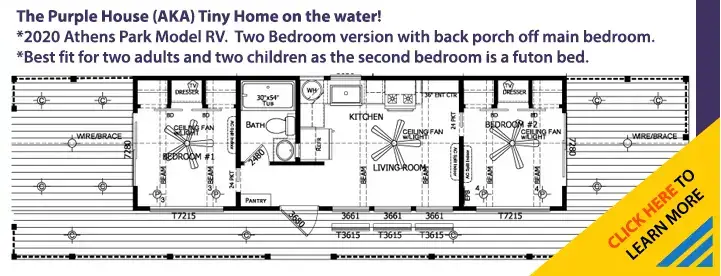
Cabin Rentals

Our cozy Lakeside Cabin Rentals at Lakeview Marina are the perfect way to extend your stay at Eagle Mountain Lake. Whether you're here with a few friends or the whole crew, our cabins offer everything you need for a memorable escape—foosball, shuffleboard, docks, and more! Spend your days on the lake, and in the evenings, stroll over to The Anchor on EML (open seven days a week) or simply enjoy the lakeside sunset. Play a little longer, stay a little longer—your perfect lake getaway is here!

(Click Here) to see more details!

Bait Shop

Looking for the ultimate pit stop before hitting Eagle Mountain Lake? Our Bait Shop & Ship Store has everything you need to turn an ordinary lake day into an epic adventure! Need a boat rental? Done. Forgot the fishing gear? We’ve got you covered. Want to chill with an ice-cold beer? It’s waiting! We even have snacks, gas, and all the essentials to keep your day going smoothly. Trust us, you won’t leave empty-handed.

Come on in, grab your gear, and get ready for a day of fun on the lake! (Click Here)

Lakeview RV Park on Eagle Mountain Lake

Looking for the perfect lakeside getaway? The Lakeview Marina RV Park has you covered! With spacious sites, easy access to Eagle Mountain Lake, and a boat dock right at your doorstep, it’s the ideal spot for adventure seekers. After a day on the water, unwind with a hot shower or toss a load in our on-site laundry mat. Whether you're here for a weekend or a longer stay, you’ll feel right at home with everything you need for the perfect retreat.

(Click here) to learn more and book your stay!

The Anchor at Lakeview Marina

is the ultimate place to unwind after a fun-filled day on Eagle Mountain Lake. With amazing food, a great atmosphere, and a full-service bar and grill, it’s the perfect spot for friends and family to gather. Enjoy a our lakeside views, or grab a bite for lunch or dinner, all while soaking in the lakeside atmosphere. Whether you're craving a burger or a cold drink, The Anchor on Eagle Mountain Lake has it all. Stop by for great food, fun, and entertainment!  Call us at (682) 224-2295 or follow us on facebook at https://www.facebook.com/profile.php?id=61576212793049

(See the MENU for The Anchor EML) - (Click Here)

SWING ON BY LAKEVIEWBOATINGCENTER.COM TO CHECK OUT OUR NEW & USED INVENTORY


Exploring the rich maritime heritage of Azle, Texas, reveals a fascinating story of growth, community life, and adaptation alongside waterways. For those interested in marina history in Azle, Texas, understanding how these waterfront facilities developed is key to appreciating modern outdoor recreation.

The Early Development of Waterways Near Azle

Before dedicated marinas existed as we know them today, the relationship between early settlers and local waterways was purely functional. The rivers and creeks surrounding Azle were vital arteries for transportation, commerce, and subsistence. These natural passages dictated where communities would form, making any area with reliable water access inherently valuable.

The earliest forms of waterfront activity weren't structured marinas; they were rudimentary docking spots used by fishermen, cotton transporters, and small riverboat traffic. The foundational elements that eventually evolved into the modern Azle marina facilities are rooted in this necessity for safe landing points and temporary storage areas. Understanding this initial period is crucial to grasping the full scope of the local maritime past.Commercial Roots: Azle's Role in Regional Trade

As rail lines expanded through West Texas, connecting agricultural output from surrounding ranches and farms, the need for efficient docking points increased dramatically. The early 20th century saw small commercial docks pop up along key waterways near Azle. These weren't just places to tie up boats; they were hubs of economic activity.

The Evolution from Docking Spot to Commercial Marina

Initially, the focus was strictly industrial: loading and unloading goods. The structure that would become a modern marina—with slip assignments, utility hookups, and dedicated services—was an evolution driven by commercial demand. These early structures reflected Azle's growing importance as a regional service center.

The development of robust marina history in Azle, Texas therefore tracks the economic boom cycles of West Texas itself. The ability to handle larger vessels and increasing volumes of goods necessitated more permanent and sophisticated waterfront infrastructure than simple wooden piers could provide.Post-War Transformation: Recreation Meets Industry

The mid-20th century marked a profound shift in how these waterways were utilized, moving beyond purely commercial purposes. As leisure time increased across the nation, boat ownership grew exponentially. This created a massive demand for organized storage and docking—the modern marina concept.

This period saw the transition from predominantly industrial docks to facilities accommodating pleasure craft. The need arose not only to dock boats but also to secure them year-round, leading to formalized slip assignments and dedicated maintenance areas. Analyzing this shift is central to any study of marina history in Azle.Key Components Defining Modern Marinas

  1. Dredging and Water Management: To support larger vessels safely, the waterways required significant dredging over time—a major engineering feat that defined modern marina capabilities.
  2. Safety Infrastructure: The addition of breakwaters, navigational aids, and emergency services solidified these locations as safe havens for boaters.
  3. Service Offerings: Modern marinas expanded their scope to include fueling stations, repair shops, and administrative offices, turning them into comprehensive nautical centers.

Contemporary Relevance of Azle's Marina Facilities

Today, the Azle marina facilities serve a diverse clientele—from competitive anglers utilizing local fishing spots to families enjoying weekend excursions on recreational vessels. While the original commercial purpose remains part of its DNA, recreation is now primary.

The continuation and maintenance of these structures represent an ongoing dialogue between preservation and progress within Azle. The modern marinas must balance respecting their deep industrial past while meeting the demands for high-quality leisure infrastructure that boaters expect today.Preserving the Narrative: Understanding Local Waterway Importance

For local residents, understanding marina history in Azle, Texas is about more than just boats and docks; it’s about recognizing a continuous thread of community life. The waterways have always been central to the identity of Azle.

When people speak about this area's maritime past, they are talking about resilience—the ability of human industry and community spirit to adapt these natural resources into functional hubs that support both commerce and quality of life for generations.In conclusion, a deep dive into the marina history in Azle reveals an evolution from simple trade docks serving early agrarian economies to sophisticated recreational centers. These facilities stand as physical testaments to West Texas's enduring connection to its water sources, continually adapting while honoring their foundational role in regional development.

Discovering the World of Marinas: A Comprehensive Guide to Coastal Destinations

A marina is much more than just a collection of docked boats; it is an entire ecosystem—a hub for recreation, commerce, and unparalleled coastal living. Whether you are a seasoned yacht owner looking for premium docking facilities or a first-time boater exploring the sheer joy of the open water, understanding what makes a great marina experience can significantly enhance your trip. These sophisticated marine environments serve as vital gateways to adventure and relaxation.

The Essential Functions and Amenities of Modern Marinas

Modern marinas are engineered facilities designed for safety, convenience, and diverse needs. They provide infrastructure that makes boating accessible year-round. When considering any marina location, look closely at the breadth of its amenities to ensure it meets your specific requirements.

Docking Infrastructure: The Core Service

The primary function is, naturally, docking and berthing. Marinas offer various types of slips, accommodating everything from small fishing vessels to massive superyachts. Key considerations include the type of dock (fixed vs. floating), depth capability for larger drafts, and whether electric shore power or water hookups are available directly at your slip. Proper marina planning involves checking seasonal capacity changes.

Beyond Docking: Supporting Marine Life

A truly exceptional marina offers comprehensive support services that keep you on the water longer and safer. These amenities include:

  • Fuel Services: On-site fueling stations for gasoline, diesel, and marine oils are critical conveniences.
  • Maintenance Workshops: Many marinas house professional boat repair shops equipped to handle everything from minor tune-ups to major hull work. This makes it a self-sufficient boating destination.
  • Waste Disposal: Proper waste removal facilities for both residential and commercial vessels ensure environmental compliance.

Choosing the Perfect Marina Location

The "best" marina depends entirely on your goal—be it competitive racing, quiet fishing trips, or upscale leisure cruising. Analyzing location factors is key to a satisfying experience.

Coastal Lifestyle and Community

Many marinas are situated within vibrant coastal towns, making the boating trip an extension of local exploration. These communities often feature restaurants, shops, and waterfront parks that complement your marine activities. A strong community atmosphere at the marina itself—with shared docks or social areas—can make it feel like a home base for adventurers.

Safety and Navigation

Location must be assessed through the lens of safety. Consider the prevailing currents, local weather patterns, and navigational aids provided by the facility. Marinas in protected bays are generally ideal for beginners, while those on open coastlines cater to experienced navigators seeking challenging routes.

The Experience: Marina Life from Boater's Perspective

Living or visiting a marina offers a unique rhythm of life. It is characterized by the smells of salt and diesel, the sounds of boat horns in the early morning mist, and the constant promise of adventure just beyond your dock.

Activities Available at Top Marinas

High-end marinas often act as recreational centers themselves:

  • Watersports: Jet ski rentals, paddleboarding docks, and organized wakeboard sessions are common.
  • Dining Experiences: Waterfront restaurants specializing in fresh seafood utilize the marina's location for prime dining spots.
  • Charter Services: Access to local charter boats allows even those without their own vessel to enjoy immediate water access.

Sustainability and Environmental Responsibility

As awareness of marine conservation grows, leading marinas are adopting sustainable practices. Look for facilities that emphasize eco-friendly waste disposal, mandate proper anti-fouling paint usage (to prevent invasive species), and promote responsible boater behavior.

Preparing for Your Marina Stay: A Checklist

To maximize your time at any marina facility, preparation is paramount. Here are a few final tips:

  1. Check Local Regulations: Before arrival, confirm local ordinances regarding speed limits, nighttime anchoring rules, and wildlife interaction protocols specific to that body of water.
  2. Understand Slip Assignments: Know the procedures for reserving or assigning your slip well in advance, especially during peak tourist seasons.
  3. Emergency Contacts: Keep emergency numbers—including marine rescue services (like Coast Guard contacts)—visible and accessible at all times while utilizing marina facilities.

Ultimately, a marina is more than just docking space; it's the launchpad for memories. By understanding its infrastructure, amenities, and location considerations, your next boating adventure will be as smooth and rewarding as navigating calm waters.

The Rich Marina History of Azle Texas

Exploring the marina history in Azle, Texas, reveals a story deeply intertwined with the powerful Colorado River and the enduring spirit of West Texas settlers. Historically, any settlement near navigable water was crucial for trade, transportation, and sustenance. For Azle, its location on this major waterway dictated early growth patterns, establishing it as an essential stopping point long before modern recreational marinas existed. Understanding Azle marina history means understanding how the community adapted from a utilitarian river crossing to a vital center for recreation.

Early Influences and River Travel in Azle

The initial human interaction with this area centered around resource gathering and movement along the Colorado River corridor. Before formalized marinas, temporary docking points served as crucial hubs. These early sites were not designed for leisure boats; rather, they supported freight barges, fishing expeditions, and local transport vessels. The natural geography of Azle provided sheltered anchorages that formed the earliest precursors to modern Azle Texas marine facilities. This foundational period set the stage for any future development related to watercraft.

As transportation shifted over decades, these riverfront properties remained valuable assets. Early infrastructure focused on basic docking capacity and access points, reflecting a community that was growing steadily while remaining deeply reliant on the predictable flow of the Colorado River. The necessity of reliable waterfront facilities ensured that any future development would maintain a strong connection to its maritime past.

The Evolution Towards Modern Marinas

The transformation into what we recognize today as modern recreational marinas began in earnest during periods when leisure boating and tourism grew significantly across Texas waterways. As the community stabilized, local entrepreneurs recognized the potential of the river for recreation. These developments marked a distinct shift from purely commercial or subsistence use to dedicated tourist infrastructure.

The establishment of permanent Azle marinas required significant investment in durable docks, mooring systems, and supporting amenities. This growth phase solidified Azle's reputation as a destination point on the river map. The development process involved coordinating with local authorities while expanding docking capacity to accommodate increasingly diverse recreational vessels—from small fishing boats to larger pleasure cruisers.

Azle Marinas Today: A Blend of Past and Present

Today, visiting any facility that traces its roots through marina history in Azle Texas provides a tangible link between the past and present. While modern facilities offer advanced services for boat owners—including fuel docks, maintenance access, and secure storage—the underlying importance remains the same: connection to the river.

The current operation of these waterways continues to honor that deep marina history in Azle Texas. The expertise required to manage waterfront property here combines historical knowledge of seasonal water levels with modern navigational demands. This blend ensures both preservation and growth, making it a key feature of local tourism.

Key Elements Defining the Marina Experience

In summary, the marina history in Azle Texas is not merely about boats and docks; it chronicles decades of adaptation by a community that successfully harnessed the natural power and economic potential of its major waterway.

Discovering Azle Texas: A Deep Dive into West Texas Charm and Culture

For those exploring destinations across the vast landscape of Texas, finding a spot that blends rich history with genuine community spirit can be challenging. Nestled within its unique geographic region, Azle TX offers an authentic glimpse into traditional Texan life. If you are searching for meaningful travel experiences or simply learning about local culture in West Texas, exploring Azle is highly rewarding.

This comprehensive guide explores everything that makes the small town of Azle so unique—from its deep historical roots to the modern community activities and natural beauty surrounding it. We aim to provide an expert overview for anyone planning a visit or simply curious about things to do in Azle.

The Rich History and Heritage of Azle Texas

Understanding the history behind Azle, Texas helps visitors appreciate its enduring character. The area’s development is intrinsically linked to ranching, agriculture, and the pioneering spirit that defined much of West Texas. Over decades, the community has maintained a strong connection to its past while adapting to modern life.

The foundational stories of Azle often revolve around cattle industry success and local resourcefulness. These historical elements are not just relegated to museums; they influence the architecture, the pace of life, and the deep sense of neighborhood pride that defines Azle TX today. Learning about this heritage provides context for why community involvement remains so high in the area.

Exploring Local Culture

The culture of Azle is characterized by warmth, resilience, and a commitment to local traditions. When considering your trip itinerary, remember that engaging with local establishments—the small shops or neighborhood gathering spots—is often where you find the most genuine cultural experiences related to Azle attractions.

Outdoor Adventures Near Azle

While much of its charm lies in its community feel, Azle is also surrounded by beautiful high desert landscapes. The natural surroundings provide ample opportunities for outdoor enthusiasts looking for a relaxing getaway or an adventure day trip.

Community Life and Local Amenities

What truly elevates a destination like Azle TX is its strong sense of community. The local amenities are designed to support the residents, creating a welcoming atmosphere for visitors.

Local Points of Interest

When searching for things to do in Azle that don't involve extensive travel, focus on these key areas:

The pace of life in Azle is generally slower and more relaxed compared to larger metropolitan areas, which allows visitors a chance to genuinely unwind and connect with the local rhythm.

Planning Your Perfect Trip to Azle Texas

To maximize your time while experiencing Azle TX fully, consider these planning tips:

  1. Check Local Calendars: Before you go, check for any seasonal festivals or community events. These are the best times to experience local culture firsthand.
  2. Embrace Exploration: Don't stick only to main streets. The charm of Azle is found in its side roads and quiet corners.
  3. Support Local Business: Shopping at independent, locally owned businesses directly contributes to maintaining the unique character that makes Azle so appealing.

In conclusion, whether you are interested in deep historical dives into West Texas life or simply seeking a peaceful backdrop for outdoor enjoyment, Azle, Texas delivers an authentic and memorable experience. The combination of its enduring history, beautiful natural setting, and tight-knit community spirit solidifies why Azle remains such a highly desirable destination for travelers exploring the heart of Texas.

Understanding Marina History: The Evolution of Boating Infrastructure

The marina is more than just a collection of docks; it represents centuries of human ingenuity, technological advancement, and deep connection with coastal life. Exploring marina history reveals how humanity has adapted its waterfronts to support increasingly complex vessels and recreational needs. From simple natural harbors used by ancient seafaring cultures to the highly engineered modern complexes we see today, the journey of marine docking infrastructure is a fascinating study in adaptation.

Understanding this marinahistory helps us appreciate not only the architecture but also the economic shifts that have defined coastal communities for millennia. This comprehensive look at marina history covers the major periods of development—from early necessity to modern luxury boating hubs.

The Ancient Roots: Early Needs and Natural Harbors

Before specialized marinas existed, sailors utilized natural geographical features. The earliest forms of docking were entirely dependent on geography:

These initial docking sites were rudimentary but vital. They established the foundational principle that safe access point is paramount to any successful maritime community, a core concept still taught in marina history studies today.

The primary focus during this era was survival and trade; infrastructure meant basic protection against weather, not recreational amenities. The initial boats were small, sturdy vessels built for necessity rather than leisure.

Industrialization and the Rise of Engineered Docking

A major turning point in marina history occurred with the Industrial Revolution. As maritime commerce grew exponentially, simple natural harbors proved insufficient to handle larger ships, more goods, or increased traffic volume. This necessitated engineered solutions for docking infrastructure.

The development shifted from merely utilizing a bay's protection to actively building it:

During this phase, boating infrastructure became increasingly sophisticated. Marinas began serving dual purposes—supporting heavy commercial shipping while also accommodating the growing number of private yachts and pleasure craft.

The need for structured moorings led to early forms of slip systems and dedicated docking areas, marking a significant leap in organized marine management compared to earlier haphazard waterfront usage found throughout marina history.

Modern Marina Design: Technology Meets Luxury

The last century has seen the most rapid changes. Modern marinas are complex feats of civil engineering that must balance commercial throughput with recreational amenity and environmental stewardship. Today, modern marina design incorporates advanced materials and sophisticated planning.

  1. Materials Science: The transition from wood to concrete, composite plastics, and specialized metals allowed for stronger, more durable docks capable of handling immense stress from large yachts.
  2. Utility Integration: Modern marinas are integrated into the surrounding community infrastructure. They must provide reliable utilities—fresh water hookups, electricity pedestals, waste management systems—all critical components that define contemporary boating infrastructure.
  3. Environmental Considerations: Contemporary marina development heavily emphasizes environmental impact studies. Pollution control, managing runoff, and preserving local ecosystems are now mandatory parts of any new design plan, a consideration largely absent in earlier periods of marina history.

The rise of recreational boating has transformed the purpose of many historical waterfronts. Today's marinas cater to everything from small fishing dinghies to massive superyachts, requiring specialized docking configurations and services.

Key Elements Defining Modern Boating Infrastructure

To understand what makes a modern marina successful, one must look at its core components:

The continuous improvement seen across all these elements underscores the dynamic nature of coastal economies and how deeply connected human prosperity is to accessible navigable water.

Conclusion: The Future Trajectory of Marina Development

From simple natural coves used by ancient fishermen to today's technologically advanced, highly regulated superyacht ports, marina history tells a story of continuous progress. As climate change and environmental pressures increase, the focus for future marina development will likely center on sustainability:

Sustainable Infrastructure Solutions: Developing docks that minimize ecological footprint while maximizing recreational utility remains the biggest challenge facing marine engineers.

Whether supporting global trade or providing a weekend escape via pleasure boating, understanding marina history provides invaluable insight into how human need drives architectural and engineering solutions along our world's coastlines. The evolution of these waterfront hubs continues to shape coastal

The Deep Roots of Marina History and Waterfront Development

Understanding marina history reveals a profound connection between human civilization, trade, and maritime travel. The development of sophisticated waterfront facilities has not been a sudden invention but rather an evolution spanning millennia. Early settlements were intrinsically linked to navigable waterways; therefore, the earliest forms of marinas served primarily as sheltered anchorages for survival, commerce, and naval operations.

The concept underlying modern marina design—a protected basin facilitating docking and cargo transfer—has roots that stretch back into antiquity. Examining this history helps illuminate how human needs shaped coastal engineering and port infrastructure over time. The progression from simple natural harbors to complex, engineered marinas reflects advancements in shipbuilding techniques and global trade.

Ancient Origins: Sheltered Harbors for Early Trade

In the ancient world, what we now call a marina was often simply an established harbor or cove. Civilizations such as those along the Mediterranean basin utilized natural geographic features to establish initial docking points. These early ports were vital hubs that facilitated not just trade but also cultural exchange.

Early Port Functionality

The Medieval and Renaissance Evolution of Port Infrastructure

As global trade networks expanded during the medieval period and into the Renaissance, so did the complexity required at waterfronts. While many ports remained naturally protected harbors, there began a noticeable push toward engineered solutions. The growth in merchant shipping necessitated more predictable docking spaces than simple anchoring could provide.

Innovations in Waterfront Engineering

This era saw early attempts to construct permanent jetties and seawalls using local stone and timber. These structures marked an important step away from relying solely on natural geography for the establishment of a functioning marina or port facility. The need to handle larger, deeper-draft vessels drove these engineering advancements.

The Industrial Revolution and Modern Marina Development

The true transformation in marina history occurred during the Industrial Revolution (18th through 19th centuries). This period witnessed an unprecedented increase in maritime traffic volume and vessel size. The demands of industrial commerce required massive, highly efficient docking facilities that could handle steam-powered ships and increased cargo throughput.

The need for standardized loading docks, sophisticated breakwaters, and dedicated storage areas led to the formalization of modern port planning principles. This period cemented the concept of a specialized marina designed specifically around commercial efficiency rather than just natural shelter or simple exchange points.

Shifting Focus: From Commerce to Recreation

As industrial centers matured in the 20th century, and as global shipping practices became highly mechanized (often moving operations further offshore), many historically vital waterfronts underwent a dramatic transformation. This shift marked one of the most significant changes in marina history.

Contemporary Trends Shaping Marina History

Today's understanding of waterfront development recognizes that modern marinas must be multi-functional. They are no longer just places to dock boats; they integrate commercial services, residential opportunities (waterfront living), tourism attractions, and ecological preservation efforts.

Future trends in marina history point toward sustainable design: incorporating renewable energy sources into port operations, managing the impact of climate change on coastal erosion, and integrating natural habitats back into previously industrialized waterfront areas. The evolution continues to balance human economic need with environmental stewardship.

Exploring Azle Texas History: A Deep Dive into a Pioneering Community

For those interested in Azle Texas history, understanding the deep roots of this unique community reveals a fascinating narrative of frontier resilience and gradual development. Located within Cochran County, Azle has evolved from a sparsely populated crossroads to a vibrant hub that reflects the broader story of settlement across South Texas. Delving into the past allows us to appreciate not only where Azle stands today but also how its early settlers navigated the challenges inherent in establishing life on the vast Texan frontier.

The Early Days and Frontier Life near Azle

The earliest chapters of Azle's Texas history are intertwined with general migration patterns across South Central Texas. Before a permanent community could fully coalesce, the area was shaped by ranching and small subsistence farming efforts. The initial influx of people were often pioneers drawn by land availability or following established wagon trails that traversed what is now Azle.

Life for these early settlers was characterized by self-sufficiency and rugged determination. They faced challenges typical of frontier life, including unpredictable weather patterns, limited infrastructure, and the need to establish reliable sources of water and food. The development process was slow but steady, driven by necessity rather than convenience. Understanding this period provides crucial context when discussing how modern Azle developed its local economy.

Key elements defining early life in Azle included:

Growth Through Cattle Trails and Agriculture

As time progressed, the role of agriculture became increasingly vital to Azle Texas history. While ranching provided initial stability, farming crops suited to the local climate allowed settlers to diversify their livelihoods. The proximity of Azle to other developing areas in Cochran County meant that trade routes naturally funneled through and around the nascent town center.

The development was not linear; it responded directly to economic opportunity. Improvements in transportation, whether via wagon or later by rail (though railroads often passed near rather than straight through), significantly accelerated growth. These infrastructural improvements were game-changers for any developing Texas settlement like Azle.

The Impact of the Railroad on Local Development

While not always a direct stop, the influence of major transportation arteries was paramount. The arrival or perceived possibility of rail service connected local farmers and ranchers to larger markets in Texas. This connection allowed goods produced by Azle's early settlers—such as cotton, grain, and livestock products—to reach buyers far beyond Cochran County.

Building the Community: Social and Civic Life

A thriving town requires more than just economic activity; it needs a social framework. The establishment of schools, churches, local government structures, and general stores were crucial milestones in Azle Texas history. These institutions served not only practical purposes but also helped define the cultural identity of the community.

The early civic leaders played an instrumental role in guiding Azle’s physical layout and social norms. They worked to transition a collection of scattered homesteads into a cohesive, structured town center capable of supporting growing families and businesses alike. These efforts demonstrate the collective willpower necessary for any small Texas community to endure.

Azle Through Different Eras: A Summary

To grasp the full scope of Azle's history is to view it in distinct phases:

The enduring spirit that defines Azle is one of perseverance. From those initial struggles on the Texas frontier to today, Azle Texas history tells a powerful story about how determination, coupled with strategic community building, can transform an ambitious vision into a lasting reality.

Continuing Interest in Local History

For residents and visitors alike, continuing education about local heritage is key. Sources detailing the lives of the early settlers of Azle—their daily routines, their challenges, and their triumphs—provide invaluable insights into American westward expansion. The history of this area remains a living narrative, connecting past resilience with present-day life in Cochran County.

Exploring Azle, Texas history reveals a fascinating narrative of frontier resilience, agricultural development, and adaptation that mirrors the broader story of Central Texas itself. The deep roots embedded in this region provide countless points for those interested in local Texas culture and community building.

The Early Foundations of Azle's History

Before formalized settlement marked its current form, the land around modern-day Azle was characterized by vast ranching operations and natural resources. The early days were dictated by cattle drives and subsistence farming. Understanding this initial period is key to grasping the full scope of Azle, Texas history. Initially settled within Gillespie County, the area’s economy revolved almost entirely around livestock and timber.

Life in 19th-Century Central Texas

The early settlers who arrived were often hardy individuals drawn by the promise of open land. Their daily lives involved navigating challenging terrain while establishing basic infrastructure. This period was marked by self-sufficiency, making ranching skills paramount to survival. The foundational elements of Azle’s culture—a strong sense of independence and community cooperation—stem directly from these rugged beginnings.

The Pivotal Era: Railroad Impact on Azle's Growth

A major catalyst in the transformation of this rural settlement was the arrival of railroads, a common theme across much of Texas history. The railway lines fundamentally changed how goods were moved and people arrived, sparking rapid growth for towns like Azle. This infrastructure shift allowed local agricultural products to reach wider markets, solidifying its place on regional maps.

The establishment of reliable transportation meant that the small community could evolve from a mere ranching outpost into a self-sustaining town center. The economic boom fueled by rail service is perhaps the most significant chapter in Azle's rapid development and commercial history.

Azle Through Time: Key Historical Developments

The evolution of commerce meant that various industries began to take root, diversifying the local economy beyond just cattle ranching. Over time, educational institutions developed alongside businesses, cementing a permanent community structure. When studying Azle, Texas history, it is clear how these different pillars—ranching, rail transport, and education—interacted to create modern life.

The Role of Gillespie County History

Azle does not exist in isolation; its story is interwoven with the broader tapestry of Gillespie County. The county's history reflects a pattern common throughout Texas: initial resource exploitation followed by organized settlement, and finally, diversification into varied economic sectors. These historical parallels provide context for appreciating how resilient Azle has remained through changing times.

Modernizing azle's History

Even as the original industries matured or declined, Azle adapted. The transition from a purely agrarian economy to one incorporating modern services and technologies shows remarkable community spirit. Modern elements of Azle’s history are characterized by its commitment to retaining its small-town charm while embracing economic growth.

Conclusion: Enduring Legacy in azle Texas History

In summary, the comprehensive understanding of Azle, Texas history reveals a progression from rugged frontier settlement to vital regional hub. From the days defined by open range cattle drives to the industrial boom sparked by railroads and into today's modern community life, every era has shaped the character of this town. The deep commitment to its past while embracing future growth ensures that exploring Azle’s history remains a deeply rewarding experience for all interested in Texas heritage.

Exploring the Rich Marina History of Azle Texas

Azle, located amidst the beautiful landscape of West Texas, boasts a deep connection to its waterways. Understanding the marina history in Azle Texas is not just looking at docks and boats; it is exploring decades of community development, economic growth, and enduring recreational tradition. The relationship between the local population and their water access has shaped much of modern Azle.

This comprehensive look delves into how these vital waterfront areas evolved from simple river crossings to sophisticated centers for recreation and commerce, defining what makes Azle marina development so unique within Texas’s vast geography. For those interested in the deep roots of local boating traditions, this history is essential reading.

The Early Foundations: Waterways Before Modern Marinas

Long before structured marinas existed, water was the primary artery for life and trade near Azle. The natural waterways served as critical pathways connecting early settlements. These initial uses—for fishing, transport of goods, and subsistence hunting—laid the groundwork for all subsequent Azle marina history.

In these nascent stages, any gathering point along a river or creek functioned much like an informal docking area. The need to safely access and manage boats meant that natural choke points became crucial community hubs. These early sites established the geographical significance of watercraft in local life, setting the stage for formalized marina operations later on.

The resilience shown by these waterways allowed them to sustain communities even as Azle grew into a regional center. The initial infrastructure was always dictated by the river's flow and seasonal changes—a factor that continues to influence modern Azle Texas water management today.

Mid-Century Growth: The Boom in Boating Culture

The mid-20th century marked a significant turning point for waterfront access. As transportation shifted, the recreational value of local waterways increased dramatically. This period saw the formalization and expansion that we recognize as modern marinas. The demand for structured docking facilities grew rapidly.

Understanding this era is key to grasping Azle marina development today. People began viewing boating not just as a necessity, but as an accessible leisure activity. Local entrepreneurs recognized this growing market potential, leading to the establishment of dedicated boat storage and maintenance services right on the water's edge.

These new marinas became more than simple docking stations; they evolved into social centers where fishermen gathered, mechanics serviced engines, and families enjoyed weekend recreational outings. The expansion reflected a broader cultural shift towards outdoor leisure in West Texas. This economic boost fueled further investment in waterfront infrastructure across the community.

Key Elements of Azle Marina Development

What defines successful marina history in Azle Texas? Experts point to several consistent elements that have allowed these facilities to thrive over decades:

The evolution required continuous adaptation—managing fluctuating water levels, incorporating modern safety standards, and meeting the diverse demands of recreational boaters.

Modern Relevance and Future Trends

Today, Azle marina history continues to write itself through innovation. Modern marinas are highly specialized facilities that support everything from competitive fishing tournaments to eco-tourism charters. The focus has shifted toward sustainability, environmental stewardship, and high levels of customer service.

The contemporary significance of these waterways emphasizes conservation efforts alongside commerce. Local initiatives often work with the marina complexes to ensure minimal ecological impact while maximizing recreational enjoyment for all visitors. This blend of preservation and progress is a hallmark of Azle Texas's commitment to its natural resources.

Whether you are researching the historical roots or planning your next outing, understanding this rich narrative provides context to every dock piling and boat slip in Azle. The story of the marina reflects the enduring spirit of West Texas itself—a blend of deep history with vibrant modern activity.

Conclusion: A Legacy on the Water

The marina history in Azle Texas is a dynamic narrative spanning centuries, shifting from essential trade routes to cherished recreational hubs. It stands as a testament to human ingenuity and the enduring power of water access within the community structure. The continued vitality of these marinas ensures that this vital part of local heritage remains accessible for generations to come.

Exploring the World of Marinas: Your Guide to Boating and Waterfront Living

A marina is far more than just a collection of docks; it is an entire ecosystem dedicated to watercraft, recreation, and coastal community. Whether you are planning your first boat trip or seeking a permanent waterfront lifestyle, understanding what makes a great marina experience is key. This comprehensive guide will delve into the various facets of marinas, from their essential facilities to the unique joy of navigating these beautiful harbors.

What Exactly Is a Marina? Understanding Dock Facilities and Services

At its core, a marina serves as a specialized port designed primarily for recreational vessels (such as yachts, fishing boats, and motor cruisers). Unlike large commercial ports used for cargo ships, the focus of a marina is on accessibility, safety, and amenities tailored to boat owners. When considering any waterfront location, examining the available dock facilities is always step one.

Modern marinas are highly regulated environments that provide essential services necessary for safe boating operations:

The Diverse Boating Experience Found Within a Marina

One of the biggest draws to any marina is the sheer variety of activities it facilitates. The boating experience offered by these facilities ranges from quiet fishing trips to thrilling, deep-sea excursions.

Recreational Activities at Your Local Marina

Marinas are hubs for diverse water sports and leisure:

Amenities Beyond the Water

A top-tier marina understands that boat owners need more than just a dock spot. Expect to find supporting amenities such as:

Choosing the Ideal Marina: Location, Size, and Community Vibe

Selecting the right marina is a personal decision that depends heavily on your specific needs—whether you prioritize deep-sea access or quiet residential docking.

Consider Your Vessel Type

The size of your boat dictates where you should look. A large yacht requires substantial, dedicated slips and often necessitates proximity to deeper water channels. Smaller vessels may thrive in more intimate, community-focused marinas that emphasize ease of maneuvering and simple access points. Always verify the maximum vessel dimensions allowed by the specific marina.

Evaluate Accessibility and Infrastructure

When researching potential waterfront locations, look closely at:

The Appeal of the Waterfront Lifestyle

For many people, living near or even within the confines of an active marina represents the ultimate waterfront lifestyle dream. It is not just about owning a boat; it’s about integrating maritime activity into daily life.

This unique way of life offers unparalleled opportunities for recreation and connection with nature. The rhythm changes—early mornings might involve watching fishing boats depart, afternoons could be spent exploring coastal trails accessible only by watercraft, and evenings are marked by the sounds of passing engines and gentle lapping waves. This constant proximity to boating makes the marina an active community hub.

The sense of belonging found within a dedicated boater's community is often cited as one of the most valuable aspects of this lifestyle, providing friendships based on shared passion for the open water and successful navigation techniques. Investing in your home near a functional marina means investing in an active, outdoor-focused way of life.

Conclusion: Mastering Your Marina Experience

Lakeview Marina / Lakeview RV Park / Lakeview Vacation Cabin Rentals
134 Roe St
Azle, TX 76020
View Map


Marina Azle Texas