







Cabin Rentals
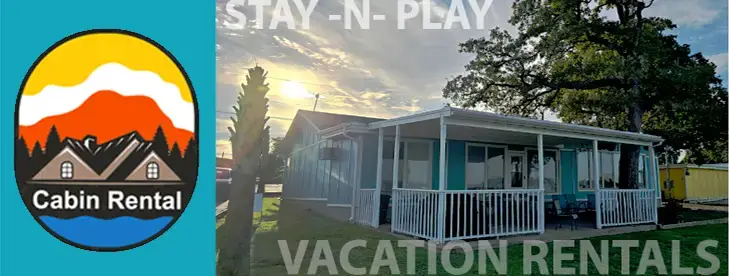
Our cozy Lakeside Cabin Rentals at Lakeview Marina are the perfect way to extend your stay at Eagle Mountain Lake. Whether you're here with a few friends or the whole crew, our cabins offer everything you need for a memorable escape—foosball, shuffleboard, docks, and more! Spend your days on the lake, and in the evenings, stroll over to The Anchor on EML (open seven days a week) or simply enjoy the lakeside sunset. Play a little longer, stay a little longer—your perfect lake getaway is here!
(Click Here) to see more details!

Looking for the ultimate pit stop before hitting Eagle Mountain Lake? Our Bait Shop & Ship Store has everything you need to turn an ordinary lake day into an epic adventure! Need a boat rental? Done. Forgot the fishing gear? We’ve got you covered. Want to chill with an ice-cold beer? It’s waiting! We even have snacks, gas, and all the essentials to keep your day going smoothly. Trust us, you won’t leave empty-handed.
Come on in, grab your gear, and get ready for a day of fun on the lake! (Click Here)

Looking for the perfect lakeside getaway? The Lakeview Marina RV Park has you covered! With spacious sites, easy access to Eagle Mountain Lake, and a boat dock right at your doorstep, it’s the ideal spot for adventure seekers. After a day on the water, unwind with a hot shower or toss a load in our on-site laundry mat. Whether you're here for a weekend or a longer stay, you’ll feel right at home with everything you need for the perfect retreat.
(Click here) to learn more and book your stay!

The Anchor at Lakeview Marina
is the ultimate place to unwind after a fun-filled day on Eagle Mountain Lake. With amazing food, a great atmosphere, and a full-service bar and grill, it’s the perfect spot for friends and family to gather. Enjoy a our lakeside views, or grab a bite for lunch or dinner, all while soaking in the lakeside atmosphere. Whether you're craving a burger or a cold drink, The Anchor on Eagle Mountain Lake has it all. Stop by for great food, fun, and entertainment! Call us at (682) 224-2295 or follow us on facebook at https://www.facebook.com/profile.php?id=61576212793049
(See the MENU for The Anchor EML) - (Click Here)




The history of Vacation Rentals Cedar Hill Texas mirrors the growth and changing lifestyle patterns of Williamson County itself. As an area that has successfully transitioned from agricultural roots to a desirable suburban destination near major metropolitan hubs, its lodging industry reflects this evolution. Understanding how short-term accommodations developed in Cedar Hill provides valuable insight into local tourism trends and market stability.
Before the proliferation of modern vacation rentals platforms, temporary housing solutions were dictated by proximity to major routes or established gathering points. In its early days, lodging was often transient—associated with passing travelers, railroad workers, and seasonal agricultural labor rather than leisure tourism. The initial accommodations served a functional need: shelter for those visiting the area’s burgeoning commercial centers.
Early forms of short-stay housing were limited to inns or boarding houses attached directly to main thoroughfares. These structures catered primarily to necessity travel. As Cedar Hill began its slow but steady development, these traditional lodging options laid the groundwork, establishing a pattern where temporary stays became viable and expected parts of local commerce.
The mid-20th century marked a significant shift in how people traveled. Increased automobile ownership meant that family road trips—and thus demand for specialized lodging outside the immediate city center—began to grow substantially across Texas. This period saw local properties adapting, moving away from purely institutional or railroad accommodations.
The concept of renting out one's home temporarily gained traction as people began spending extended time in regional destinations like Cedar Hill for holidays and family visits. While dedicated "vacation rental" markets did not yet exist digitally, the physical practice was establishing itself: property owners recognized the potential revenue stream from accommodating visitors.
As suburbs surrounding Cedar Hill expanded rapidly in later decades, so too did the need for varied and adaptable lodging. Traditional hotels sometimes struggled to keep pace with this localized demand. This created a perfect environment for homeowners to participate in short-term rentals.
The true boom in vacation rentals Cedar Hill Texas came with the advent of online platforms and digital booking methods starting in the late 20th and early 21st centuries. These technologies democratized access to local property owners, allowing them to list private homes directly to a global audience.
This transition changed the entire dynamic of Cedar Hill's lodging market:
Today, the modern vacation rentals Cedar Hill Texas market is highly sophisticated, supporting everything from corporate stays to multi-week extended visits.
The current landscape of short-term lodging in this area reflects several key trends that seasoned travelers and local experts monitor:
Modern guests seeking Cedar Hill Texas accommodations often prioritize amenities beyond just a bed. High demand exists for homes with dedicated outdoor space, full kitchens suitable for cooking meals, and reliable high-speed internet access—necessities that cater to remote work as much as leisure travel.
One of the most significant shifts is the blending of business necessity (working remotely) with pleasure. Many properties listed today are marketed not just for a holiday weekend, but for extended stays where comfort, efficiency, and local connectivity are equally important factors.
As vacation rentals Cedar Hill Texas have matured, the regulatory environment has also adapted. Local ordinances help ensure that while the market remains vibrant and flexible, it maintains harmony with existing neighborhood character and zoning laws. This stability is crucial for long-term investment in local lodging.
The journey of vacation rentals Cedar Hill Texas has been one of organic growth—moving from simple necessity shelters to a diverse, technologically integrated market segment. Looking ahead, the continued success will rely on maintaining this balance between capitalizing on tourism revenue and preserving the unique residential character that draws visitors in the first place.
Whether you are planning a short getaway or an extended stay, understanding this rich history provides context for why Cedar Hill remains such a compelling destination offering diverse choices in temporary accommodation. The evolution of these rentals continues to solidify their role as integral parts of the local economy and community life.
Planning a trip can be exciting, but choosing the right place to stay is often the most critical part of that process. Today, vacation rentals have revolutionized how travelers experience destinations worldwide. Moving beyond traditional hotel stays, these short-term accommodations offer an immersive lifestyle, allowing guests to feel like locals from day one.
Whether you are searching for a cozy cabin getaway or a sprawling beachside villa, understanding the benefits and variety within vacation rentals is key to booking your dream trip. This comprehensive guide will help demystify what makes these properties so popular among modern travelers seeking comfort, privacy, and unparalleled location experiences.
The shift toward short-term rentals reflects a desire for more space, greater autonomy, and often better value. While hotels provide convenience, vacation homes offer an entire living environment tailored to your group's needs. The advantages are numerous:
The term vacation rentals encompasses a vast array of housing types, each suited to different travel styles and budgets. Knowing what type of property you need is the first step toward securing an unforgettable trip.
Perfect for nature lovers seeking quiet escapes, cabins are nestled in forests or mountains. These short-term rentals emphasize rustic charm, wood paneling, and a deep connection to the natural environment. They offer simplicity and tranquility, making them ideal spots for hiking groups or couples needing peace.
For those dreaming of luxury coastal escapes, beachfront villas are unparalleled. These properties often boast direct beach access, private pools, and high-end amenities. Booking a villa provides the ultimate in privacy and is perfect for large family reunions or romantic getaways where relaxation is the primary goal.
If your trip focus is on exploring bustling metropolitan areas, modern condos are an excellent choice. These vacation rentals provide urban convenience—often located near public transport and key attractions—while still offering a private sanctuary at the end of the day. They balance city energy with residential comfort.
Choosing to book through quality rental platforms means you are accessing more than just four walls; you are booking an experience. The benefit often extends to local interaction and activity planning, which is a core part of modern travel research.
One major advantage of vacation rentals is the ability for groups to share resources—the kitchen, the living room, even shared outdoor fire pits. This collaborative element strengthens group bonds during trips and contributes significantly to memorable memories that photos alone cannot capture.
The flexibility offered by short-term rentals allows travelers to adapt their itinerary more easily than they might with fixed hotel bookings. Whether you need extra space for a work-from-anywhere setup or require multiple bedrooms during an extended stay, the adaptability of these homes is unmatched.
To ensure your vacation rental booking goes smoothly and exceeds expectations, keep these expert tips in mind:
In conclusion, whether you are prioritizing the rustic charm of a mountain cabin, the luxury of a beach villa, or the buzz of an urban condo, vacation rentals offer tailored solutions that elevate your travel experience. By understanding the diverse options available and focusing on what truly matters to your group dynamic—space, privacy, and local connection—you are sure to find the perfect base for creating lasting memories.
Understanding the history of vacation rentals in Cedar Hill, Texas requires looking at the significant demographic and infrastructural growth that has transformed this area. What was once a developing community near major thoroughfares now boasts an established market for short-term lodging. The story of these rental properties is intrinsically linked to Williamson County’s expanding appeal as both a residential hub and a gateway destination.
Historically, areas surrounding Cedar Hill were primarily agricultural or focused on commuter living related to larger metropolitan centers nearby. While formal tourism was not the initial driver, underlying factors—such as improved road networks and population influx—laid the groundwork. Early residential growth meant that property owners began considering supplemental income streams from their homes. This early phase of utilizing private residences for temporary stays represents the nascent stage of what would become today's robust vacation rentals Cedar Hill Texas market.
The initial demand was often localized, serving friends or family rather than professional tourism circuits. However, this foundational residential activity proved that the area possessed strong appeal and desirable real estate assets suitable for short-term renting models.
The modern boom in short-term rentals began accelerating as connectivity improved and local amenities diversified. As more people sought destinations outside densely populated urban cores, the charm, relative tranquility, and growing community feel of Cedar Hill became highly attractive to visitors seeking an authentic Texas experience. This growth marked a distinct shift from simple residential use toward professionalized tourism management.
Today's market for temporary housing is sophisticated, driven by technology platforms that connect property owners directly with travelers. The history has transitioned from ad-hoc renting to a formalized investment sector. Successful modern vacation rentals Cedar Hill Texas often incorporate luxury amenities, professional staging, and adherence to local regulations.
Investors now focus on maximizing occupancy rates through strategic pricing models tailored for seasonal peaks (such as holidays or major regional events). The sustained interest in the area confirms that demand for quality lodging remains high. Analyzing this rental history shows a clear upward trajectory of property values correlated with increasing tourist and visitor traffic.
A critical component defining short-term rentals success is location. The proximity to major employment centers, coupled with the peaceful environment unique to Cedar Hill County, gives properties a competitive edge in the broader Texas tourism landscape. This strategic positioning ensures consistent interest from both local workers needing temporary accommodations and leisure travelers seeking weekend getaways.
The history of vacation rentals in Cedar Hill, Texas is one of continuous transformation—from simple residential utility to a sophisticated economic pillar. The market reflects the broader success story of the community itself: sustainable growth coupled with an increasing appeal to outside visitors. For those considering property investment or simply understanding local lodging trends, recognizing this deep historical foundation validates the enduring and promising nature of short-term rentals in Cedar Hill.
Cedar Hill is a rapidly growing community nestled within the vibrant suburban landscape surrounding Houston and Austin metro areas. For those looking for that perfect blend of established small-town charm combined with modern amenities, Cedar Hill Texas offers an incredibly appealing lifestyle. Whether you are considering moving to the area or simply planning a weekend getaway, understanding what makes Cedar Hill such a desirable destination is key. This comprehensive guide explores the history, current offerings, and exceptional quality of life waiting for residents in this wonderful community.
The roots of Cedar Hill Texas run deep, drawing from decades of steady growth and thoughtful development. The area has managed to preserve a sense of local character while simultaneously embracing modern infrastructure improvements. This balance is one of its greatest assets.
Historically, the region developed as a key residential hub, attracting families who sought more space than found in densely populated urban centers. Over time, Cedar Hill has cultivated a strong community spirit. Local residents take great pride in their neighborhood, contributing to an atmosphere that feels welcoming and supportive. When you explore Cedar Hill Texas, you feel the blend of history with forward momentum.
The local infrastructure continually improves, ensuring that whether your interest lies in historical exploration or modern convenience, Cedar Hill meets those needs head-on. The dedication to community betterment is palpable everywhere from the meticulously maintained streets to the organized neighborhood events.
One of the most searched topics when researching Cedar Hill TX relates directly to its quality of life and real estate market. The appeal here is multifaceted, encompassing excellent local schools, manageable traffic flow compared to larger cities, and a robust job base within easy reach.
The community planning around Cedar Hill emphasizes family living. Many prospective homeowners are drawn to the available housing options—from spacious single-family homes to newer townhome developments. The emphasis remains on creating safe, walkable neighborhoods where outdoor activities can easily take place.
While the residential appeal is strong, visiting or moving to Cedar Hill means having access to numerous attractions and activities nearby. The local environment encourages outdoor exploration, making it easy for families of all ages to find entertainment.
The proximity to natural areas ensures that green space is never far away. Residents frequently utilize local parks and trails perfect for hiking, biking, or simply enjoying a picnic under the Texas sky. These open spaces are integral to the overall appeal when discussing Cedar Hill attractions.
The commercial centers within Cedar Hill provide everything needed for daily life. From local coffee shops that become gathering spots to diverse restaurants offering international cuisine, dining options cater to every palate. The shopping areas are designed for convenience, making errands a pleasant experience rather than a chore.
A significant part of the appeal in Cedar Hill Texas is its active community calendar. Local festivals, farmer’s markets, and seasonal events bring neighbors together. These gatherings reinforce that strong sense of place—the feeling that Cedar Hill truly feels like home.
The location of Cedar Hill offers excellent connectivity to major thoroughfares, making commutes manageable despite the area's continued expansion. This accessibility is crucial for professionals working in Houston or Austin while maintaining a peaceful suburban lifestyle at home.
When considering your move, potential residents should also note the robust local services available—from healthcare facilities to retail centers—all conveniently located within easy driving distance of Cedar Hill Texas proper. This logistical ease enhances daily life considerably.
Ultimately, what defines Cedar Hill Texas is its harmonious blend of elements. It offers the peace and space associated with small-town living while providing access to world-class amenities found only near major metropolitan hubs. The commitment to community growth, coupled with an undeniable sense of local pride, makes Cedar Hill a premier residential destination.
If you have been researching where to settle down in Texas, taking the time to explore Cedar Hill is highly recommended. Discovering life in this dynamic location promises both comfort and endless opportunities for growth and enjoyment.
Understanding the vacation rentals history reveals a fascinating narrative about how human travel, technology, and lodging needs have intersected over centuries. What started as simple seasonal accommodations has evolved into a multi-trillion dollar global industry. This deep dive explores the key milestones that shaped the modern market for short-term property stays.
The concept of renting temporary housing is ancient; however, the scale and accessibility provided by today's vacation rentals are products of rapid technological change. To grasp the full scope of this industry requires looking back through several distinct eras of tourism development.
Before the advent of the internet, temporary lodging was highly localized and seasonal. Early forms of rental market evolution were often tied to specific events or geographical needs. People traveling for leisure rarely had standardized options; they relied on local knowledge.
In the early days of formalized travel, boarding houses served as precursors to modern vacation rentals. These establishments offered rooms and meals to travelers passing through a town. While not strictly "vacation" focused in today's sense, they established the fundamental model: renting space on a short-term basis from an owner or operator.
The 19th century saw major infrastructure changes with the expansion of railroads across continents. This dramatically increased mobility and formalized leisure travel for middle classes. Destinations became popular, leading to dedicated seasonal accommodations—the earliest form of organized vacation rental demand.
As air travel expanded after World War II, the ability to reach distant destinations quickly fueled a massive growth in tourism. The key mechanism for connecting supply (properties) and demand (travelers), however, remained physical—through guidebooks, classified advertisements in newspapers, or local agents.
The true inflection point in vacation rentals history arrived with the widespread adoption of personal computers and the internet starting in the late 20th century.
Initially, online platforms functioned largely as digital classifieds. Property owners could list their spare rooms or entire homes on nascent websites. These early systems were crucial because they bypassed traditional gatekeepers—the established hotels and travel agents who had long dominated the lodging market.
As technology improved, specialized platforms for short-term stays began to emerge. They provided standardized booking processes, reliable payment processing, and a visible inventory that was far greater than any single person could manage locally. These early digital marketplaces professionalized the process.
Over the last two decades, vacation rentals have undergone explosive growth driven by global connectivity and shifts in consumer preference. Travelers increasingly desired local experiences over standardized hotel environments.
This maturation has also brought increased attention from regulators worldwide. The debate over local zoning laws versus the flexibility of temporary rentals continues to shape contemporary property management and legal frameworks.
The future trajectory of vacation rentals suggests several continuing trends:
In summary, the journey of vacation rentals is a mirror reflecting technological progress itself—from handwritten advertisements posted at train stations to sophisticated global booking engines operating instantly across continents. The blend of private property ownership and digital connectivity has created an incredibly dynamic sector that continues to reshape how we travel.
Exploring the vacation rentals history reveals a fascinating evolution of human travel and accommodation needs. Far from being purely an internet phenomenon, the concept of temporary lodging has roots stretching back millennia. Understanding this history of short-term rentals provides crucial context for how the modern tourism industry operates.
While we use the term "vacation rental" today to describe a highly digitized service, the underlying need—a place to stay temporarily away from home—is ancient. Early forms of temporary lodging were often tied to necessity rather than leisure. Pilgrimages required overnight stays in roadside inns or guesthouses established along major trade routes. These early establishments served as basic accommodations for travelers passing through.
These foundational structures prove that the desire for non-permanent, affordable housing away from one's primary residence is a consistent human pattern. The initial iterations of vacation rentals history were driven by commerce and necessity rather than modern leisure travel.
During the medieval and early modern periods, inns became formalized centers for rest and trade. They functioned as much more than just bedrooms; they offered services—food, meeting places, and rudimentary security—to traveling merchants and nobility. The structure of these inns laid the groundwork for commercial lodging.
A massive turning point in vacation rentals history occurred during the Industrial Revolution. As industrialization allowed a growing middle class with disposable income, leisure travel became accessible for the first time to many people. This led directly to the popularization of seaside resorts.
The Victorian era saw dedicated infrastructure built entirely around pleasure and temporary residence. Towns like Brighton or Blackpool developed specialized hotels and boarding houses designed solely for visitors escaping city pollution and routine life. These locations formalized the concept of a "vacation destination," separate from permanent residency, greatly influencing modern travel patterns.
The 20th century accelerated this trend through two key inventions: reliable automobiles and commercial air travel. The car allowed people to visit destinations previously unreachable by rail or foot, making the concept of multiple temporary homes appealing. This period saw a dichotomy in lodging:
The true catalyst that created the modern vacation rentals history market was the internet. Before dedicated online platforms existed, finding a private rental required local knowledge, travel agents, or expensive classified ads. The advent of global booking websites fundamentally changed access.
Platforms like Airbnb and Vrbo digitized trust and logistics. They connected property owners who had vacant homes with travelers seeking authentic, residential experiences rather than institutional hotel stays. This shift redefined the meaning of a "vacation rental," moving it from merely an alternative to luxury hotels to becoming a global standard for temporary accommodation.
The history of vacation rentals shows a clear trajectory: from basic necessity (pilgrimage) to commercial leisure (Victorian resorts), and finally, to hyper-personalized digital access. Today's short-term rental market reflects the modern traveler’s desire for local immersion—the feeling of living in a community temporarily rather than simply staying within an isolated hotel bubble.
This evolution solidifies that vacation rentals are not just accommodation; they represent changing cultural expectations regarding how people choose to experience freedom and temporary home away from home. Keywords like "short-term lodging," "temporary housing history," and the modern market leader, Airbnb's impact on travel remain central topics in tourism studies.
Exploring the rich tapestry of Cedar Hill Texas history reveals a narrative woven from pioneer grit, agricultural resilience, and deep community spirit. To understand modern Cedar Hill is to delve into decades of transformation—from its humble beginnings as an isolated rural settlement to becoming the vibrant place it is today. The story of this region provides a detailed look at how small communities adapt and thrive within the vast expanse of Texas.
Like many towns in Central Texas, the initial development around what would become Cedar Hill was deeply tied to natural resources and westward expansion. Before formal settlement solidified a cohesive community structure, the area experienced periods dominated by ranching, farming, and transient populations drawn by new opportunities across the frontier. The earliest inhabitants were primarily pioneers seeking fertile land and self-sufficiency.
Early life in this region was characterized by rugged independence. Families established homesteads that relied heavily on local agriculture—growing crops suited to the Texas climate while raising livestock. These early settlers faced significant challenges, including unpredictable weather patterns, isolation from major markets, and the constant effort required simply to build a sustainable existence. Understanding these initial struggles is key to appreciating the dedication inherent in Cedar Hill's enduring spirit.
The pioneers who settled this land were masters of adaptation. Their daily lives revolved around seasonal cycles, community mutual aid, and developing infrastructure where none previously existed. The formation of local governing structures was a gradual process, driven by necessity rather than grand plans.
A major turning point in Cedar Hill Texas history occurred with improvements to transportation networks. As railroads expanded their reach into central Texas during the late 19th and early 20th centuries, isolated settlements found themselves suddenly connected to booming regional economies. This influx of commerce changed everything.
The arrival of rail lines meant that agricultural goods could be sold further afield, allowing local farmers to become more prosperous. Merchants followed these tracks, establishing general stores, post offices, and service industries necessary for a growing population. The physical layout of the town began to solidify around these commercial hubs, marking its transition from a collection of farmsteads into an organized community center.
This period saw rapid growth in both commerce and demographics. People were drawn not just by available land, but by opportunity—the promise that Cedar Hill could be more than just another stop on the frontier; it was becoming a destination with potential for future prosperity.
For much of its history, agriculture has been the undisputed backbone supporting life in Cedar Hill. Farming techniques evolved dramatically over time, moving from subsistence farming to more commercially viable operations. Crops such as cotton and various grains became staples, determining market success and shaping local labor patterns.
The ability of the community to adapt its agricultural focus—whether responding to changes in commodity prices or adopting new technologies like mechanized farming equipment—has been central to maintaining economic stability throughout Cedar Hill Texas history. Local cooperative efforts among farmers also played a vital role, ensuring that even small operations could navigate fluctuating market demands.
While the economy shifted over the decades—with some traditional industries declining or moving away—the core commitment to community life remained strong. The development of educational institutions, churches, and civic organizations served not only spiritual or intellectual needs but also acted as essential anchors during times of economic uncertainty.
The modern era has seen Cedar Hill embrace diversification. Today's economy benefits from its location within a growing metropolitan area while maintaining the distinct character derived from its deep past. This blending of heritage and modernity is perhaps the greatest testament to the community’s resilience, showing how it honors its roots while looking toward contemporary growth.
The comprehensive journey through Cedar Hill Texas history illustrates a powerful lesson: that endurance comes not just from physical resources, but from social cohesion. The people who built this area—from the first pioneering families to today's residents—have consistently demonstrated an ability to work together and adapt their way into prosperity.
Studying the trajectory of Cedar Hill provides a valuable case study in American small-town development, showing how grit, resourcefulness, and community spirit combine over generations. The deep roots embedded within this area continue to define its unique character today, making an exploration of Cedar Hill Texas history both informative and inspiring.
Exploring the rich Cedar Hill Texas history reveals a fascinating narrative of pioneering spirit, agricultural development, and significant residential expansion within the greater Austin metropolitan area. The story of Cedar Hill is deeply interwoven with the broader cultural and geographical evolution of Central Texas.
Understanding Cedar Hill TX history requires looking back to its frontier beginnings. Like many communities surrounding major population centers, early life here was centered around resource management—namely agriculture and ranching. While the area has undergone massive growth, its initial settlement pattern reflects a connection to Texas's agricultural past.
The earliest inhabitants were pioneers drawn by the fertile land of Central Texas. These settlers established small homesteads, making their lives dependent on farming staples such as cotton and cattle grazing. The establishment of rudimentary local infrastructure was key during this period, connecting isolated ranches and farms to larger regional trade routes.
For much of its early history, the identity of Cedar Hill revolved around agrarian pursuits. Local records detailing Cedar Hill Texas history often mention specific farming families who laid down deep roots in the soil. The economy was localized and robustly tied to natural resources. This period shaped a strong sense of community interdependence that persists even today.
The transformation of Cedar Hill from a primarily rural farming community into the thriving suburb it is known as today represents one of the most dramatic chapters in its Texas history. This shift was spurred by several factors, including improved transportation networks (roads connecting it more closely to Austin) and changes in economic demographics.
As population density increased across Central Texas, areas like Cedar Hill became highly desirable locations for residential development. The need for housing spurred developers and new industries into the area. This period marked a significant pivot point where agricultural land began giving way to modern suburban layouts.
Today's Cedar Hill Texas history is defined by rapid, planned growth while attempting to retain historical character. The community has successfully integrated commercial centers, educational institutions, and diverse housing options into a cohesive whole. This careful balance between preserving the historic feel and accommodating modern needs defines its current appeal.
Several elements contribute significantly to what makes studying Cedar Hill Texas history so interesting:
In conclusion, a comprehensive look at Cedar Hill Texas history shows not just the passage of time, but a successful evolution from an agricultural frontier outpost into a vibrant, modern community within one of the fastest-growing regions in the United States.
Understanding the evolution of vacation rentals in Cedar Hill TX requires looking beyond just modern platforms like Airbnb and Vrbo. The history of lodging and temporary housing in this vibrant part of Williamson County mirrors the broader growth story of the region itself—a tale of community development meeting increasing tourism demand.
Before vacation rentals became a global digital phenomenon, travel to Cedar Hill was dictated by rail lines and local inns. Historically, temporary lodging catered primarily to transient workers, government officials passing through, or families visiting neighbors in the rapidly expanding Dallas-Austin corridor. These early establishments were less about "getaway" experiences and more about basic accommodation for travelers making a necessary stop.
The initial demand was driven by proximity to major thoroughfares connecting Texas's population centers. While not strictly what we define as modern short-term rental market options, these early inns established the core concept: paying for temporary stays in private dwellings or dedicated hospitality spaces within Cedar Hill.
As automobile travel became normalized throughout the mid-20th century, so did tourism. Local businesses began to recognize that people were coming specifically *to* Cedar Hill for leisure, not just passing through it. This period saw a shift from purely functional lodging towards dedicated hospitality services.
This era marked a critical turning point where lodging became integral to local economic growth, laying groundwork for future property trends in cedar hill.
The true boom cycle for vacation rentals began with the advent of digital platforms. What was once limited to traditional hotels and motels suddenly gained a massive decentralized marketplace. This technological shift allowed homeowners, rather than just large corporations, to participate in the short-term rental market.
Today’s landscape is vastly different from early lodging history. Guests searching for vacation rentals Cedar Hill TX are looking for unique experiences—a chance to live like a local resident for a week or two. This desire for authentic, personalized stays has fueled the rapid growth and complexity of property management in Williamson County.
The proliferation of short-term rental properties is not just an economic story; it's a community one. The influx of temporary residents changes neighborhood dynamics, requiring local governance to adapt zoning laws and regulations. Understanding this history helps property owners and renters alike appreciate how the modern market operates within established residential areas.
The success of vacation rentals has necessitated better infrastructure planning, from parking management to waste removal—all reflecting increased tourist activity in Cedar Hill that was unimaginable decades ago.
What makes the current market unique compared to its historical roots? It’s flexibility and experience. Modern renters are less interested solely in a bed and breakfast; they seek immersion into the local culture of Cedar Hill TX.
The history of vacation rentals in Cedar Hill TX is a compelling narrative that moves from simple roadside inns to sophisticated global platforms. It demonstrates how the community has successfully navigated technological change while maintaining its appeal as a desirable place for temporary stays.
For anyone considering investing, renting, or simply visiting, understanding this rich history provides context: Cedar Hill TX is not just capitalizing on trends; it is building upon decades of accumulated desirability and connectivity. The future of lodging in the area remains bright, continuing to attract both short-term tourists and long-term residents alike.
Planning a trip requires careful thought, but when it comes to where you stay, choosing the right accommodations can make or break the entire experience. Vacation rentals have revolutionized the travel industry, offering guests something far more personalized and often more spacious than traditional hotels. Whether you are planning a quick weekend escape or an extended family vacation, understanding how and why to book quality vacation home rentals is key to maximizing your trip enjoyment.
One of the most significant advantages of opting for vacation rentals lies in their ability to offer a true sense of "home away from home." Unlike standardized hotel rooms, these properties are designed with local living and comfort in mind. This difference affects everything from the kitchen amenities to the overall atmosphere.
When booking rental properties through platforms specializing in vacation stays, you gain access to entire homes or apartments. This means multiple bedrooms for larger groups, fully equipped kitchens allowing you to cook local meals rather than eating out every night, and often private outdoor spaces like patios or balconies.
Staying within a dedicated vacation rental neighborhood allows travelers to feel more integrated into the destination. You are not just passing through; you become part of the community. This authentic experience is unmatched by staying in large, centralized hotel complexes. Choosing local accommodations means discovering hidden gems and supporting local economies.
One common misconception about vacation rentals is that they are all the same. In reality, this market is incredibly diverse. By knowing what type of lodging suits your group size and travel style, you can significantly narrow down your search for perfect getaway stays.
Perfect for urban travelers or those who want to be close to city action without the commitment of a full house rental. These short-term accommodations typically offer modern amenities and easy access to public transportation, making them excellent bases for exploring major metropolitan areas.
This is often ideal for large families or groups needing privacy. A whole detached home provides maximum space and the greatest feeling of seclusion. Villas in tropical destinations offer unparalleled luxury and dedicated private amenities, making them top-tier vacation rentals.
For adventure seekers or couples looking for a memorable experience, unique stays are available everywhere from luxurious treehouse lodging to historic lofts. These options elevate the stay into an event in itself and make booking your vacation rental feel like part of the excitement.
To ensure that your search yields only high-quality, reliable accommodations, follow these expert tips when comparing different types of rental properties. The goal is always to find a balance between location convenience and comfort amenities.
Be aware that pricing and availability for vacation rentals fluctuate dramatically based on season, local festivals, and holidays. Booking well in advance is almost always recommended, especially if your preferred destination offers popular getaway stays.
When traveling with a group or family unit, the cost-effectiveness of vacation rentals often surpasses that of booking multiple hotel rooms. By renting one larger space equipped for cooking and living, you can manage meal costs significantly better than if everyone were dining out nightly.
Furthermore, many modern rental properties come with community amenities such as pools or shared recreation areas, providing entertainment value without needing to pay daily resort fees associated with some hotel stays. This holistic approach makes booking quality vacation home rentals a smart financial choice for any group size.
Choosing the perfect destination is only half the journey; choosing the right lodging elevates the entire experience. By understanding the benefits, types, and best practices associated with booking vacation rentals, you are well-equipped to find a comfortable, authentic, and memorable base for your travels. Whether it's an urban apartment or a secluded villa getaway, selecting from the vast inventory of reliable short-term accommodations guarantees that your next trip will feel less like just another stay—and more like coming home.


