Exploring the Rich Corinth Texas Marina History and Boating Traditions
Corinth, Texas has long been synonymous with waterfront living and recreational boating. Understanding the marina history of this area is crucial to appreciating its unique blend of natural beauty and human development. The evolution of these marinas reflects not only changes in technology but also shifts in local lifestyle, drawing people from across the Gulf Coast region who are passionate about water recreation.
The Early Days: Establishing Corinth's Connection to Water
Before modern marina infrastructure existed, the waters surrounding Corinth were vital for subsistence. Historically, boat traffic was essential for fishing and trade. The early development of docking facilities centered on natural coves and river access points. These initial landing spots laid the groundwork for what would eventually become sophisticated marinas today. Early boater activity focused heavily on local catches and small-scale transport along coastal routes.
The establishment of a formal marina structure required significant investment, transforming simple docks into organized hubs for pleasure boating. This transition marked a pivotal point in Corinth's growth as a recreational destination. The demand for safe mooring areas and repair services fueled the early development stages of these essential maritime facilities.
Mid-Century Development: Growth and Modernization
As automobile ownership increased and leisure time became more accessible, so did the need for larger marinas in Corinth Texas. This mid-20th century period saw rapid growth in local boating culture. Marinas began to transition from basic docking points into full service centers offering fuel, supplies, maintenance, and educational services.
The infrastructure improvements during this era were transformative. Deeper channels were dredged, and permanent pier structures replaced temporary wooden docks. These developments allowed for the accommodation of larger vessels—from sport fishing boats to sizable yachts—significantly expanding the scope of boating enjoyed by residents and visitors alike. The local economy became increasingly tied to the thriving marina industry.
The Modern Corinth Marina Experience
Today's marinas in Corinth, Texas represent a culmination of decades of maritime development. They are sophisticated complexes designed to cater to diverse needs, from seasonal runabout boat owners to full-time commercial fishing operators. The current state of the marina is heavily influenced by modern environmental considerations and advanced safety protocols.
When exploring the contemporary Corinth Texas marine facilities, visitors can observe specialized services, including slip rentals for various vessel sizes, comprehensive repair shops that handle everything from engine overhauls to hull painting, and extensive storage options. This level of service underscores how important these marinas are to maintaining a vibrant local boating culture.
Key Components Defining Corinth's Marina Culture
The enduring appeal of the marina in Corinth is rooted in several key elements that define its history and ongoing success:
- Natural Setting: The beautiful Texas waterways provide a constant draw, making boating an integral part of local life.
- Community Focus: Marinas serve as social hubs, fostering community among boat owners who share a passion for the water. This strong sense of shared activity is central to Corinth's identity.
- Adaptability: The history shows continuous adaptation—from simple fishing docks to complex luxury marinas capable of handling diverse vessel types and recreational activities.
Sustainability and Future Growth in Marina Development
Looking ahead, the future marina development surrounding Corinth Texas emphasizes sustainability alongside capacity growth. Modern planning incorporates eco-friendly practices, focusing on minimizing environmental impact while maximizing boater utility. Efforts are constantly made to balance commercial needs with ecological preservation.
The continued success of these marinas relies heavily on preserving their rich history while embracing technological advancements in boating and maritime services. Whether you are interested in the historical significance of early Corinth boat landings or utilizing a state-of-the-art slip today, understanding this deep marina history enriches every visit.
Tips for Boaters Exploring Marina History
To truly appreciate the depth of the Corinth Texas marina history during your next visit:
- Observe Infrastructure: Notice how different sections of the modern docks reflect various eras of development.
- Speak with Locals: Many long-time boat owners and service workers are keepers of oral histories about early boating life in Corinth.
- Explore Local Exhibits: Check for local museums or historical societies that feature artifacts related to coastal Texas maritime history, connecting the past marina use to present facilities.
Exploring the World of Marinas: A Comprehensive Guide
A marina is much more than just a collection of docks; it is an entire ecosystem where watercraft, recreation, and community intersect. For anyone interested in boating, coastal living, or maritime activities, understanding what makes up a modern marina experience is essential. Whether you are looking for secure boat storage or planning your next grand voyage, the features offered by a well-maintained marina make it an indispensable destination.
This comprehensive guide dives deep into everything that defines a premier coastal location: the structure of marinas, the lifestyle they enable, and the vital services they provide to boat owners. We will explore why choosing the right marina can transform your boating journey from simple travel to true maritime adventure.
What Exactly Is a Marina? Understanding Coastal Infrastructure
At its core, a marina is an artificial harbor designed specifically for docking and servicing pleasure boats and commercial vessels. Unlike natural harbors that are governed by geography alone, marinas involve significant human engineering—docks, slips, protective breakwaters, and utility hookups.
The Functionality of Marina Slips
One key component you will encounter is the slip. A marina provides various types of boat docking spaces. These include fixed slips (permanent moorings), floating docks that rise and fall with tide changes, and transient slips for short-term visitors. The efficiency and safety provided by these structured docking systems are what allow thousands of boats to safely operate year-round.
Beyond Docking: Marina Facilities
Modern marinas incorporate extensive support infrastructure. These facilities include electricity hookups, fresh water access for cleaning vessels, waste disposal stations, and often dedicated buildings housing chandleries (suppliers of marine goods) and boat repair workshops. This centralization means that almost every need associated with owning a vessel can be met right at the marina.
The Lifestyle: Embracing Marina Life
For many enthusiasts, the appeal of a marina goes far beyond just having a place to park their boats. It represents an entire way of life—the freedom and community inherent in "marina life."
- Recreational Boating: Marinas are gateways to open water. They provide safe launching points, allowing boat owners immediate access to fishing grounds, swimming areas, or scenic routes along the coast.
- Community Hubs: Many marina communities foster a strong sense of camaraderie among boat owners. Local events, social gatherings, and organized excursions help build lasting maritime friendships.
- Water Sports Variety: The surrounding area often supports multiple water activities beyond cruising, such as kayaking, paddleboarding, jet-skiing, and diving, making the marina a year-round recreation destination.
Essential Services Offered at Professional Marinas
A successful marina acts like a nautical service center for its residents. The range of services available dictates how comfortable boat owners can feel knowing their vessel is properly cared for while they are away.
Boat Storage and Winterization
One of the most critical services offered by any reputable marina is secure, long-term storage. Boat ownership requires proper care during off-seasons. Marinas provide enclosed boat storage options and expert winterization services to protect hulls from temperature fluctuations and corrosion.
Maintenance and Repairs
When your vessel needs attention, the local marina is typically where you find specialized expertise. This includes engine repair shops for diesel or gasoline motors, fiberglass restoration experts, rigging specialists, and general mechanical workshops. Having these resources nearby ensures minimal downtime when repairs are necessary.
Fueling and Supplies
Access to reliable fueling services (diesel, gas) is non-negotiable at a marina. Furthermore, the availability of marine supplies—from ropes and anchors to cleaning chemicals—ensures that boat owners can always prepare for their next outing.
Tips for Choosing Your Ideal Marina
Because so many factors contribute to your overall boating experience, selecting the perfect marina requires careful consideration. Do not simply choose based on proximity; evaluate the entire facility's suitability for your needs and boat size.
Consider Security Measures
Security is paramount when entrusting a valuable asset like a vessel to another party. Look for marinas that offer gated access, surveillance systems, dedicated security patrols, and secure overnight docking options.
Assess Accessibility and Depth
Ensure the marina can accommodate your boat's draft (how deep it sits in water). Also check local tide charts; a good marina manages its slips to minimize impact from tidal changes. Easy vehicular access for hauling boats out is another crucial factor.
Evaluate Community Vibe
Does the marina cater to your style? Is it primarily geared toward large luxury yachts, or does it host smaller recreational fishing vessels? The overall atmosphere and community feel will significantly impact how enjoyable your time in the area becomes. A vibrant, helpful local marina often feels like a second home.
Conclusion: Your Gateway to Coastal Adventures
Ultimately, whether you are an experienced deep
The Rich Corinth Marina History of Texas
Exploring the Corinth marina history reveals a deep connection between human settlement and the vital waterways that define this area of central Texas. The development of any significant waterfront facility is intrinsically linked to regional commerce, resource access, and recreational growth. For decades, the marinas serving Corinth have played critical roles in supporting everything from early agricultural shipping to modern leisure boating.
Early Influences on Waterfront Development
The story of Corinth marina history begins long before it was a recognized boater destination. Historically, this location benefited from natural waterways that served as essential arteries for trade and movement. Early settlers relied heavily on these routes, making the development of docking points crucial to local economic stability. Initial waterfront activities were less about recreational marinas and more focused on practical needs: loading goods, transferring passengers, and supporting early industrial endeavors.
The Dawn of Commercial Boating Facilities
As transportation methods evolved in Texas, so did the facilities along Corinth's shores. The initial commercial boathouses and docks were vital infrastructure points. These early structures supported steam-powered vessels and riverboats that transported goods like lumber, cotton, and local produce. Understanding this foundational period is key to grasping the full scope of Corinth marina history; it shows a transition from purely utilitarian function to one incorporating leisure.
Evolution Through Eras: From Industry to Recreation
The most dramatic shift in the area's waterfront development occurred with changes in technology and lifestyle. As rail transport became dominant, some commercial functions shifted away from riverfront docking. However, this did not diminish the waterways’ importance; instead, it paved the way for recreational boating.
Mid-Century Growth and Modern Marina Infrastructure
The mid-20th century marked a significant turning point in Corinth marina history. As leisure time increased among Texas residents, demand grew for organized boating facilities. The infrastructure expanded to accommodate pleasure craft of all sizes. These modern marinas provided not just docking space but also supporting amenities like fuel services, repair shops, and retail outlets necessary for the thriving recreational boating community that exists today.
Key Elements Defining Corinth's Marina Heritage
A comprehensive view of Corinth marina history must consider several defining elements: conservation efforts, architectural evolution, and economic adaptation. The preservation of historic dock structures alongside modern luxury facilities creates a unique cultural landscape along the Texas waterfront. Local historical societies often maintain records detailing changes in these key areas.
- The Role of Natural Resources: Water levels, river flow patterns, and local ecology have always dictated how large-scale marina operations could function effectively.
- Community Hub Status: Over time, the waterfront has transformed into a social gathering place—a testament to its enduring appeal regardless of economic cycles or technological changes.
Conclusion on Corinth Marina History
The Corinth marina history is therefore not just a story about boats; it is a narrative reflecting Texas’s own journey through industrialization, modernization, and the sustained appreciation for natural beauty. The continuous evolution of these waterfront facilities ensures that they remain vital cultural touchstones in Corinth today.
Discovering Corinth Texas: A Charming Deep Dive into Local Life
When considering where to spend time in North Texas, Corinth Texas offers a unique blend of small-town charm and surprising local depth. Often overlooked by those seeking major metropolitan hubs, this community provides an authentic experience, drawing visitors with its historical roots, welcoming atmosphere, and commitment to preserving its distinctive character. If you are planning a trip or simply researching delightful places near Dallas, understanding the appeal of Corinth Texas is key.
The Rich History Behind Corinth Texas
To truly appreciate modern-day life in Corinth Texas, one must look back at its storied past. The town’s history is intertwined with regional development and pivotal moments in North Texas history. Unlike newer developments that lack deep roots, Corinth boasts a heritage that speaks to decades of community building. Exploring the historical markers and architecture around downtown gives visitors a palpable sense of time passing—a peaceful contrast to fast-paced life.
The original settlement laid down foundational elements for what it is today: a stable, charming locale focused on local commerce and neighborly interaction. This enduring spirit makes Corinth Texas feel less like merely passing through and more like arriving at a destination with soul.
Must-See Attractions When You Visit Corinth Texas
Planning activities in Corinth TX can be straightforward because many of the best "things to do" involve simply wandering, exploring local businesses, and enjoying the community atmosphere. Whether you are interested in history buffs or food enthusiasts, there is something for everyone.
Exploring Downtown Corinth
The heart of Corinth Texas beats strongest in its downtown district. Here, visitors can browse unique local boutiques that feature handmade goods, vintage finds, and regional art. The main thoroughfares are designed to encourage strolling, making it a perfect place for an afternoon wander.
Local Parks and Green Spaces
For those seeking outdoor relaxation, the various parks surrounding Corinth Texas offer beautiful backdrops for family outings or quiet contemplation. These green spaces provide ample opportunity for picnicking, dog walking, and simply enjoying a peaceful day away from city noise.
Culinary Delights: What to Eat in Corinth TX
A significant part of the appeal when people decide to visit Corinth Texas is often tied directly to its dining scene. The culinary landscape here reflects local pride—a mix of classic comfort food and modern, inventive cuisine.
- Local Bakeries: These establishments are famous for their fresh morning goods and unique pastries, making them a must-stop first thing in the day.
- Regional Dining Spots: From traditional Texas BBQ to contemporary American fare, local restaurants emphasize fresh ingredients sourced from nearby farms, enhancing your overall experience of Corinth TX.
Beyond Sightseeing: The Culture of Corinth
The real magic of Corinth Texas often lies in its community spirit. Locals are known for their warmth and willingness to share the story of their hometown. To get a true understanding, consider attending one of the local events.
- Farmers Markets: These weekly gatherings connect visitors directly with regional agriculture, allowing you to sample fresh produce straight from the source.
- Community Festivals: Depending on the time of year, Corinth hosts various festivals—from seasonal celebrations to historical reenactments—each offering a deep dive into local traditions and culture.
Planning Your Trip To Corinthians Texas
Making plans to visit Corinth Texas is simple. The town's central location within North Texas makes it accessible by car from major nearby routes, allowing for easy day trips or extended stays.
When packing your itinerary around Corinth TX, remember that the best travel pace here is slow and deliberate. Take time to sit in a coffee shop, browse without rushing through local shops, and listen to the stories shared by residents. This relaxed approach enhances all of the "things to do" list.
In conclusion, Corinth Texas stands out as more than just a point on the map; it is an experience defined by history, community warmth, and quiet charm. Whether you are passing through or making it your weekend getaway destination, exploring Corinth offers genuine connection and relaxation in North Texas.
Understanding Marina History and Evolution
For those fascinated by nautical life, understanding marina history reveals a story of human ingenuity, technological advancement, and changing recreational habits. A modern marina is far more than just floating docks; it represents centuries of adaptation in waterfront management and boating infrastructure development. Tracing the evolution from simple river landings to complex commercial hubs helps us understand how deeply integrated maritime activity has been into civilization itself.
The study of marina history shows a clear progression: necessity first, then commerce, and finally leisure. This long journey reflects global changes in travel methods and economic power structures.
Early Docking Methods: The Pre-Industrial Waterfront
Before the concept of formalized marinas existed, docking was inherently organic and localized. Early human settlements relied on natural harbors—sheltered bays or river mouths that provided protection from rough seas. These early waterfronts served primarily as points for trade and survival.
The Necessity of Natural Harbors
- Initial Function: The earliest "docking facilities" were simply beaches, sandbars, or natural coves suitable for grounding vessels.
- Primitive Structures: As settlements grew, simple jetties made from logs and local timber were constructed to allow loading and unloading of goods without having to beach the vessel entirely. These early structures marked the beginning of organized nautical infrastructure development.
These initial docking methods prove that even rudimentary waterfront access was crucial for sustaining trade routes, forming the very foundation upon which modern marinas are built.
The Rise of Commercial Marinas: Industrialization and Scale
With the advent of large-scale global trade during the industrial revolution, the demands on docking facilities increased exponentially. Ships were larger, cargo volumes multiplied, and centralized points for maritime exchange became vital economic assets.
The Shift from Trade to Structure
This era saw significant advances in civil engineering applied to waterways. Instead of relying solely on natural geography, engineers began designing purpose-built docking structures capable of handling massive vessels like steamships and early cargo freighters. The need for organized storage, repair facilities, and formalized customs checkpoints led directly to the development of large commercial port complexes that are precursors to today's mega-marinas.
The ability to manage tidal changes and create deep drafts reliably became a major technological achievement during this period, dramatically improving efficiency in global shipping routes. The boating industry evolution was tied directly to the capacity of these commercial centers.
Leisure Boating and Modern Marina Design
A massive shift occurred around the mid-20th century with improved engine technology, increased personal wealth, and a growing cultural emphasis on leisure time. Suddenly, owning a recreational boat became accessible to more people, leading directly to the specialized modern marina.
Specialization in Recreational Waterfronts
Unlike commercial ports focused solely on cargo throughput, these new marinas were designed around accommodating pleasure craft—yachts, fishing boats, and smaller cruising vessels. This required different infrastructure considerations:
- Slip Design: The need for individual, secure slips rather than massive bulk loading areas became paramount.
- Utilities Integration: Modern marina history highlights the integration of utilities—fresh water hookups, electricity pedestals, and sewage disposal systems—directly into the physical slip structure. This level of amenity is a hallmark of modern boating life.
The focus shifted from mere utility to comfort and accessibility, setting the template for contemporary modern marina design.
Technological Advancements Shaping Today’s Marinas
Today's marinas are sophisticated hubs that blend historical structural needs with cutting-edge technology. The evolution continues even now in areas like sustainable energy management and advanced vessel monitoring systems.
Sustainability and Future Trends
- Environmental Focus: Modern planning emphasizes minimizing environmental impact, incorporating better waste filtration and promoting eco-friendly boating practices.
- Smart Infrastructure: Digital booking, remote utility control for slips, and integrated security systems represent the latest frontier in nautical infrastructure development. These technologies streamline operations and enhance safety across all levels of maritime activity.
Understanding this deep dive into marina history—from simple riverside landings to complex smart-docking facilities—provides context for appreciating both the engineering marvels and the cultural significance these waterfront communities hold.
Conclusion: The Enduring Importance of Waterfront Hubs
The marina history is a powerful reflection of human ingenuity. What began as basic river access has transformed into global centers supporting everything from essential commerce to profound personal recreation. As technology continues to advance, marinas will undoubtedly continue their evolution, remaining vital arteries connecting communities with the vast expanse of water.
Understanding Marina History: A Deep Dive into Maritime Evolution
To truly appreciate modern boating facilities, one must explore the rich marina history. Far from being mere collections of docks, marinas represent centuries of evolving human ingenuity in connecting land and water. The story of a marina is essentially the narrative of maritime commerce, recreational growth, and technological advancement itself.
The concept of docking has roots that stretch back millennia. Understanding marina history requires looking beyond steel pilings; it starts with natural geography and human adaptation to coastal resources.
Early Foundations: Natural Harbors and Ancient Docking
Before the Modern Marina
In antiquity, a "marina" was simply an ideal deep-water harbor. The earliest examples of organized boat docking were not built structures but naturally protected coves or river mouths—locations that offered shelter from harsh weather. These natural harbors served as vital trade hubs for ancient civilizations.
The Evolution of Early Docking Methods
As human populations grew, so did the need for more reliable infrastructure. The earliest attempts at artificial docking involved simple jetties and slipways constructed from local timbers. This early development marked a crucial step in marina history: moving beyond mere temporary stopping points to semi-permanent commercial facilities.
The Industrial Revolution's Impact on Marina Development
The industrial age fundamentally transformed the scale, materials, and complexity of coastal docking infrastructure. The ability to mass-produce iron, steel, and advanced lumber allowed builders to create structures far larger and more resilient than anything built previously.
- Material Science: Steel replaced wood as the primary structural material for large piers and bulkheads, allowing marinas to accommodate much deeper drafts and heavier vessels.
- Commercialization: The growth of global trade fueled demand for specialized docking areas designed not just for shelter, but for efficient loading, unloading, maintenance, and repair services. This marked a critical transition point in marina history from simple port function to complex service hub.
The Rise of Recreational Boating: Modern Marina History
Perhaps the most significant shift documented in modern marina history is the explosion of recreational boating starting in the early-to-mid 20th century. As leisure time increased and boat manufacturing improved, marinas had to adapt from purely commercial ports into sophisticated service centers for pleasure craft.
From Commerce Port to Leisure Destination
The modern marina must satisfy diverse needs: slip storage, fueling stations, waste management facilities, repair workshops, and even retail amenities. This diversification has driven intense innovation in facility design over the last several decades. The focus shifted from maximizing cargo throughput to providing optimal user experience for boat owners.
Key Developments Shaping Today's Marinas
- Advanced Slip Systems: Modern marinas utilize complex floating dock systems (like fixed-finger piers and modular docks) that can adjust with fluctuating tides, a massive improvement over older wooden pilings.
- Safety Infrastructure: The inclusion of sophisticated navigational aids, emergency services integration, and stringent safety protocols became standard requirements throughout the evolution of marina history.
Sustainability and Future Marina Trends
Contemporary developments in marina infrastructure are heavily influenced by environmental responsibility. Modern sustainable practices represent the newest chapter in this long and complex marina history.
- Environmental Mitigation: New marinas incorporate advanced wastewater treatment, manage runoff pollution, and utilize materials that minimize ecological impact on sensitive coastal habitats.
- Smart Technology Integration: We are seeing the integration of digital booking systems, remote monitoring for dock conditions, and optimized energy usage within marina facilities themselves. This technological backbone continues to redefine what a modern port can achieve.
In summary, marina history is not just about boats; it chronicles humanity's continuous quest for safe passage and efficient connection between land-based economies and the immense resources of the sea.
Exploring the Rich Corinth Texas History
To understand a community is to delve into its past, and nowhere is that history more layered than in Corinth, Texas. The Corinth Texas history narrative is one of resilience, adaptation, and deep connection to the vast expanse of the American frontier. From early indigenous populations passing through these lands to established settlements during periods of rapid growth, the story of Corinth reflects the broader development of West Texas itself. Exploring this rich heritage offers a unique window into how Texan life unfolded over generations.
The Early Foundations and Settlement in Corinth TX
The earliest inhabitants of the region were part of complex indigenous cultures whose presence predates written records. As European influence grew, subsequent waves of settlers arrived, drawn by the promise of fertile land and new opportunities. The settlement of Corinth Texas was not a single event but rather an ongoing process influenced by trade routes and geopolitical shifts.
During the early days in Corinth TX, life revolved around subsistence farming and adapting to the harsh yet beautiful environment. Early settlers faced challenges common across the Texan frontier: unpredictable weather, establishing reliable water sources, and building a community from scratch. The initial structures were simple, reflecting a hardy spirit determined to stake a claim on this corner of Texas.
The establishment required cooperation, leading early residents to develop strong communal bonds that remain foundational pillars of the modern town's character. Understanding these challenging beginnings is key to appreciating the enduring nature of Corinth.
Economic Growth and Development Through Time
As time progressed, Corinth Texas history began to take on a distinctly commercial flavor. The arrival of railroads and improved ranching techniques dramatically altered the economic landscape. These developments allowed local agriculture—particularly cattle raising and grain cultivation—to reach new levels of sophistication.
The Impact of Agriculture
Agriculture was, for decades, the backbone of Corinth's economy. Local farmers became skilled stewards of the land, developing unique methods to thrive in Texas’ diverse climate zones. The prosperity generated by these agricultural endeavors funded further growth and attracted more people seeking economic stability.
Trade Routes and Community Building
The role of trade routes cannot be overstated when discussing Corinth TX history. As a point on major pathways, the community became an essential hub for goods moving through West Texas. This constant flow of commerce ensured that Corinth remained vital, fostering diverse trades from blacksmithing to mercantile operations.
Cultural Shifts and Modern Life in Corinth
Over time, Corinth evolved beyond just a farming outpost; it developed a unique cultural identity marked by its ability to absorb influences while maintaining local traditions. The confluence of different ethnic groups—original settlers, later migrants from across the country, and continuous interaction with neighboring communities—created a rich tapestry of customs and practices.
The mid-20th century saw Corinth adapt further to modern demands. While honoring its deep roots in Texas frontier life remains paramount, residents embraced new technologies and diversified industries. This ability to look backward for identity while moving forward economically is perhaps the most defining characteristic observed throughout Corinth's history.
- Preservation of Heritage: Many local institutions actively preserve historical architecture and traditions, ensuring that future generations can connect directly with their ancestors' daily lives.
- Community Spirit: The enduring spirit showcased during times of economic hardship or natural disaster speaks volumes about the deep community ties inherent to Corinth Texas life.
Key Takeaways from Corinth’s Historical Journey
The comprehensive study of Corinth Texas history reveals a pattern of steady, determined growth. It is not simply a record of dates and buildings; it is the narrative of people—people who faced challenges with grit, built livelihoods through cooperation, and cultivated deep roots in this specific piece of land.
For those interested in understanding regional Texas history or appreciating local resilience, Corinth offers an unparalleled educational resource. The physical remnants of its past, coupled with the living memory of its people, make it a fascinating subject for historical exploration. Learning about Corinth's early days provides context not just to one town, but to the enduring spirit of Texan settlement itself.
The legacy continues today: a community that honors its challenging past while confidently embracing a prosperous future, solidifying Corinth’s place in Texas history and culture alike. We encourage further exploration into local archives and historical sites to fully appreciate this remarkable journey.
Exploring the rich Corinth, Texas history reveals a fascinating narrative of pioneering spirit, strategic development, and deep roots within the coastal region of South Texas. Located in Galveston County, Corinth's story is intrinsically linked to the broader growth patterns of the Corpus Christi area, evolving from early frontier settlement into an established community with unique cultural touchstones.
Early Settlement and Founding Roots
The initial chapters of Corinth, Texas history date back to periods when exploration first charted these waters. Like many settlements in this part of Texas, the establishment was driven by resource availability and strategic pathways. While definitive records pinpointing a single founder are complex, the gradual influx of settlers began solidifying Corinth’s place on the map.
Early life for residents involved adapting to coastal challenges while capitalizing on agricultural opportunities provided by the fertile land surrounding the settlement area. These foundational years laid the groundwork that would support future economic booms and community growth in Corinth, Texas.
The Impact of Transportation and Growth
A critical turning point in Corinth's development came with improvements to transportation infrastructure. As railroads expanded through South Texas during the late 19th century, communities like Corinth experienced rapid population increases. This connectivity allowed local goods—whether agricultural products or marine resources—to reach larger markets, cementing its role within regional trade routes.
Corinth During Key Historical Eras
Understanding the different periods of Corinth Texas history helps paint a complete picture of community resilience and change. The late 19th century was characterized by significant economic development and architectural evolution. Many surviving buildings reflect this prosperous era, showcasing Victorian or early commercial styles.
The Civil War Influence
Although the area's focus shifted during major conflicts across Texas history, local life continued its steady pace of adaptation. The period surrounding the American Civil War profoundly affected supply chains and population movements throughout Galveston County, making Corinth an integral part of regional wartime logistics and subsequent reconstruction efforts.
20th Century Development
The twentieth century saw Corinth solidify its identity through diversification. While agriculture remained important, local industries began to expand, particularly those related to fishing and maritime activities connected to the Gulf Coast economy. These shifts ensured that Corinth's Texas history remains one of continuous reinvention.
Sustaining a Vibrant Community: Modern Corinth
Today, modern residents continue to connect with their rich heritage while participating in contemporary economic life. The preservation efforts dedicated to historic sites are vital components of the ongoing Corinth, Texas history narrative. These historical markers not only educate visitors but also contribute significantly to local character and tourism.
Key Elements Defining Corinth's History
To summarize some central themes that define the unique nature of this community’s past:
- Pioneering Spirit: The initial determination of settlers to build a life in South Texas.
- Coastal Commerce: The historical reliance on maritime trade and resources from the Gulf Coast.
- Adaptability: The ability of Corinth to thrive through major regional economic and political shifts over time.
In conclusion, delving into Corinth Texas history reveals a tapestry woven with threads of resilience, commerce, and community dedication—a compelling story that continues to unfold in the modern day.
Exploring the Rich Marina History of Corinth Texas
The waters surrounding Corinth, Texas, have always been more than just a scenic backdrop; they represent generations of human interaction with nature, commerce, and recreation. Understanding the marina history in Corinth Texas is diving into a narrative woven from early fishing expeditions to modern luxury boating. For decades, this area has served as a vital hub for watercraft enthusiasts and commercial maritime operations alike. This comprehensive look at local boater heritage details how Corinth TX marinas grew from simple docking points into sophisticated recreational destinations.
The Early Influences on Corinth's Waterway Development
Before the establishment of modern, large-scale Corinth Texas marinas, water travel was dictated by necessity. The earliest signs of organized boater activity relate to local resources and trade routes. These initial ventures were centered around fishing—a core part of any early coastal community's existence. Early maritime techniques utilized small vessels designed for subsistence rather than sport.
The foundational elements that would later become robust Texas marina development centers included natural coves, reliable currents, and strategic docking points. These initial sites were crucial gathering spots where goods could be exchanged and local knowledge about the best fishing grounds was shared amongst early settlers. The history of boating in Corinth is intrinsically linked to these fundamental needs for access and sustenance.
The Boom Years: Growth of Recreational Boating Infrastructure
As transportation methods evolved throughout the 20th century, so did the nature of boater life near Corinth. This period marked a significant transition from purely commercial use toward dedicated recreational boating. The demand grew for better docking facilities and specialized amenities.
The Rise of Modern Marina Amenities
To meet this increasing local enthusiasm, early developers began constructing formalized marinas. These establishments were critical turning points in the marina history Corinth Texas. They introduced standardized services—from fuel docks to slip rentals—that professionalized waterfront living and boating itself.
- Commercial Focus: Initially catering heavily to fishing charters and local transport, early marinas solidified their role as commercial anchors for the community.
- Recreational Shift: The introduction of larger powerboats and pleasure craft fundamentally changed the character of Corinth TX marinas, transforming them into destinations for leisure.
- Infrastructure Growth: This growth necessitated improved access roads, utility connections, and safety features—all hallmarks of modern marina planning in Texas.
Navigating Contemporary Marina Life
Today’s Corinth TX marinas are complex ecosystems blending historical tradition with cutting-edge technology. The contemporary boater benefits from facilities that honor the past while embracing future needs.
A Blend of History and Modernity
When exploring the current state of local boating culture, it is evident how much marina history in Corinth Texas informs its present structure. While modern marinas offer high-tech docking systems and luxury yacht services, they remain positioned within historical waterways.
Key elements defining contemporary boater life include:
- Diverse Boating Needs: The facilities must accommodate everything from small fishing skiffs used by local anglers to large cruising yachts.
- Environmental Stewardship: Modern marina development increasingly emphasizes sustainable practices, recognizing the delicate balance required for long-term water quality near Corinth Texas.
- Community Gathering Hubs: These marinas continue their historical role as social centers where boat owners gather, share stories of local adventures, and participate in community waterfront events.
The Enduring Importance of Local Marina History
Studying the marina history Corinth Texas offers more than just a timeline; it provides insight into how human communities adapt to their natural environments while maintaining economic vitality. The evolution from simple landing points for fishing vessels to sophisticated recreational marinas speaks volumes about regional growth and boater passion.
For anyone interested in the rich traditions of Gulf Coast boating or simply looking to understand Texas marina development, Corinth remains a prime example. It is a location where every slip, pier, and dock tells a story—a continuous narrative of maritime life that continues to thrive today.
A marina is far more than just a collection of docks; it is a sophisticated hub for maritime activity and waterfront living. For boat owners, yacht enthusiasts, and casual sailors alike, understanding what makes an ideal marina facility is crucial. This comprehensive guide explores everything about marinas, covering their essential functions, the diverse services they offer, and how choosing the right yacht marina can elevate your entire boating experience.
Understanding What a Marina Is
Simply put, a marina serves as an organized harbor designed for mooring vessels. Unlike natural harbors that are subject to unpredictable weather changes or varying depths, professional marinas provide controlled, safe docking environments. These facilities manage slips and moorings, ensuring boats remain secure whether they are docked temporarily or stored long-term.
The function of a modern boating facility extends far beyond just tying up ropes. They act as year-round operational bases for the maritime community. Whether you own a small fishing boat or a large luxury yacht, the marina provides necessary infrastructure—from utilities to emergency services—that makes boating possible and enjoyable.
Essential Services Offered by Modern Marinas
When considering boating facilities, it is important to know that these locations offer an array of specialized amenities. These services are what transform a simple docking spot into a comprehensive lifestyle destination.
Dockage and Slip Rental
- Slip Rentals: This refers to the designated space where your boat sits while docked. Marinas manage various sizes and types of slips, accommodating everything from small runabouts to massive superyachts.
- Mooring Services: For vessels that do not require a permanent slip, marinas offer secure mooring balls or anchors managed by staff for safety and convenience.
Maintenance and Support
A key value proposition of choosing an established marina is the access to professional marine services right on site. These facilities often house specialized boat repair shops.
- Fueling Stations: Accessible, safe fueling options are standard at nearly every reputable marina.
- Winterization and Boat Storage: For seasonal users, marinas offer secure dry storage or covered slip protection during the off-season months, protecting your investment from harsh weather.
- Equipment Rental: Many facilities allow guests to rent essential boating equipment such as jet skis, tow vehicles, and safety gear.
Amenities Beyond Boating
Many modern waterfront marinas integrate recreational amenities for their patrons. These can include restaurants, retail shops selling marine goods, fitness centers, and even dedicated park spaces, enhancing the overall waterfront lifestyle.
Choosing the Best Marina Facility
Selecting the perfect marina requires careful consideration of your boating needs, budget, and desired location. There is no single "best" option; rather, there is the best fit for *your* boat and *your* intended use.
Key Factors to Consider
- Boat Size Compatibility: Ensure the marina can safely accommodate your specific vessel dimensions, including draft depth when docked.
- Security Features: Look for marinas that offer comprehensive security measures, such as gated access and 24/7 surveillance, protecting both your boat and personal belongings.
- Accessibility to Routes: Consider the marina's location relative to major waterways or popular destinations you plan to visit frequently from this base of operations.
- Utility Reliability: Reliable shore power connections (electricity) are non-negotiable for modern cruising comfort, ensuring your boat can be maintained while docked at the marina.
The Lifestyle Appeal of a Marina Community
Beyond mere functionality, marinas foster vibrant communities. They serve as social centers where boater meetups, organized sailing events, and seasonal festivals take place. This sense of community is often what draws people to the waterfront lifestyle associated with living near or frequently utilizing large boating facilities.
The investment in a quality marina facility represents more than just dockage; it provides access to recreation, maintenance expertise, and a deep-rooted maritime culture that enthusiasts cherish. When you choose your primary docking location at an excellent yacht marina, you are choosing a gateway to countless adventures on the water.
In conclusion, whether you are planning for weekend cruising or embarking on extended voyages, understanding the comprehensive services and infrastructure provided by professional marinas is key. By evaluating factors like maintenance support, security, accessibility, and community amenities, prospective boat owners can confidently select a top-tier marina that supports their passion for boating.
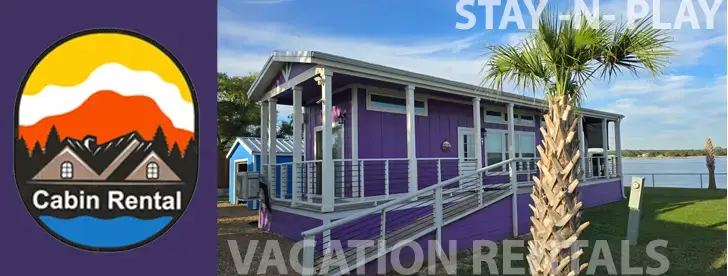
Lakeview Marina / Lakeview RV Park / Lakeview Vacation Cabin Rentals
5250 Interstate 35 Frontage Rd
Corinth, TX 76210
View Map