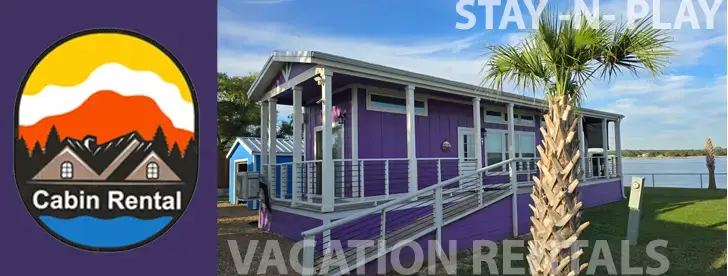
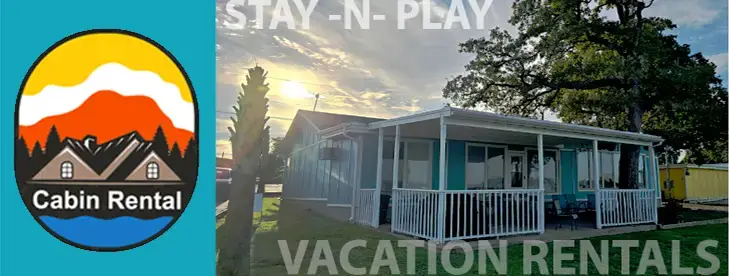
A Deep Dive into Vacation Rentals History in Flower Mound, Texas
Flower Mound, Texas has undergone tremendous growth over the decades, transforming from a quiet community into a highly desirable residential and leisure destination. Central to this evolution is the booming industry of vacation rentals in Flower Mound TX. Understanding the history of these accommodations requires looking at the interplay between local economic development, technological shifts, and changing travel patterns.
The Early Residential Roots Before Modern Short-Term Rentals
Before dedicated platforms facilitated booking temporary stays, lodging needs were met through traditional hotels or long-term residential leases. Historically, the area’s growth paralleled its proximity to major metropolitan hubs like Dallas and Fort Worth. The initial wave of development focused heavily on single-family homes designed for permanent residency. Early visitors who required temporary housing often relied on institutional accommodations rather than specialized vacation rentals in Flower Mound.
The early market was stable, driven by the need to house employees associated with new corporate centers and expanding residential subdivisions. This foundational period established high property values and a strong commitment to neighborhood quality—qualities that remain highly sought after today for both permanent residents and temporary guests utilizing Flower Mound short-term rentals.
The Turning Point: Technology and the Rise of Tourism
The true catalyst for modern vacation accommodations was technological advancement. The advent of online booking platforms dramatically lowered the barrier to entry for property owners, allowing them to monetize residential space previously dedicated solely to long-term use. This shift fundamentally changed how people approached travel within North Texas.
As air travel became more accessible and leisure tourism grew in popularity across major US markets, demand spiked specifically for unique local experiences offered by vacation rentals Flower Mound TX provides. Property owners realized the significant income potential of offering stays ranging from weekend getaways to extended work-from-home assignments.
Evolution of Accommodation Types
The history is not just about technology; it’s also about architecture and property types. Early listings might have featured entire homes, reflecting a desire for privacy—a hallmark feature that remains popular today in the Flower Mound accommodation market. Over time, the range expanded to include luxury villas, multi-unit townhome rentals, and even corporate housing options.
- Early Phase: Focus on whole-house bookings; limited inventory size.
- Mid-Phase Growth: Diversification into different property styles (modern vs. traditional); increased volume of available short-term rental properties in Flower Mound TX.
- Modern Era: Professional management and specialized listings catering to specific needs, such as pet accommodations or luxury amenities within the vacation rentals market.
The Economic Impact on Flower Mound’s Property Market
The proliferation of vacation rentals in Flower Mound TX has had a profound economic effect. On one hand, it provides an invaluable source of secondary income for homeowners and contributes to local service economies by supporting cleaning services, concierge services, and localized tourism businesses.
On the other hand, this rapid growth necessitates careful regulation regarding zoning, licensing, and occupancy rules. The dynamic balance between residential stability (long-term living) and commercial revenue generation (vacation rentals) is a defining characteristic of today's Flower Mound real estate landscape.
Understanding Current Market Trends
Today’s market for temporary stays reflects several key trends that define the modern experience:
- The Experience Economy: Guests are not just looking for a bed; they seek an authentic, localized "experience." This drives owners to customize their vacation rentals Flower Mound TX with local flair and amenities.
- Flexibility in Stays: The popularity of extended-stay options means that many people use these rentals as temporary housing far longer than a typical vacation trip.
- Regulatory Focus: Local governments are increasingly focusing on creating sustainable guidelines for short-term rental operations to maintain neighborhood character while supporting the economic benefits brought by tourism and transient populations.
Conclusion
The history of vacation rentals in Flower Mound TX is a story of adaptation, capitalizing on desirable location combined with global connectivity. From simple roadside lodging needs decades ago to today's highly managed online booking experience, the market has matured significantly. For anyone considering property ownership or seeking temporary housing within this dynamic area, understanding this rich history provides valuable context for how Flower Mound accommodation operates in the modern travel era.
Exploring new destinations and planning memorable getaways has always been a core human desire. Today, one of the most popular and flexible ways travelers experience these locations is through vacation rentals. Moving beyond traditional hotel stays, vacation rentals offer an immersive way to connect with local life while enjoying comfort and privacy. Understanding what makes this market so appealing—and how to book your perfect getaway—is key to modern travel planning.
What Defines the Vacation Rentals Market?
At its core, a vacation rental refers to any residential property that is temporarily leased or rented out for recreational purposes. Unlike institutional lodging like hotels and motels, these properties often mimic the experience of living in a local home. This includes everything from charming beach houses and rustic cabins to luxurious city apartments.
The sheer size and variety within this short-term rental market mean that travelers can find accommodations tailored precisely to their group size, activity level, and budget. Whether you are planning an intimate romantic escape or a large family reunion, the flexibility of vacation rentals makes them unmatched for comprehensive travel experiences.
The Unique Advantages of Choosing Vacation Rentals
Many people ask if vacation rentals are better than hotels, but the answer often depends on what kind of experience you seek. Here is why many travelers choose this accommodation style:
- Space and Privacy: Unlike hotel rooms where space can be limited to a single bedroom area, vacation properties typically offer multiple bedrooms, separate living areas, and full kitchens. This allows families or groups traveling together the privacy needed to relax side-by-side.
- Local Immersion: Staying in a residential neighborhood gives you an authentic glimpse into local life. You are more likely to discover hidden gems and feel less like a tourist passing through. The focus shifts from simply sleeping overnight to truly living within the destination for a week or two.
- Cost-Effectiveness (For Groups): When traveling with four people, booking multiple hotel rooms can quickly become extremely expensive. A single large vacation rental often provides more space and amenities at a lower overall cost than equivalent segmented lodging.
Understanding Different Types of Vacation Stays
The term "vacation rentals" covers an enormous spectrum of property types. Knowing what kind of stay you are looking for will greatly narrow your search within the vast short-term rental market.
Luxury Homes and Estates
These properties represent the pinnacle of upscale travel, offering amenities like private pools, dedicated cinema rooms, professional landscaping, and high levels of personalized service. They are ideal for milestone celebrations or large family groups seeking ultimate comfort.
Cozy Cabin Rentals
For those craving a return to nature, cabin rentals provide rustic charm and seclusion. Often nestled in mountains or deep forests, these properties emphasize connection with the outdoors—perfect for hiking enthusiasts and couples looking to unplug from digital life.
Urban Apartments and Condos
Located within bustling city centers, modern apartments are perfect for urban explorers. They offer walkability, immediate access to dining options, public transport hubs, and major attractions without sacrificing comfort or style. Booking a condo is an excellent way to experience the culture of a metropolitan area.
Essential Tips for Booking Your Ideal Vacation Rental
Successfully planning your getaway revolves around careful research. To ensure your vacation rental meets all expectations, keep these expert tips in mind:
Reviewing Amenities and Equipment
Always check the listing details thoroughly. Do you need a washer/dryer? Is there enough space for an office desk if you are working remotely? Knowing exactly what equipment is available will prevent last-minute disappointments.
Understanding Local Regulations
Different cities have varying rules regarding short-term rentals, including local taxes and pet policies. Before booking your vacation stay, confirm that the property owner or management company adheres to all current municipal laws.
Reading Reviews for Specific Details (The Human Touch)
While star ratings are helpful, reading detailed reviews is crucial. Pay close attention to comments regarding noise levels from neighbors, accuracy of advertised amenities, and communication speed with the host—these details speak volumes about your actual experience in vacation rentals.
Conclusion: The Power of Choosing a Vacation Stay
Ultimately, choosing vacation rentals is selecting an entire lifestyle for your trip. It’s more than just four walls and a roof; it's the opportunity to settle into the rhythm of a new place at your own pace.
By leveraging the flexibility, space, and local authenticity offered by this booming travel sector, you can transform a simple vacation from merely passing time to truly connecting with a destination. When planning your next memorable escape, remember that exploring vacation rentals remains one of the most rewarding ways to experience the world.
Understanding the history of vacation rentals in Flower Mound, Texas, reveals a story deeply intertwined with suburban growth, changing tourism demographics, and evolving real estate markets. The trajectory from quiet residential areas to a sophisticated destination for short-term stays is key to understanding today's dynamic rental landscape.
The Early Roots: Initial Growth and Residential Focus
Historically, Flower Mound was not primarily known as a tourist hub in the way that major city centers are. Its early development focused heavily on residential living and commuter appeal due to its proximity to Dallas-Fort Worth International Airport (DFW). Consequently, the initial "rentals" were less about dedicated vacation experiences and more related to extended stays for business travelers or temporary housing for relocating families.
The foundational elements of what would become the modern vacation rentals Flower Mound TX market began with increased accessibility. As major thoroughfares improved connectivity, attracting corporate relocations that required furnished accommodations, this established a baseline demand for flexible and short-term living arrangements within local neighborhoods.
Shifting Demographics Drive Initial Rental Demand
The period from the late 20th century into the early 21st century saw significant population influx. This growth created an immediate need for housing solutions that differed from traditional long-term leases. While these initial needs were often business-driven, they laid the groundwork for investors to recognize the potential of capitalizing on temporary occupancy rates.
The Rise of Modern Short-Term Rentals
A pivotal shift occurred with the mainstream adoption and popularization of online booking platforms globally. This technological revolution allowed property owners in Flower Mound—and across Texas—to connect directly with a national, even international, pool of travelers looking for premium lodging experiences.
The Influence of Luxury Market Trends
Flower Mound's reputation as an upscale community played a crucial role during this expansion phase. Investors recognized that the demand wasn't just for basic housing; it was for luxury and amenities—a defining characteristic of modern vacation rentals. This led to renovations and new constructions specifically designed to appeal to high-end visitors, including pools, gourmet kitchens, and proximity to local attractions.
The market began differentiating itself from standard residential leases by emphasizing the "experience" rather than just the address. Properties were marketed as destinations in themselves, elevating them into highly desirable short-term accommodations within Flower Mound TX.
Regulatory Changes Shaping Today’s Market
As the popularity of short-term rentals Texas grew exponentially, so did public and municipal interest regarding zoning, taxation, and neighborhood character. The history of this sector is also one of adaptation to evolving local ordinances. Property owners have had to navigate changes in regulations designed to balance investment freedom with maintaining residential quality.
These regulatory discussions solidified the market's maturity. Today’s successful property managers understand that compliance, combined with superior amenities and prime locations within Flower Mound, is essential for maximizing rental income while adhering to local guidelines.
The Modern Vacation Rental Landscape in Flower Mound
Today, vacation rentals represent a sophisticated segment of the real estate market. The history shows an evolution from necessity-driven temporary housing to highly specialized leisure and corporate accommodations. Key drivers include:
- Corporate Travel: Ongoing need for high-quality furnished homes near major business centers.
- Leisure Tourism: Increased demand for premium getaways within the DFW metroplex, utilizing Flower Mound's desirable lifestyle factors.
- Investment Appeal: The reliable cash flow potential of well-managed short-term properties makes them a consistent draw for real estate investors in Texas.
In summary, the history of vacation rentals in Flower Mound is one of strategic growth—moving from basic temporary housing to an established market segment defined by luxury amenities and expert management tailored to modern travel expectations.
Discovering the Charm of Flower Mound, Texas: A Comprehensive Guide
Flower Mound, Texas, is rapidly establishing itself as one of the most desirable communities in North Texas. For those exploring where to live or simply looking for a relaxing getaway near Dallas-Fort Worth, understanding what makes Flower Mound Texas so appealing is key. This comprehensive guide delves into the unique blend of suburban tranquility, robust local amenities, and rapid growth that defines life in this vibrant community.
The Ideal Lifestyle: Living in Flower Mound TX
When people consider relocating to or spending time in Flower Mound Texas, they are often drawn to a high quality of life. The area successfully balances the convenience of being close to major metropolitan centers with a distinct neighborhood feel that feels miles away from city bustle. Residents enjoy excellent community planning and a strong emphasis on family-friendly activities.
The atmosphere in Flower Mound is generally characterized by its commitment to green spaces, historic preservation alongside modern development, and an active local culture. Whether you are looking for the perfect spot near major highways or prefer exploring quiet neighborhood streets dotted with mature trees, Flower Mound Texas offers diverse residential options appealing to various lifestyles.
Key Elements of Flower Mound's Community
- Safety and Stability: The community maintains a high standard of living and safety.
- Accessibility: Excellent connectivity makes commuting manageable while enjoying local life.
- Family Focus: Numerous parks, recreational facilities, and schools contribute to an ideal family environment in Flower Mound TX.
Exploring Local Attractions and Things To Do In Flower Mound
One of the most compelling aspects of this location is the sheer volume of local attractions that do not require a long drive. Whether you are seeking outdoor adventure or sophisticated dining, there is something for every visitor exploring Flower Mound.
Outdoor Recreation in Flowery Areas
The commitment to green space is evident throughout Flower Mound. Local parks provide ample opportunity for exercise and family fun. These recreational areas often feature walking trails perfect for a morning jog or an afternoon stroll through nature. Furthermore, the proximity of local reservoirs allows residents easy access to water activities.
Dining and Entertainment Hubs
The dining scene in Flower Mound is diverse, ranging from quaint neighborhood cafes serving artisanal coffee to upscale restaurants offering fine dining experiences. Shopping opportunities are equally varied; while major retail centers provide convenience, smaller boutique areas allow for unique browsing of local crafts and goods.
Real Estate and Growth Trends in Flowery Mountain
For those interested in property values or investing in the area, Flower Mound real estate has seen consistent growth. The development trajectory suggests a highly desirable market that continues to attract both long-term residents and new families looking for premium living spaces.
The blend of established neighborhoods with modern architectural developments means potential homeowners can find properties tailored precisely to their needs, whether it is an historic home or a newly built luxury residence. Experts often cite the combination of strong local infrastructure and continued growth as major selling points when discussing Flower Mound Texas.
Connecting Flower Mound to North Texas
A significant advantage for residents in this area is its strategic location within the Dallas-Fort Worth Metroplex. While providing a peaceful suburban escape, Flower Mound TX ensures that professional and educational opportunities remain easily accessible. This perfect balance—tranquility at home, opportunity nearby—is what many people seek when moving to Flower Mound.
The excellent transportation network minimizes travel time to major employment centers while maintaining the distinct character of a smaller Texas town feel right here in Flower Mound.
Conclusion: Why Choose Flower Mound?
Ultimately, choosing Flower Mound means opting for a balanced lifestyle. It is a community that values its residents and continuously invests in improving local amenities, parks, and infrastructure. From the beautiful residential streets to the bustling commercial areas, Flower Mound Texas offers an unparalleled quality of life experience.
We hope this detailed look into Flower Mound has highlighted why it remains such a sought-after destination for those seeking that perfect blend of suburban calm and metropolitan access.
The Fascinating History of Vacation Rentals
Understanding the history of vacation rentals reveals a story that mirrors humanity’s increasing desire to travel, explore, and live like temporary residents in new locations. While platforms like Airbnb dominate modern discussions about short-term accommodations, the concept of renting lodging for leisure is far from modern. The evolution of this industry reflects massive shifts in technology, global connectivity, and consumer expectations.
Early Forms of Temporary Lodging: Precursors to Modern Rentals
Before standardized digital booking systems existed, temporary stays relied on local knowledge, word-of-mouth networks, and established institutions. These early methods laid the groundwork for what we now call vacation rentals.
The Rise of Inns and Taverns
Historically, travel accommodations were centered around inns or taverns located along major trade routes. These establishments served not only as places to sleep but also as vital social hubs where travelers could exchange information, secure goods, and meet fellow adventurers. While they weren't "rentals" in the modern sense—they required interaction with an innkeeper—they fulfilled the core function: providing temporary lodging away from home.
The Grand Hotels Era
As industrialization spurred increased middle-class leisure time, grand hotels emerged. These establishments offered luxury and reliable services for wealthier travelers. While they were not self-contained rentals in a private unit (like an apartment), the standardization of guest rooms marked an early step toward predictable lodging experiences that modern short-term rental markets rely upon.
The Age of Travel Agencies and Institutionalized Tourism
During the late 19th and early 20th centuries, tourism became a formalized industry. The advent of reliable rail travel radically changed who could afford to take vacations and how far they could go.
Structured Vacations
Travel packages started becoming common. Instead of just booking lodging, people booked entire experiences—train tickets bundled with resort stays. Resorts became specialized destinations designed for relaxation (think seaside Victorian resorts). These locations often featured attached housing or dedicated blocks of rooms that offered a contained 'vacation feel,' anticipating the private nature sought in today’s rental property experience.
The Rise of Specialized Housing
In certain desirable vacation spots, developers began building entire communities for temporary residents—think seasonal beach cottages or mountain chalets. These were precursors to modern villa rentals and suggest a growing market appetite not just for *a bed*, but for an entire *lifestyle* during the trip.
The Mid-Century Shift: The Automobile and Standardization
The post-World War II era saw unprecedented growth in personal vehicle ownership. This fundamentally changed vacation rentals history by decentralizing travel from major rail hubs to accessible destinations.
- Motels and Roadside Accommodations: The motel revolutionized the concept of temporary stay, offering exterior access directly from parking lots—a massive improvement in convenience for car-dependent travelers.
- Car Camping Culture: Increased mobility meant that camping became a highly popular form of inexpensive short-term accommodation, further broadening who could participate in leisure travel and what constituted "staying somewhere."
The Digital Revolution and the Modern Rental Market
If early history was defined by rail lines and grand resorts, the modern chapter is defined entirely by the internet. The digital age fundamentally changed transaction speed, transparency, and inventory size.
Before Online Platforms
Prior to online booking giants, finding a rental often meant contacting local property managers or relying on physical travel agent listings. Inventory was limited by geography and human reach. This created friction in the market for true vacation rentals flexibility.
The Airbnb Effect: Democratizing Lodging
The emergence of peer-to-peer platforms marked a seismic shift. These digital marketplaces effectively connected individual property owners (who previously might have rented to friends or family) directly with global travelers.
- Increased Inventory Diversity: The market expanded far beyond traditional hotels and resorts, incorporating homes, cabins, boat stays, and unique properties that could never be managed by a single corporate entity.
- Hyper-Local Experiences: Travelers gained the ability to book accommodations in neighborhoods they previously couldn't access easily or affordably through standard hotel rates. This is key to today’s understanding of vacation rental history—it’s about authentic immersion, not just a bed for a night.
- Global Reach: Digital platforms eliminated geographical barriers, allowing the global flow of tourism and creating an unparalleled market for temporary living arrangements worldwide.
Conclusion on Vacation Rentals History
From the rudimentary inns along ancient roads to today's sophisticated digital booking engines, vacation rentals have consistently evolved toward greater convenience, authenticity, and choice. The trajectory shows a clear pattern: travel is becoming more personalized, less structured by institutional gatekeepers (like large hotel chains), and more reliant on direct connection between temporary residents and local property owners.
The history of these accommodations proves that the desire to temporarily inhabit another life—to live like a vacationer anywhere in the world for an extended period—is one of humanity's oldest, most enduring passions. Understanding this deep history provides context not only for how we book today but also what future travel trends might bring.
The Comprehensive History of Vacation Rentals
Understanding the history of vacation rentals reveals a fascinating evolution in how humanity has traveled and stayed away from home. The concept itself is not new, but its modern iteration—facilitated by digital technology—represents a dramatic shift from traditional lodging models. This overview explores the journey from rudimentary travel accommodations to today's global short-term rental market.
Early Forms of Temporary Lodging Before Modern Rentals
Before formal vacation rentals existed, travelers utilized various systems for temporary shelter. Historically, these involved inns and taverns that catered primarily to passing merchants or military personnel rather than leisure tourists. Early accommodations were highly localized experiences, relying on word-of-mouth recommendations.
The Rise of Grand Resorts
A significant precursor was the development of grand resort towns in the 19th century. These resorts offered an escape from industrial city life and catered to the wealthy elite who could afford extended leisure travel. While these were luxurious, they represented a fixed infrastructure—the traveler purchased lodging within that specific establishment rather than renting out private homes.
The Impact of Industrialization on Travel Accommodations
With increased global connectivity through railways during the late 19th and early 20th centuries, tourism expanded beyond the wealthy class. The need for affordable yet comfortable stays drove the development of standardized hotels and motels. These structures established the foundational expectation that travelers could expect a predictable level of service wherever they went.
The Mid-Century Shift: Motels and Auto Travel
The automobile revolutionized travel, necessitating new types of lodging. The rise of roadside motels in the mid-20th century was critical to vacation rentals history because it established a model where standardized temporary housing could be found near major thoroughfares. This era cemented the idea that accommodation should follow mobility.
The Digital Revolution and Short-Term Rental Platforms
The true inflection point for modern short-term rental market growth occurred with the advent of the internet in the late 20th century, but it exploded in the early 21st century. Previously scattered local listings were suddenly aggregated onto global platforms.
Precursors to Modern Platforms
Early online booking services focused heavily on commercial hotels and flights. However, as digital connectivity improved and travel became more mainstream, individuals realized they possessed an untapped asset: their homes during periods of absence. This led directly to the concept that gave birth to modern vacation rentals platforms.
The Airbnb Effect
Platforms like Airbnb dramatically changed traveler expectations. They shifted focus away from institutional lodging and toward authentic, localized experiences within private residences. The ability for hosts worldwide to list their properties created a decentralized accommodation market. This transformation redefined what "temporary housing" meant, making it highly personalized while maintaining global reach.
Key Factors Driving Modern Vacation Rentals
Several factors continue to drive the popularity and complexity of vacation rentals history: flexibility, perceived authenticity, cost-effectiveness compared to hotels, and technological ease. The modern renter values unique neighborhood experiences over standardized hotel amenities alone.
- Globalization of Travel: Increased international travel means demand for varied local housing solutions increases exponentially.
- Technology Integration: Smart locks, online check-ins, and digital communication have streamlined the rental process entirely.
- The Experience Economy: Travelers today prioritize unique experiences over mere sleepovers; vacation rentals provide a 'home base' feel that hotels cannot replicate.
Conclusion on Accommodation Evolution
In summary, the journey of accommodation has moved from localized inns to standardized resorts and finally to global digital marketplaces. The history of vacation rentals is one defined by technological acceleration—a move toward personalization, accessibility, and community-driven travel lodging that continually expands its reach.
Understanding the rich tapestry of Flower Mound, Texas history reveals a story of transformation—from indigenous gathering grounds to thriving suburban community. For those researching local culture or simply curious about how this part of North Texas developed, diving into the deep roots of Flower Mound provides essential context for modern life here.
Early Roots: The Indigenous Presence in Flower Mound
Long before any permanent European settlement was established, the land that now constitutes Flower Mound was home to various Native American groups. These early inhabitants utilized the natural resources and waterways passing through the area. Their presence formed the initial layer of Flower Mound Texas history.
The Life Before Records
While detailed records are scarce regarding specific tribes in this exact location, archaeological evidence suggests that seasonal hunting, gathering, and trade were key activities for the original stewards of the land. Understanding these early lifeways is crucial to appreciating how deep Flower Mound’s connection to Texas soil runs.
The natural environment played a vital role; rivers provided sustenance, while fertile lands supported temporary communities. This foundational period established patterns of movement and resource use that would influence later settlers as well.
From Frontier Outpost to Farming Community
As time progressed and American exploration expanded westward, the area began attracting transient populations. The early 19th century marked a significant shift in the demographic makeup of what would eventually become Flower Mound. These initial non-Native residents were often pioneers seeking agricultural land or passing through on established trails.
The Cattle Industry's Influence
Like much of North Texas, ranching formed one of the earliest economic pillars for Flower Mound. Vast tracts of open range attracted cattle barons and ranchers who carved out a livelihood from the surrounding grasslands. This era cemented farming and livestock management as integral parts of the region’s identity.
The establishment of basic infrastructure, such as rudimentary roads connecting these agricultural centers, was critical. These early routes laid the groundwork for modern transportation networks that define Flower Mound today.
Development and Growth: The Transformation Era
The true acceleration in Flower Mound Texas history began dramatically during the mid-20th century. Following World War II, population shifts across Texas led to intense growth in surrounding areas. Previously rural farmland suddenly found itself positioned near burgeoning metropolitan hubs.
Shifting from Agriculture to Suburbia
This period saw a monumental shift away from traditional ranching and farming toward residential development. Developers began purchasing large tracts of land, recognizing the strategic location of Flower Mound relative to rapidly growing cities like Dallas. The need for housing spurred unprecedented construction growth.
Key Drivers in Development
- Improved Infrastructure: Better roads and utility services made larger-scale community building possible.
- Population Influx: People migrated seeking a quieter, family-friendly environment while still having access to major employment centers.
- Economic Diversification: The area began attracting commercial development alongside residential housing, creating a mixed economy that sustains Flower Mound today.
The Modern Story of Flower Mound
Today's modern community reflects the historical journey from sparse ranching land to a highly developed suburban center. While rapid growth is characteristic of contemporary life in Flower Mound, it does not erase its deep past.
Preserving History Amidst Growth
A key part of understanding Flower Mound Texas history involves appreciating this balance: the need for modern development alongside efforts to preserve historical memory and local heritage. Local institutions often focus on maintaining connections to these agricultural roots, ensuring that new residents understand the profound changes that have occurred.
Looking Ahead
The ongoing narrative of Flower Mound remains one of continuous evolution. The history recorded in deeds, archaeological finds, and oral traditions all point toward a resilient community capable of adapting while honoring its pioneering past. Exploring these layers—from indigenous passage to frontier ranching to modern residential excellence—provides a comprehensive view of this unique corner of Texas.
In summary, the Flower Mound story is one of remarkable transition: an evolution driven by geography, population needs, and economic opportunity over many centuries. This deep understanding of its history enriches every facet of life in Flower Mound today.
The Rich and Evolving History of Flower Mound, Texas
Exploring the history of Flower Mound reveals a deep tapestry woven from indigenous presence, early ranching life in Collin County, dramatic growth periods, and continuous adaptation. The story of this unique community is intrinsically linked to its geographical position within northern Texas, making Flower Mound an area with profound historical significance.
Early Settlement and Pre-History
Long before the establishment of modern infrastructure in Flower Mound, the land was utilized by various Native American groups. These early inhabitants were deeply connected to the natural resources surrounding what would become central Texas history hotspots. Understanding this initial chapter provides crucial context for understanding Flower Mound's relationship with its environment.
The subsequent period involved cattle ranching and agricultural development, typical of many parts of North Texas during the nineteenth century. These early settlers established a pattern of life that relied heavily on local resources. This foundational era laid much of the groundwork for Flower Mound's eventual growth into a thriving modern suburb.
The Development of Flower Mound in Collin County
As time progressed, the area began to transition from purely agricultural land toward more concentrated settlement patterns. The development timeline is closely tied to infrastructure improvements and population migration intoCollin County. Early families who settled near what became Flower Mound were instrumental in shaping its initial character.
Early Community Growth
The growth was steady but punctuated by periods of rapid change, mirroring broader trends across Texas history. Local institutions—such as schools and community gathering places—were established during this time to support the burgeoning population base around Flower Mound. These early efforts highlight the resilience and determination of its founding families.
Modernization and Transformation
The mid-to-late twentieth century marked a pivotal period for Flower Mound history, seeing explosive growth driven by economic development in the surrounding region. This transformation allowed Flower Mound to evolve dramatically while retaining elements of its historical charm. The modern infrastructure reflects this powerful blend of past heritage and future ambition.
Today's community maintains strong links to its Texas roots through preserved historic sites, local traditions, and a deep appreciation for the area’s unique history in Collin County. Whether examining old ranch routes or new commercial centers, the continuous story of Flower Mound remains compelling.
Key Elements Defining Flower Mound History
- Indigenous Roots: The earliest chapter detailing human habitation on the land that is now Flower Mound.
- Agricultural Foundation: The establishment of ranching and farming as primary economic drivers in Collin County history.
- Infrastructure Boom: The critical period when modern transportation links fueled rapid residential development for Flower Mound.
In summary, the complete picture of Flower Mound's history is one of layered evolution—from indigenous habitation to cattle trails, and finally into a major suburban center within Texas.
The Evolution of Vacation Rentals History in Flower Mound, Texas
Flower Mound, located within the rapidly expanding Dallas suburbs, has undergone a dramatic transformation over the decades. Understanding the history of vacation rentals here is to understand the growth story of modern suburban tourism itself. From its early days as a quiet residential community, Flower Mound evolved into a highly sought-after destination for both permanent residents and temporary visitors utilizing premium short-term rental properties. This comprehensive look at the past helps shed light on why the local market for vacation rentals in Flower Mound Texas is so dynamic.
Early Development: Setting the Stage for Tourism
The history of property use in this area predates modern vacation renting, but understanding its roots provides necessary context. Initially, land development focused primarily on residential expansion and local commerce serving a growing population base attracted by Dallas’s economic boom. Early properties were built with long-term residency in mind. The concept of the dedicated Flower Mound rental market was not formalized until much later.
As Flower Mound grew, its infrastructure improved—roads developed, and amenities began to appear. This foundational growth laid the groundwork for future tourism potential. Early visitors were often attracted by proximity to major Dallas attractions rather than specific resort features, meaning that initial rental use was sporadic and highly dependent on transient needs.
The Mid-Century Shift: Increased Residential Appeal
As Flower Mound solidified its reputation as a desirable place to live in the latter half of the 20th century, property values rose steadily. This period saw an increase in luxury home construction. While these homes were primarily purchased for permanent residence, their high quality and prime locations eventually made them attractive candidates when owners considered renting them out temporarily.
The demand shifted from simply building housing to creating lifestyle destinations. Developers began incorporating more recreational elements—larger yards, community pools, and higher-end finishes—all features that greatly enhanced the appeal of vacation rentals in Flower Mound Texas down the line.
The Digital Age: The Rise of Short-Term Rentals
The true explosion in the modern vacation rental industry coincided with two major factors: increased travel accessibility and the advent of online booking platforms. Before these digital tools, renting a property temporarily was difficult, relying on local realty knowledge or word-of-mouth networks.
With global connectivity, owners realized they could monetize their beautiful properties by listing them for short stays. This created an entirely new segment within Flower Mound's real estate landscape. The ability to list a home globally transformed residential assets into income streams and temporary tourist accommodations simultaneously. Today’s sophisticated vacation renters expect high-tech amenities, seamless check-ins, and local entertainment options—a direct result of this modern market evolution.
Key Factors Driving the Flower Mound Rental Market
Several unique elements contribute to the enduring appeal and history of Flower Mound Texas as a rental destination:
- Strategic Location: Its position within North Dallas allows easy access to major business centers, cultural attractions, and natural parks.
- High Quality Housing Stock: The prevalence of upscale, well-maintained homes provides an immediate luxury appeal for vacationers.
- Community Focus: Flower Mound maintains a strong sense of community planning, ensuring that even high levels of transient activity do not detract from the neighborhood's character.
Modern Trends and Regulatory Context
As the vacation rentals market in Flower Mound Texas continues to mature, it is crucial to understand the interplay between property rights and municipal regulations. Historically, local governments have adjusted zoning laws and ordinances to balance resident desires with economic growth driven by short-term stays.
Today’s successful rental operations must navigate a sophisticated legal framework that supports both residential longevity and temporary visitor accommodation. This regulatory environment ensures the market remains sustainable while capitalizing on the area's immense appeal for travelers seeking premium experiences far beyond standard hotel accommodations.
Conclusion: A Blend of History and Future Tourism
The history of vacation rentals in Flower Mound, Texas, is a story of continuous adaptation—moving from simple residential development to becoming an epicenter of sophisticated short-term tourism. The area successfully leveraged its desirable location and high quality of life to build a robust vacation rental industry.
Whether you are viewing the history through the lens of local real estate investment or planning your next getaway, understanding this rich evolution provides appreciation for what makes Flower Mound such an exceptional destination year after year. The convergence of historical residential charm and modern travel demand ensures that the market remains vibrant and highly competitive in terms of quality accommodations.
Discovering the Ultimate Travel Experience with Vacation Rentals
Planning a trip can be exciting, but choosing where to stay is often one of the most critical decisions. While traditional hotels offer convenience, many travelers are increasingly discovering that vacation rentals provide an unmatched blend of comfort, space, and authentic local living. If you are searching for alternative lodging options or simply want more room to spread out, understanding how vacation rentals work can revolutionize your next getaway.
What Exactly Are Vacation Rentals?
At its core, a vacation rental is temporary housing that guests rent by the night, week, or month. Unlike staying in an institutional hotel setting, these properties are often private homes, apartments, condos, or entire villas managed through specialized booking platforms. This structure allows travelers to experience a true "home away from home" feeling while enjoying all the amenities of a vacation destination.
The rise of short-term accommodation options has fundamentally changed how people approach travel, offering flexibility and personalized stays that traditional lodging often cannot match. When considering your next trip, exploring available vacation rentals is highly recommended for a richer journey.
Why Choose Vacation Rentals Over Traditional Hotels?
The comparison between staying in a large hotel versus booking private accommodation highlights several key advantages of vacation rentals. These benefits go beyond just the location; they relate to lifestyle and experience.
- Space and Privacy: Most vacation rentals offer multiple bedrooms, separate living areas, and fully equipped kitchens. This means families or groups can spread out comfortably without feeling confined by hotel room standards.
- Cost-Effectiveness for Groups: For larger parties, renting an entire house often proves significantly more economical than booking several adjoining hotel rooms. The ability to cook meals in a full kitchen further reduces dining costs during your stay.
- Local Immersion and Authenticity: Staying within a neighborhood rather than an isolated resort area allows guests to interact with local life, visit authentic markets, and discover hidden gems—a true taste of the destination that vacation rentals facilitate.
The Diverse Types of Vacation Rental Properties
One major benefit when booking through this method is the sheer variety available. Whether you have a specific budget or group size, there is likely a perfect type of property waiting for you.
Entire Homes and Houses
These are often detached properties that provide maximum privacy. They are ideal for large families, multi-generational trips, or groups seeking a secluded retreat in the countryside or mountains. The feeling here truly mimics living at home while traveling.
Apartments and Condos
Perfectly suited for urban exploration or city breaks, vacation rentals apartments usually offer excellent access to public transit and local amenities. They provide all the comforts of modern life in a compact, stylish setting.
Villas and Luxury Retreats
For those seeking ultimate luxury and privacy—think private pools, dedicated groundskeepers, or breathtaking ocean views—villas are unmatched. These properties elevate any trip to an unforgettable escape.
Key Benefits of Choosing Short-Term Accommodation
Beyond the physical structure of the property, vacation rentals offer logistical advantages that enhance your overall travel experience:
- Self-Catering Convenience: Having a full kitchen means you can plan diverse meals and stick to dietary requirements without relying solely on restaurant dining.
- Dedicated Gathering Space: The common areas in most rental homes are designed for socializing, making them perfect bases for game nights or group movie marathons after a day of sightseeing.
- Flexibility in Duration: Many vacation rentals offer discounted rates the longer you stay, rewarding extended visits and allowing travelers to slow down their pace significantly compared to quick hotel turnover stays.
Tips for Booking Your Perfect Vacation Rental Stay
To maximize your booking experience and ensure a smooth trip, keep these SEO-optimized tips in mind when searching for vacation rentals:
- Read Detailed Reviews: Pay close attention to reviews that mention cleanliness, accuracy of listing photos, and local neighborhood safety.
- Check the Cancellation Policy: Understand your booking flexibility before committing funds, especially when planning trips far in advance for short-term accommodation.
- Verify Amenities List: Does the property include necessary items like linens, Wi-Fi access, or parking? Always confirm these details to avoid last-minute issues with your getaway plans.
Remember that researching multiple options and comparing amenities is key to finding the best vacation rental deal for your specific needs.
Conclusion: Embracing the Home Away From Home
For travelers who prioritize space, local flavor, cost-efficiency, and a true sense of belonging during their trip, vacation rentals represent one of the most compelling options available. They offer more than just four walls; they provide an entire lifestyle experience. Whether you are planning a family adventure or a romantic getaway for two, embracing the world of private short-term accommodation ensures your next vacation is comfortable, memorable, and deeply rooted in the destination itself.
Lakeview Marina / Lakeview RV Park / Lakeview Vacation Cabin Rentals
2263 Lake Coves Dr
Flower Mound, TX 75022
View Map