A Deep Dive into Marina History of Halton City, Texas
The waterways surrounding Halton City, Texas, represent more than just scenic views; they embody a rich and complex maritime heritage that has shaped the community for generations. Exploring the marina history of this area requires looking back at how natural resources met human ingenuity. From early fishing camps to modern, sophisticated boat storage facilities, understanding the evolution of these waterfront areas provides a unique window into Texas's connection with its rivers and lakes.
The Genesis: Early Boating Life in Halton County
Before it was an established hub for recreational boating, Halton City’s relationship with water centered on necessity. The earliest signs of maritime activity were intrinsically linked to trade, fishing, and local subsistence. These initial waterfront areas functioned as essential gathering points long before they housed large yachts or modern marinas.
Early boat travel was rudimentary but vital. Local settlers relied heavily on the waterways for transportation across what would become a critical regional corridor. The early marina history is therefore tied to basic docking and resource extraction—fishing camps were precursors to today's developed piers. These initial settlements established the foundational knowledge of navigating these specific Texas waters, creating expertise that continued through subsequent eras.
From Simple Docks to Modern Boating Facilities
As Halton City grew into a more populated area, so too did its need for organized boating facilities. The transition from informal docking spots to dedicated marinas was gradual but marked by significant technological advances in boat building and engine power.
The Mid-20th Century Boom
Mid-century developments saw the emergence of more structured waterfront commerce. These early, formalized docks began catering not just to local fishermen, but also to recreational enthusiasts moving into Central Texas. The demand for safe mooring areas fueled investment in permanent piers and basic service infrastructure. This period marks a critical turning point where simple docking evolved into commercial marina operations.
Growth of Specialized Services
Over time, the complexity of servicing vessels grew exponentially. Modern marinas needed to offer more than just space; they required fuel docks, repair facilities, and safety services. This evolution is key to understanding today's robust selection of boat storage Texas offers within Halton City.
The Cultural Impact: Keelboats and Community Life
A central part of the local identity tied to these waterways revolves around traditional vessels. The culture surrounding keelboats—the classic, deep-drafted sailing or cruising boats—is deeply woven into Halton City's maritime tapestry. These boats are not merely recreational items; they represent a commitment to preserving historical methods of seafaring and enjoying the unique rhythm of lake life.
The marinas serve as social anchors for these communities. They facilitate everything from local regattas utilizing traditional rigging techniques to educational programs on responsible water stewardship. The ongoing presence of diverse vessels, ranging from small fishing skiffs to large motor yachts, ensures that marina history remains a living narrative.
Understanding Modern Marina Infrastructure in Halton City
Today's marinas are sophisticated commercial enterprises designed for maximum efficiency and safety. When examining the current state of waterfront development, several key areas demonstrate continuous adaptation:
- Safety Protocols: Increased emphasis on emergency response systems vital to all boating in Halton County waterways.
- Sustainability Efforts: Incorporation of eco-friendly practices related to waste management and water quality protection around the marinas.
- Diverse Accommodations: Offering everything from seasonal slip rentals for large vessels to temporary dry storage units perfect for smaller day boats.
The sheer scale and professionalism required to manage these modern facilities testify not only to economic growth but also to a deep-rooted respect for the maritime tradition that started here.
Preserving the Legacy of Halton City's Waterfront
As Halton City continues its trajectory of development, preserving the unique character and authentic history associated with its marinas is crucial. The physical structures—the historic piers, the local boatyards, and the knowledge held by lifelong boater families—are invaluable cultural assets.
The ongoing study of this marina history serves a dual purpose: it honors past generations who built their livelihoods on these waters, while simultaneously guiding future development to ensure that modern growth respects the natural beauty and operational integrity of the surrounding aquatic environment. The story of Halton City's marinas is one of resilience, community spirit, and an enduring love for life upon the water.
Exploring the Allure of the Marina: A Guide to Marine Facilities
A marina is far more than just docks for boats; it represents an entire ecosystem dedicated to watercraft, leisure, and maritime life. For those interested in boating or simply enjoying a waterfront setting, understanding what makes a great marina experience is key. This comprehensive guide explores the history, functionality, types of activities, and planning tips necessary to fully appreciate every aspect of visiting a premier marina facility.
What Exactly Is a Marina? Defining Marine Facilities
At its core, a marina serves as a sheltered harbor designed specifically for docking, maintenance, fueling, and provisioning boats. Think of it as the central hub for recreational boating. These marine facilities provide critical infrastructure that allows boat owners to safely store their vessels when not in use.
The structure of any large marina is highly organized. It typically includes designated slips (the spaces where boats are moored), fueling stations, waste disposal areas, and often commercial services like chandleries (boat supply shops). The management of these facilities ensures that the boating community has a safe, regulated environment to operate within.
When discussing marina life, we are talking about convenience meeting nature. You have immediate access to deep water for launching while enjoying the amenities of land-based services right at your doorstep. Whether you own a small fishing vessel or a large luxury yacht, the modern marina is equipped to meet diverse needs.
Activities and Experiences Found Within a Marina
The appeal of visiting an active marina extends far beyond simply docking a boat. These locations are vibrant centers for recreation and community gathering. Here are some primary activities one can engage in when exploring any major marine facility:
- Boating and Cruising: This is the obvious centerpiece. Marinas provide easy access to open water, allowing sailors of all skill levels to embark on scenic cruises or fishing expeditions.
- Boat Maintenance Services: Many marinas house professional boatyards that offer everything from routine servicing and winterization preparation to major hull repairs. It’s a critical resource for keeping boats seaworthy.
- Fishing Charters: Numerous marina areas are popular starting points for local fishing charters, catering to sport fishers and recreational anglers alike.
- Water Sports Rentals: Beyond private vessels, many facilities rent out kayaks, paddleboards, jet skis, and small personal watercraft, making the experience accessible even if you don't own a boat.
- Community Events: Marinas often host seasonal festivals, boat shows, or local regattas, fostering a strong sense of camaraderie among enthusiasts.
Understanding Different Types of Marina Settings
Not all marina facilities are the same. They vary greatly depending on their location, size, and primary function. Recognizing these differences can help you plan your visit or stay effectively.
Recreational Marinas
These marinas focus primarily on leisure use. Their goal is to provide a relaxing environment for boat owners who prioritize weekend cruising, fishing trips, and general enjoyment of the water. Services are geared toward ease of access and immediate recreational needs.
Commercial & Industrial Marinas
Some facilities serve as working ports or industrial marinas. These sites cater more heavily to commercial shipping, research vessels, dive operations, and large-scale marine maintenance rather than purely leisure boating. They represent a vital part of the regional economy surrounding water travel.
Yachting Harbors (Luxury Marinas)
These facilities are often associated with high levels of luxury and specialized services. Designed for larger yachts, they offer premium amenities, dedicated concierge service, security enhancements, and sophisticated docking structures suitable for expensive vessels.
Tips for Planning Your Visit to a Marina
To ensure your visit or stay at any marina is smooth and enjoyable, preparation is essential. Knowing what resources are available will significantly enhance the experience:
- Check Current Conditions: Before heading out, always check local weather forecasts for wind speed, tide charts, and current conditions specific to that marina area.
- Understand Docking Rules: Every marina has rules regarding mooring lines, boat size restrictions, and designated docking zones. Review these guidelines beforehand to avoid issues upon arrival.
- Book Services in Advance: If you plan on using a specific slip for an extended period or require specialized services like fueling or dry storage, booking well ahead of time is highly recommended due to seasonal demand at top marine facilities.
The infrastructure provided by modern marinas—from utilities access points to sophisticated emergency response systems—demonstrates the complexity and commitment required to support a robust boating culture.
Conclusion: The Enduring Appeal of Marina Life
Whether you are a seasoned sailor looking for deep-water docking or a first-
Exploring the rich marina history in Haltom City reveals a fascinating connection between community growth, Texan waterways, and recreational boating culture. The development of marine facilities in this area reflects not just an increase in local leisure activities but also broader economic shifts impacting the Dallas-Fort Worth metroplex waterfront.
Early Roots of Waterfront Activity in Haltom City
The story of Haltom City's relationship with water predates modern marinas. Historically, waterways served essential functions for early settlers and local commerce. Before dedicated recreational boating became commonplace, the bay area provided vital access points for fishing, small-scale transport, and resource gathering. These initial waterfront uses established a foundational understanding of navigating and utilizing the natural resources along the Texas coastline near Haltom City.
As transportation methods evolved and suburbanization increased throughout the mid-20th century, these undeveloped shorelines began to transform. The early development phases laid the groundwork for what would eventually become sophisticated Haltom City marinas today. These initial structures were often simpler docking points catering primarily to local fishing vessels rather than large commercial or luxury yachts.
The Evolution of Marina Facilities in Haltom
The mid-to-late twentieth century marked a significant turning point for waterfront real estate and marine services in the area. The growth necessitated dedicated infrastructure, leading to the establishment of modern marina complexes. These facilities expanded rapidly, catering to an increasingly affluent population interested in leisure boating.
From Simple Docks to Comprehensive Marina Complexes
The evolution demonstrates a clear trend: from rudimentary docking areas supporting local needs to highly organized marina history Haltom City sites offering extensive services like boat storage, repair facilities, and passenger amenities. These modern developments solidified the area's reputation as a premier destination for Texas boating enthusiasts.
- Increased Capacity: Modern marinas handle diverse vessel sizes, from small fishing skiffs to large pleasure cruisers.
- Economic Driver: The marina sector became an important part of Haltom City’s local economy, supporting related service industries (fueling, repair shops).
- Safety and Regulation: Growth required adherence to stricter environmental standards and navigational safety protocols unique to Texas waterfront development.
The Modern Era of Boating in the DFW Bay Area
Today’s marinas are more than just docks; they are hubs for aquatic recreation, community events, and skilled marine services. The current state reflects decades of investment following the initial growth phases. These contemporary facilities maintain a deep respect for their marina history Haltom City while providing cutting-edge amenities.
The enduring appeal remains tied to the combination of accessible waterways and robust local support infrastructure. Whether one is interested in diving into the area's rich cultural past or simply enjoying a day on the water, the facilities continue to draw visitors who appreciate this unique blend of history and modern recreational capability within Haltom City marinas.
Key Elements Defining Haltom’s Marine Heritage
When studying the marina history in Haltom City, three core elements consistently appear: community dedication, adaptability to changing technology (from sail power to powerful engines), and a consistent focus on safety. The waterfront has always been integral to defining life and commerce here.
The story of these marinas is one of continuous growth—a testament to the enduring draw of Texas's waterways for residents seeking leisure, connection, and adventure near Haltom City.
Discovering the unique charm and growing appeal of Halton City, Texas, reveals a community that successfully blends historical roots with modern amenities. Whether you are considering relocating to this vibrant corner of Central Texas or simply planning a visit, understanding what makes Halton City such an appealing destination is key. This comprehensive guide explores everything from the rich history of Halton City to its thriving local attractions and quality of life.
A Deep Dive into the History and Culture of Halton City
The story of Halton City, Texas, is one rooted in resilience and growth. Like many established towns in Central Texas, it has seen significant evolution over decades. Understanding this history provides context to the modern community feel that defines daily life here. The area has cultivated a strong sense of local identity, making residents deeply connected to their surroundings.
The culture within Halton City is marked by warmth and neighborly spirit. This cultural tapestry means that while development continues, the core character remains intact. People often praise Halton City for maintaining its small-town feel even as it grows into a major regional hub. Exploring local historical markers provides fascinating glimpses into how this community has adapted over time.
Exploring Lifestyle and Community Living in Halton City
For those interested in real estate or simply assessing the quality of life, Halton City offers an attractive blend of suburban comfort and accessible urban conveniences. The lifestyle here is often described as balanced—fast enough to keep up with modern demands but slow enough to allow time for family and community engagement.
The residential areas are diverse, catering to various tastes while maintaining a strong focus on neighborhood safety and beauty. Many residents appreciate the accessibility of local parks and green spaces that integrate seamlessly into daily life. The commitment to making Halton City an ideal place to live is evident in its infrastructure development.
- Community Engagement: Local events, farmers' markets, and community festivals are frequent occurrences, fostering strong social bonds among residents.
- Local Amenities: From family-friendly dining options to essential services, the amenities within Halton City meet modern needs without sacrificing character.
Must-See Attractions and Things To Do in Halton City
One of the most enjoyable aspects of living or visiting Halton City, Texas, is the sheer variety of local attractions available for every interest level. Whether you enjoy outdoor adventure or quiet cultural outings, there is something unique to discover.
Outdoor Recreation Opportunities
The surrounding area provides excellent opportunities for nature lovers. Local parks offer hiking trails and picnic spots perfect for a weekend getaway right from the city limits. Cycling routes are popular, allowing residents of Halton City to enjoy scenic rides through both developed areas and natural landscapes.
Cultural Outings
Beyond outdoor activities, local museums and community centers host exhibitions that celebrate regional art and history. These venues serve as educational hubs, drawing visitors interested in the unique heritage of Central Texas. Many small businesses within Halton City also contribute to a vibrant arts scene through pop-up shops and artisan markets.
For families, Halton City is well-equipped with recreational facilities that keep children entertained while providing safe environments for exploration. The local commitment to public spaces enhances the family appeal of this area.
The Economic Landscape Supporting Halton City
A growing economy provides stability and opportunity within the community. Local businesses thrive due to the steady influx of residents drawn by Halton City's quality of life. The commercial centers are designed not just for convenience but also as gathering places, making them vibrant hubs throughout the day.
This robust economic foundation supports everything from diverse dining options to specialized retail services, ensuring that daily errands and lifestyle needs can be met within a comfortable radius of home in Halton City. The synergy between local commerce and residential growth is highly commendable.
Conclusion: Why Halton City Is an Exceptional Choice
In summary, Halton City, Texas offers more than just housing; it provides a complete lifestyle experience. It is a place where historical appreciation meets forward-thinking development. The blend of accessible outdoor recreation, rich cultural opportunities, and a genuinely welcoming community atmosphere makes this area stand out among Central Texas destinations.
Whether you are searching for the perfect spot to raise a family or simply looking for an engaging destination getaway, exploring Halton City reveals a town that has thoughtfully cultivated its charm while embracing growth. It truly is a wonderful place to call home in Texas.
The Deep Roots of Maritime Life: A Comprehensive Look at Marina History
For centuries, bodies of water have been synonymous with commerce, exploration, and recreation. Before modern yachts filled the pristine slips, there was always a necessity for safe harbor—a place to refuel, repair, and rest. Understanding marina history is essentially tracing the evolution of human interaction with coastal environments and maritime technology itself. The development of marinas reflects not just changes in boat design, but shifts in global trade routes, naval power, and leisure culture.
Initially, what we might call a modern marina was simply a natural cove or sheltered bay. However, as boating became more complex—and later, as it transitioned into an industrialized sport—the need for managed infrastructure grew exponentially. This article delves deep into the history of marinas, exploring how these vital coastal hubs evolved from simple docking points to sophisticated recreational and commercial centers.
Early Coastal Infrastructure: Needs Before Names
The earliest maritime settlements were inherently linked to natural anchorages. These initial harbors served multiple purposes: they protected vessels from unpredictable weather (a critical need), provided access for fishing, and facilitated the loading and unloading of goods. The foundational elements—stone breakwaters, simple docks built perpendicular to shorelines—were rudimentary but effective solutions that predated any formal concept of a "marina."
The Role of Natural Harbors
Early civilizations understood geometry applied to watercraft movement. They selected sites based on prevailing currents and wind patterns. The history of marinas shows these natural havens were the primary economic engines, supporting everything from Roman grain shipments up through medieval fishing fleets.
The Transition to Managed Docking
As trade expanded during the Age of Sail, simply dropping anchor was insufficient for large vessels. The need arose for fixed pilings and slipways—the precursors to modern docking systems. These early structural developments represented a massive leap in civil engineering applied directly to water management.
The Industrial Revolution’s Impact on Marina Development
The 18th and 19th centuries marked the true inflection point for coastal infrastructure, largely due to industrialization. The shift from sail power to steam engines meant that vessels were larger, required more consistent docking facilities, and needed specialized services like coal storage and machinery repair.
- Increased Vessel Size: Steamships necessitated deeper channels and stronger breakwaters than previously thought possible.
- Commercialization: Harbors became integrated parts of industrial ports (like those supporting railroads), requiring organized allocation of space for loading, maintenance, and storage.
- Early Services: The development phase included dedicated facilities for fueling, carpentry workshops, rigging stores, and chandleries—the core services that define a modern marina development today.
The Rise of Recreation: Marinas as Leisure Destinations
While early marinas were purely commercial necessities, the late 19th century saw a dramatic shift driven by increased leisure time and disposable income among wealthier classes. Boating transitioned from merely utilitarian transport to a sport and a social activity.
The Sport Boat Boom
This era is key to understanding modern recreation marinas. As smaller, faster pleasure craft became popular—initially steam-powered yachts, later gasoline engines—the demand for dedicated recreational slip space skyrocketed. The concept of the marina began changing from a working port into an amenity designed specifically for boat owners.
Modern marina history is therefore characterized by this dual function: maintaining core commercial utility while simultaneously catering to sophisticated leisure needs. This balance requires complex management and infrastructure planning.
Technological Advancements Shaping Modern Marinas
The last century has seen rapid technological leaps that continue to redefine marina development practices:
Materials Science
From heavy timber pilings of the past, modern marinas utilize concrete, steel, and specialized composites. This allowed for more durable structures capable of withstanding harsher weather cycles.
Navigation and Safety Systems
The integration of GPS technology, sophisticated channel markers, radio communication infrastructure, and advanced waste management systems transformed safety standards entirely. Today’s marinas are highly regulated facilities that incorporate these modern technologies into their layout from the ground up.
Key Components Defining Modern Marina Infrastructure
When analyzing a contemporary marina against its historical roots, several core elements remain constant yet constantly improve:
- The Basin: The protected body of water itself.
- Docks and Slips: Structured spaces for vessel mooring.
- Support Facilities: Maintenance shops, fueling docks, offices, and retail areas that support the boating community.
- Utilities Access: Reliable electricity, fresh water connections, and waste disposal systems—essential infrastructure unheard of in earlier maritime settlements.
Conclusion: The Future Trajectory of Marina History
The history of marinas is a microcosm of human technological progress itself. It tells a story of adaptation: adapting to new engine types, denser populations, and shifting cultural tastes. Looking forward, sustainable practices—managing waterfront erosion, integrating renewable energy sources into facilities, and minimizing environmental impact from boat maintenance—will define the next chapter in marina development.
From simple natural coves used by ancient fishing villages to today's complex, highly engineered recreational hubs, marinas remain crucial arteries connecting human communities with the vast resources and opportunities offered by the world’s oceans. Understanding this rich history helps appreciate not just where boats dock, but how deeply integrated these coastal structures are into our global economic and social fabric.
Understanding marina history reveals a fascinating evolution, transforming simple sheltered waterways into highly complex maritime hubs. The journey of the modern marina is deeply intertwined with global trade routes, technological advancements, and shifting recreational needs. This comprehensive look at marina history details how these coastal facilities adapted from basic mooring points to sophisticated centers for yachting and commerce.
The Deep Roots: Early Maritime Necessity in Marina History
Before marinas were associated with luxury leisure, their origins were purely practical. The earliest forms of docking—the precursors to modern marinas—were essential infrastructure supporting fishing communities and vital maritime trade routes. These initial harbors served as natural protections from rough seas, allowing ships carrying goods like spices, timber, and grain to safely offload cargo.
Early Moorings and Trade Routes
The earliest evidence of organized docking suggests that even ancient cultures recognized the need for protected anchoring points. Early ports were not designed with standardized slips; rather, they utilized natural coves or constructed basic jetties. The primary function was always commerce. A robust understanding of marina history shows us these early sites were economic engines.
The Industrial Revolution and Structural Development
A major turning point in the evolution of marinas occurred during the Industrial Revolution. As vessels grew larger, required more predictable docking methods, and steam power became prevalent, rudimentary docks gave way to engineered structures. This era marked a shift from natural harbors used opportunistically to planned coastal development.
From Wharves to Modern Slips
The need for reliable loading and unloading facilities prompted the invention of standardized wharves and pilings. While early marinas were still heavily focused on industrial cargo (coal, oil), they established critical architectural principles: defined water depths, protected approaches, and scalable infrastructure. This phase cemented the marina's role as a structured point within coastal development.
The Rise of Recreation: Modern Marina History
Perhaps the most dramatic change in marina history came with the 20th century—the explosion of leisure time and recreational boating. As transportation became more accessible, owning a yacht or boat shifted from an elite status symbol to a growing hobby for middle-class consumers globally.
The Post-War Boating Boom
Following major global conflicts, the focus rapidly transitioned toward pleasure craft. Marinas adapted by creating dedicated slips specifically sized and equipped for recreational vessels rather than just cargo ships. This led to specialized services such as fueling stations tailored for leisure boat engines, repair facilities focused on fiberglass hulls, and comprehensive residential amenities.
The development of modern marinas requires sophisticated planning that balances deep-water access with the needs of diverse vessel types—from small fishing skiffs to massive superyachts. This specialization is a key element when studying marina history.
Technological Impacts Shaping Future Marinas
Contemporary advancements continue to reshape what a functional modern marina looks like. Technology has impacted everything from navigation safety to sustainable design practices.
- Navigation and Safety: The integration of GPS, advanced radar systems, and sophisticated channel markers have made marinas safer than ever before, drastically improving operational efficiency.
- Sustainability Focus: Modern marina development increasingly incorporates environmental sustainability. This includes implementing waste management specific to marine life, utilizing eco-friendly fueling stations, and designing structures that minimize impact on natural coastal ecosystems.
- Automation: Future marinas are exploring automation in services, ranging from automated slip assignments to robotic assistance for routine maintenance tasks.
Conclusion
In summary, the marina history is a microcosm of human ingenuity itself—a story moving from simple necessity (fishing and trade) through industrial expansion to sophisticated leisure pursuits. Today's advanced marinas are not just docks; they are highly managed ecosystems that support diverse economies while preserving vital coastal environments.
Exploring the Rich Halton City Texas History
To truly understand modern Central Texas life is to delve into the compelling and multifaceted Halton City Texas history. This narrative of growth, transformation, and enduring community spirit offers a deep dive into how one area evolved from its early settlement roots into a thriving suburban hub. The story of Halton City is intrinsically linked to the broader development patterns seen across Williamson County.
The Foundations: Early Settlement in Central Texas
Like many communities surrounding major metropolitan areas, Halton City’s origins are rooted in necessity and pioneering spirit. Before its name became synonymous with modern residential developments, this area was part of the vast agricultural landscape of early Texas.
Pioneering Life and Early Development
The initial settlers faced challenges typical of frontier life—establishing farms, navigating undeveloped lands, and building community structures from scratch. The earliest residents established a livelihood dependent on local resources, forming small pockets of civilization that laid the groundwork for what would eventually become Halton City.
- Agricultural Roots: Farming was the backbone of the early economy in this region.
- Transportation Routes: The establishment of key roads dictated where permanent settlements could flourish and connect to larger Texas networks, profoundly influencing Halton City Texas history.
These foundational years shaped a deep connection between the people and the land—a theme that continues to resonate through the community today.
The Era of Transformation: Growth and Modernization
The most dramatic chapter in the Halton City Texas history occurred during periods of rapid population influx, particularly following major economic shifts across Central Texas. The need for housing and infrastructure spurred massive development that transformed rural landscapes into bustling residential areas.
Suburban Expansion Dynamics
As surrounding cities expanded their reach, Halton City benefited from its strategic location. This growth was not accidental; it followed patterns of improved transportation links (such as major highways) and the desire for more space outside dense urban cores while retaining access to economic opportunities.
The subsequent decades saw significant infrastructure projects—new schools, commercial centers, and residential subdivisions appeared rapidly. Understanding this suburbanization process is key to grasping the full scope of Halton City Texas history. The community successfully managed rapid growth while attempting to preserve a sense of local identity.
Economic Shifts Shaping Halton City
The economic engine supporting Halton City evolved dramatically. Initially reliant on agriculture, the area transitioned into a commuter and service-based economy. This shift meant that employment opportunities diversified rapidly, drawing new residents with varied professional backgrounds. The successful integration of commercial development provided stability and fueled further residential expansion.
Key Elements Defining Modern Halton City Texas History
What defines today's community is the unique blend of its past agricultural heritage mixed with modern suburban amenities. Several elements contribute to understanding the comprehensive Halton City Texas history:
Community Institutions and Landmarks
The development of local schools, faith-based organizations, and civic centers formed crucial pillars during Halton City’s growth. These institutions served not only as gathering places but also as anchors that helped stabilize community life amidst rapid change.
- Civic Pride: The continued maintenance of historical recognition shows a deep respect for the pioneers who started this journey decades ago.
- Community Involvement: Local traditions and civic groups remain vital threads connecting contemporary residents to their area's roots, reinforcing the narrative presented in Halton City Texas history.
The Role of Williamson County
It is impossible to discuss Halton City’s story without acknowledging its place within Williamson County. The county provides the regional context—the larger economic and geographical backdrop against which local development occurred. This relationship has fostered a cohesive yet distinct identity for the community.
Conclusion: A Living History
The Halton City Texas history is not merely an accounting of dates; it is a narrative of resilience, adaptability, and enduring growth. From humble beginnings as an agricultural outpost to its current status as a dynamic residential center, Halton City embodies the spirit of Central Texas development.
By examining these historical layers—the pioneer era, the boom years of suburbanization, and the establishment of modern community life—one gains profound insight into how this part of Williamson County came to be. The stories embedded in its streets and structures continue to make Halton City a fascinating place with roots stretching deep into Texas's past.
A Deep Dive Into Haltom City, Texas History
Exploring the rich Haltom City Texas history reveals a story of adaptation, growth, and deep roots within North Texas. From its early days as a small agricultural settlement to becoming a vital part of modern suburban life, understanding the past of Haltom City provides valuable insight into regional development patterns throughout Dallas County.
Early Settlement and Founding Influences
The area that would become Haltom City was shaped by various groups over time. While specific records detail gradual settlement rather than a single founding moment, the early economy revolved around farming and ranching. The initial development drew settlers seeking fertile land in what was rapidly becoming an attractive part of Texas.
Early life in Haltom County required self-sufficiency. Settlers interacted with established local commerce centers while building their own community structure. This period laid the foundational groundwork for the future growth and character that defines Haltom City today. The initial infrastructure supported a predominantly agrarian lifestyle, which was key to its survival through fluctuating economic periods.
Growth Through Industrialization in Haltom City
The mid-20th century marked a significant turning point for the community. As Dallas and surrounding areas expanded outwards, Haltom City transitioned from purely agricultural use toward industrial and residential development. This shift was crucial to its modern identity.
Key Factors Driving Haltom's Expansion
- Transportation Links: Improved road networks allowed the community to connect more efficiently with major economic hubs, drawing in both residents and businesses.
- Residential Growth: The increasing appeal of a semi-rural yet accessible location made Haltom City an attractive place for families seeking quality living environments outside dense urban cores.
- Economic Diversification: Local industries began to take root, creating jobs that supported the growing population base and solidifying its role in the regional economy.
The sustained growth meant a constant need for civic improvement, leading to better schools, improved utilities, and formalized community planning—all hallmarks of mature urban development.
Community Development and Cultural Milestones
A defining element of Haltom City Texas history is the resilience and strong sense of community demonstrated by its residents. Over decades, local institutions, including schools, churches, and civic organizations, played pivotal roles in maintaining a distinct character even amidst rapid growth.
The development journey shows how the town managed to balance modern convenience with historical preservation. While new developments arrived, many older neighborhoods retained architectural styles that tell tales of previous eras—a tangible link back to its humble beginnings as an agricultural outpost. This blend is what gives Haltom City its unique appeal.
The Legacy of Haltom City
Today, the legacy of Haltom City Texas history speaks volumes about successful community evolution. The town has successfully navigated the challenges inherent in rapid suburbanization while maintaining a strong local identity and deep commitment to its residents. Whether examining early pioneer life or modern commercial activity, the narrative thread remains one of persistent growth anchored by a dedicated citizenry.
Studying Haltom City provides an excellent case study on how Texas communities adapt their economies and infrastructure while preserving core cultural values over generations. The history is not just about dates; it is about enduring community spirit in North Central Texas.
The Rich Marina History of Halton City, Texas
Exploring the marina history in Halton City reveals a fascinating narrative of growth, recreation, and adaptation. This area has long been more than just waterfront property; it is a vital hub that reflects the changing relationship between Central Texans and their waterways. Understanding the deep roots of these local marinas provides insight into how this community developed its identity as a premier boating destination.
From early river transport to modern luxury yachting, the evolution of Halton City's waterfront infrastructure tells a compelling story. If you are researching marina history in Halton City or simply planning your next trip on Texas waters, understanding this background adds depth and appreciation to every visit.
Early Beginnings: The Waterway Connection
The initial importance of the location was tied directly to natural waterways. Before specialized marinas existed, water served as a primary thoroughfare for trade and travel through Central Texas. Early settlements relied on river access points that would eventually become critical docking areas.
These early days were characterized by simple docks accommodating flatboats, small commercial vessels, and local fishing craft. The foundational elements of the modern Halton City marinas are built upon this historical necessity—the need for reliable water access point in a growing population center. These initial waterfront activities laid the groundwork that allowed later boater services to thrive.
The Boom Years: Development as Recreation Increases
As Halton City grew into a more populated and affluent area, so did recreational boating. The shift from purely commercial water use to leisure activity marked a major turning point in marina history across the region. This period saw increased demand for specialized services:
- Secure docking facilities
- Fueling stations
- Maintenance and repair yards
This growing recreational interest necessitated formal, structured marinas. The development was gradual but steady, transforming informal waterfront spots into professional boating centers capable of handling everything from small fishing skiffs to large cabin cruisers.
The Evolution of Modern Halton City Marinas
Today's Halton City marina landscape is a testament to continuous investment and adaptation. The marinas have evolved far beyond simple docking facilities; they are complex service centers that cater to diverse boating needs, reflecting modern technological advancements in marine engineering and leisure travel.
Adapting to Modern Boating Demands
One of the most significant aspects of marina history is adaptability. As boat sizes increased and regulations changed, marinas had to evolve their physical layout. This meant implementing sophisticated systems for managing tides, providing safe moorings in crowded areas, and offering advanced utilities necessary for modern vessels.
The Impact on Local Economy
Beyond the boats themselves, these Halton City attractions have deeply influenced the local economy. The marinas support related industries—from marine mechanics to waterfront restaurants and recreational outfitters. This synergy means that preserving the historical character while embracing modernization is key to maintaining a vibrant community feel.
Key Historical Elements You Can Still Observe
When exploring marina history in Halton City, certain elements provide tangible links to the past:
- Original Dock Structures: Some sections of the waterfront retain older pilings or dock layouts that hint at earlier boat docking methods.
- Historical Landmarks: Nearby structures may have served as early storage facilities or administrative points for marine operations, reflecting a bygone era.
- The Local Knowledge Base: The long-time residents and business owners who work in the area are living archives of this marina history, possessing stories that detail changes over decades.
Conclusion: Looking Forward
The story of Halton City's marinas is one of resilience. It moves from simple necessity to recreational powerhouse while maintaining a deep connection to its watery past. The continuous effort required to maintain and update the facilities ensures that Halton City remains a premier destination for boaters across Texas.
Whether you are interested in researching pure local history or simply looking forward to casting off your lines, understanding this rich marina history in Halton City enriches the entire experience. The water continues its role as lifeblood, linking past commerce with present-day leisure and adventure.
Exploring the World of Marina Life
A marina represents much more than just a collection of docked boats; it is an entire ecosystem dedicated to maritime leisure, commerce, and breathtaking waterfront living. Whether you are planning your first weekend boating trip or seeking permanent residency in a coastal area, understanding what makes a great marina experience is key. These vibrant hubs facilitate countless activities, drawing enthusiasts from all walks of life who appreciate the thrill of the open water.
The appeal of any well-developed marina lies in its unique blend of structured infrastructure and boundless natural beauty. From the gentle sounds of lapping waves to the sight of colorful yachts docked side by side, a marina offers an unparalleled gateway to adventure. This comprehensive guide explores everything about enjoying life around or on a beautiful marine facility.
The Essential Functions of a Modern Marina
At its core, a modern marina serves as the logistical backbone for all watercraft owners and enthusiasts. It provides necessary amenities that allow boaters to operate safely and efficiently. These facilities are designed with meticulous attention to detail, ensuring everything from deep-water docking access to essential maintenance services is available.
Docking and Accommodation
The primary function of a marina is providing secure berthing space. Different types of slips cater to varying vessel sizes, including small fishing boats, large luxury yachts, and commercial workboats. The infrastructure supporting the docking areas ensures safe ingress and egress for all vessels entering or leaving the harbor.
Support Services Available
Beyond simply tying up a boat, sophisticated marinas offer comprehensive support services crucial to maintaining any watercraft. These include fueling stations designed for various fuel types, repair facilities staffed by certified marine mechanics, waste disposal areas, and often dedicated storage units for off-season use or equipment.
Unlocking Boating Activities at the Marina
The true magic of a marina is the access it provides to diverse recreational boating activities. The opportunities are endless, catering to every skill level and interest group imaginable. Whether you seek calm relaxation or adrenaline-fueled action, the marina sets the perfect stage.
Yachting and Luxury Cruising
For those drawn to luxury marine travel, a marina is often synonymous with yacht life. Here, sophisticated docking options allow owners of large yachts to live vicariously off their vessels or use them for extended cruising trips. The culture surrounding high-end boating at these locations emphasizes impeccable service and world-class amenities.
Recreational Boating Activities
The general recreational boater finds a rich array of activities waiting nearby. These include fishing charters targeting specific local species, sailing lessons perfect for beginners, jet ski rentals for quick thrills, and organized group excursions to secluded coves. The marina acts as the central point from which these boating activities launch.
Watersports Opportunities
Many larger marinas are situated near areas ideal for other water sports. Wakeboarding, paddle boarding (SUP), kayaking, snorkeling, and diving spots can all be accessed directly from the main docks or nearby jetties connected to the primary marina area.
Choosing the Right Marina Location
Selecting a suitable marina depends entirely on your needs—be it proximity to urban centers for entertainment, calm waters ideal for family boating, or access to open ocean routes for deep-sea exploration. Consider these factors when evaluating potential marine facilities:
- Water Depth and Protection: Ensure the depth of water is adequate for your largest vessel at low tide, and that the marina offers sufficient natural protection from rough weather.
- Amenities Checklist: Does it have reliable utilities? Is there a reputable repair yard on site to handle unexpected mechanical issues while you are away enjoying harbor life?
- Community Feel: Some marinas foster strong, active communities with organized events and social gatherings, enhancing the overall lifestyle experience.
The Lifestyle of Waterfront Living
For many people, owning a slip or even simply living near a major marina becomes synonymous with adopting an enviable waterfront lifestyle. This means daily life revolves around water access—a source of relaxation and adventure that is always just steps away.
This connection to the sea profoundly influences local culture and architecture, creating unique neighborhoods where boardwalks meet boat ramps. The rhythm of marina living follows the tides, offering breathtaking sunrises viewed from your vessel or dockside patio. It's a lifestyle built around exploration, leisure, and the constant promise of new adventures on the water.
Conclusion: Your Gateway to Water Adventures
Ultimately, whether you are passing through for a weekend getaway or planning years of maritime enjoyment, understanding the resources provided by a well-managed marina is paramount
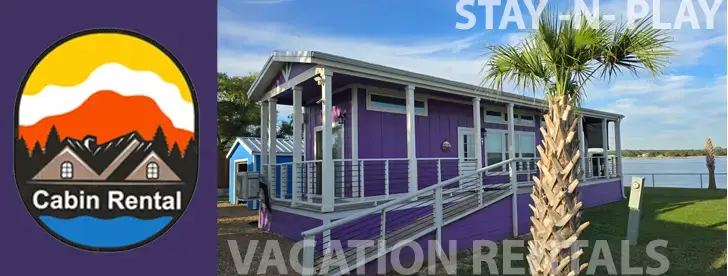
Lakeview Marina / Lakeview RV Park / Lakeview Vacation Cabin Rentals
3041 Jane Ln
Haltom City, TX 76117
View Map