





Cabin Rentals
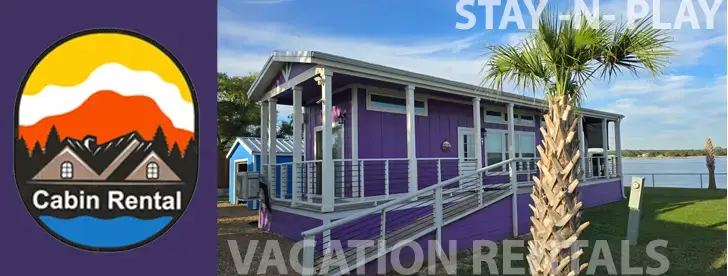
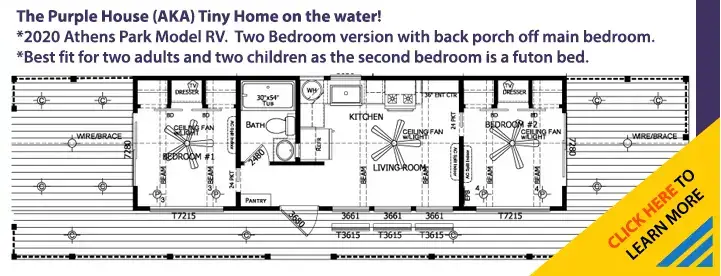
Our cozy Lakeside Cabin Rentals at Lakeview Marina are the perfect way to extend your stay at Eagle Mountain Lake. Whether you're here with a few friends or the whole crew, our cabins offer everything you need for a memorable escape—foosball, shuffleboard, docks, and more! Spend your days on the lake, and in the evenings, stroll over to The Anchor on EML (open seven days a week) or simply enjoy the lakeside sunset. Play a little longer, stay a little longer—your perfect lake getaway is here!
(Click Here) to see more details!

Looking for the ultimate pit stop before hitting Eagle Mountain Lake? Our Bait Shop & Ship Store has everything you need to turn an ordinary lake day into an epic adventure! Need a boat rental? Done. Forgot the fishing gear? We’ve got you covered. Want to chill with an ice-cold beer? It’s waiting! We even have snacks, gas, and all the essentials to keep your day going smoothly. Trust us, you won’t leave empty-handed.
Come on in, grab your gear, and get ready for a day of fun on the lake! (Click Here)

Looking for the perfect lakeside getaway? The Lakeview Marina RV Park has you covered! With spacious sites, easy access to Eagle Mountain Lake, and a boat dock right at your doorstep, it’s the ideal spot for adventure seekers. After a day on the water, unwind with a hot shower or toss a load in our on-site laundry mat. Whether you're here for a weekend or a longer stay, you’ll feel right at home with everything you need for the perfect retreat.
(Click here) to learn more and book your stay!

The Anchor at Lakeview Marina
is the ultimate place to unwind after a fun-filled day on Eagle Mountain Lake. With amazing food, a great atmosphere, and a full-service bar and grill, it’s the perfect spot for friends and family to gather. Enjoy a our lakeside views, or grab a bite for lunch or dinner, all while soaking in the lakeside atmosphere. Whether you're craving a burger or a cold drink, The Anchor on Eagle Mountain Lake has it all. Stop by for great food, fun, and entertainment! Call us at (682) 224-2295 or follow us on facebook at https://www.facebook.com/profile.php?id=61576212793049
(See the MENU for The Anchor EML) - (Click Here)




Understanding the history of recreational vehicle camping requires looking at how American travel itself has evolved. For those considering a stay or exploring the unique atmosphere of an RV Park in Haltom City, Texas, knowing this background adds depth to the experience. The development of organized RV parks reflects massive changes in transportation technology, leisure time, and community structure within the Dallas-Fort Worth metroplex.
Before dedicated RV Park camping spots near Haltom City became commonplace, outdoor recreation was often tied to railroads or localized natural features. The true boom began with the mass adoption of automobiles in the early 20th century. As families acquired reliable vehicles, they sought destinations that could accommodate them for extended periods.
Early forms of organized camping were rudimentary. They involved designated areas—often just cleared land near popular routes or river crossings—that permitted temporary overnight stays. These initial spots lacked modern amenities like full hookups, waste disposal systems, or defined infrastructure characteristic of today's professional RV Park in Haltom City Texas.The necessity for a reliable place to park and service vehicles started driving the need for more formal planning around these camping areas. This early evolution set the stage for what would eventually become structured recreational parks tailored specifically for motorhomes.
The period following World War II marked a significant acceleration in American leisure travel, and Texas was no exception. As disposable income increased and family vacations became more common, the demand soared for organized camping solutions. This era saw dedicated commercial development aimed at catering exclusively to recreational vehicles.
These newer parks began integrating services previously unavailable: electric hookups (essential for modern RVs), water access, sewage disposal facilities, and basic site improvements like gravel pads and paved roads. The establishment of these standardized campgrounds helped solidify the concept that an RV Park was not just a patch of land, but a fully serviced destination.For residents traveling through or living near Haltom City, this growth meant reliable options for temporary accommodations that could support modern recreational vehicles—a crucial development point in local travel history.
As an established community within Dallas County, Haltom City has always been a nexus of regional activity. The strategic location near major thoroughfares allowed it to become attractive for service-oriented businesses, including specialized camping facilities. While general growth patterns influence all local areas, the demand generated by both year-round residents and weekend visitors ensured that RV Park development in Haltom City kept pace with broader Texas travel trends.
Today’s modern parks differ vastly from their early counterparts. When discussing an ideal camping experience in this area, several key infrastructural elements define the quality and reliability expected:
These advancements mean that selecting an RV Park in Haltom City Texas today means choosing a facility built on decades of learned industry best practices.
It is important to understand this conceptual shift: camping has moved beyond merely sleeping outdoors. A modern RV park functions as a temporary community and recreational destination. The history reflects a maturation process—from simple overnight parking spots (early 20th century) to fully managed, amenity-rich vacation havens.
This evolution makes the experience of visiting an established facility in Haltom City unique. It combines historical infrastructure understanding with cutting-edge modern comforts, ensuring that whether your trip is a weekend getaway or an extended stay, the supporting services are top-tier and reliable for recreational vehicle owners traversing Northwest Dallas camping spots.Conclusion: The Enduring Appeal of RV Park Camping
The story of the RV Park history in Haltom City, Texas, is a microcosm of American mobility itself. It tracks the journey from basic roadside rest stops to sophisticated, full-service recreational centers. For travelers today, choosing an established park means tapping into this rich infrastructure—a place where decades of planning and adaptation ensure comfort, security, and reliable amenities for your motorhome adventure.
Whether you are exploring local Texas attractions or simply seeking a peaceful retreat near the heart of Dallas County, understanding how far RV camping has come makes staying at a professional facility in Haltom City an even more rewarding experience.
Embarking on an RV adventure is one of life's great pleasures, offering unmatched freedom and access to breathtaking natural beauty. However, a successful trip depends heavily on finding the right place to rest your wheels—the ideal RV Park. Choosing where you will park can make or break an entire journey, as it dictates your amenities, community experience, and overall comfort level while traveling with an RV.
An excellent RV camping destination is more than just a patch of grass; it’s a self-contained getaway designed for the modern traveler. When searching for the best RV park, consider looking beyond basic spots to amenities that enhance your stay and ensure you have everything needed for hassle-free RV camping.
When evaluating potential locations, keep these core features in mind. These elements define the quality of an overall RV park experience:
Not all RV parks are created equal. The ideal park depends entirely on your travel goals—whether you seek luxury, rugged simplicity, or a quiet natural retreat.
If comfort is paramount, resort-style RV parks often provide premium amenities like clubhouses, pools, professional maintenance services, and sometimes even full concierge service. These are perfect for longer stays where you want the feel of a vacation destination without leaving your vehicle.
For those who prefer to truly disconnect and embrace nature, rustic RV parks offer more open space and fewer built amenities. While hookups may be limited compared to resort settings, they provide an unparalleled sense of tranquility and a deeper connection with the natural environment.
These are popular year-round spots that cater heavily to long-term residents or extended trips. They often feature established community vibes, dedicated seasonal amenities, and highly reliable infrastructure for continuous RV camping enjoyment throughout various seasons.
Once you have narrowed down your search to a few promising RV parks, optimizing your site selection within that park is key. The location of your spot can dramatically affect noise levels and convenience.
The fun of traveling with an RV is often found in the activities surrounding the park itself. A great RV park acts as a base camp, allowing you to explore without needing constant setup and teardown.
When planning your itinerary around an RV stay, consider local attractions such as:
In summary, finding the perfect RV park requires careful consideration of amenities, desired ambiance (rustic versus resort), and proximity to local activities. By understanding these factors, you can ensure your next trip is not just a journey, but a truly memorable adventure in RV camping.
Understanding the RV Park history in Haltom City, Texas, requires tracing a journey that parallels the growth of automobile culture itself. What were once agricultural fields or quiet rural tracts have evolved into thriving recreational havens catering to modern travelers and seasonal residents. The story is one of transformation—from traditional ranching land to premier destinations for motorhome enthusiasts.
Before the advent of widespread motorized travel, camping as a concept was localized, often centering around natural features like rivers or established community gathering points. The area that now comprises modern RV parks in Haltom City initially developed its character through farming and local commerce serving the burgeoning Dallas-Fort Worth metroplex periphery. Land use decisions were dictated by agriculture and rail lines, not recreational vehicle traffic.
However, even in these early days, natural areas served as temporary rest stops for wagon trains or travelers passing through North Texas. This inherent suitability of the land—its mix of open space, relative tranquility, and accessibility to major routes—laid the groundwork for future camping developments. The initial appeal was always rooted in nature’s proximity.
The true inflection point arrived with the proliferation of automobiles in the 20th century. As roads improved connecting Haltom City to larger metropolitan centers, so did the demand for overnight stopping points that weren't traditional hotels or established townsites. This marked the beginning of structured camping areas.
Following World War II, American leisure time and disposable income dramatically increased. Coupled with the invention of more durable recreational vehicles (RVs), this period fueled an explosive growth in dedicated camping destinations across Texas. This era saw the formal establishment and professionalization of what we now know as modern RV parks.
Developers began incorporating advanced services, moving beyond just a patch of grass for pitching tents or parking trailers. They started offering full hookups (electricity, water, sewer), recreational facilities like pools and laundry areas, and organized community spaces—all essential components defining the contemporary experience in Haltom City RV parks.
Today’s camping destinations reflect this rich history. While they benefit from decades of planning that addressed everything from basic sanitation to high-speed connectivity, these modern sites still honor their historical roots by maintaining a strong connection to the natural environment surrounding Haltom City.
The enduring appeal of RV Park history in Haltom City, Texas lies in its ability to blend rural tranquility with unparalleled logistical convenience. Whether you are visiting for weekend leisure or extended seasonal stays, these parks represent generations of adaptation—a perfect convergence point between the pioneering spirit of early travelers and the sophisticated demands of today's recreational vehicle owner.
Exploring the historical development reveals that camping in this area is not just a pastime; it is part of North Texas’s evolving leisure infrastructure. The commitment to maintaining quality facilities while respecting the regional history ensures these parks remain popular destinations for campers visiting Haltom City, regardless of their specific travel needs or preferred style of camping near Dallas.
When considering where to plant roots or invest within Central Texas, Halton City Texas presents a compelling blend of established community charm and modern growth potential. Recognized for its welcoming atmosphere, convenient access to major thoroughfares, and commitment to quality living, exploring what makes this area unique is an enjoyable journey. Whether you are searching for the perfect family home or simply looking into amenities available in Halton City Texas, understanding the fabric of life here reveals a vibrant community spirit.
One of the most attractive aspects when discussing real estate in this region is how seamlessly Halton City Texas manages expansion while retaining its neighborhood feel. Unlike some rapidly developing areas, much of Halton City has successfully integrated new infrastructure with existing local character. This balance means residents enjoy modern conveniences without sacrificing a sense of genuine community connection.
The area’s strategic location makes it an ideal base for professionals working in neighboring metropolitan hubs, yet the pace of life within Halton City Texas encourages relaxation and outdoor activity. The commitment to improving public spaces and local services is evident across various neighborhoods throughout Halton City.
A key part of understanding living in Halton City involves looking at the available amenities. Residents benefit from a robust network of parks, recreational facilities, and commercial centers that cater to all ages and interests. These local attractions ensure there is always something enjoyable planned.
For those interested in real estate Halton City Texas offers diverse housing types and price points, appealing to first-time buyers through seasoned homeowners looking to upgrade their lifestyle. Whether the search is for a sprawling family residence or a cozy starter home, the local market provides options designed to fit various budgets.
The growth in Halton City Texas has spurred continuous investment in housing infrastructure. Developers and long-term residents alike benefit from an area that prioritizes modern construction standards while maintaining access to established community services. When considering property values or making a move, the stability and increasing appeal of Halton City TX are major factors.
The success of any community is often measured by its sense of togetherness. In Halton City Texas, there appears to be a strong emphasis on civic participation and neighborly connection. Local schools, religious institutions, and volunteer groups contribute significantly to the cohesive fabric that defines daily life here.
The atmosphere surrounding Halton City is often described as friendly and welcoming—a hallmark feature for newcomers looking to settle down in Central Texas without feeling overwhelmed by a massive urban environment. This unique blend of scale makes it highly desirable.
Incorporating the practical aspects into your consideration helps paint a full picture of living in Halton City. The infrastructure supports daily life efficiently, minimizing commute stress while maximizing time for family and leisure activities.
Accessibility is paramount when choosing a location, and Halton City Texas excels here. Its positioning allows residents quick access to major regional highways, connecting them easily with surrounding employment centers, shopping hubs, and natural attractions across the greater region. This connectivity greatly enhances the quality of life in Halton City.
The educational commitment within Halton City is a point of pride for many families. The area supports several highly-regarded school districts, ensuring that children have access to resources designed to foster academic excellence and personal growth right where they live.
In summary, Halton City Texas represents more than just a geographic location; it is a lifestyle choice. It offers the perfect intersection of rapid development for modern living amenities combined with a deep-rooted community character that makes residents feel at home from day one. If you are evaluating your options in Central Texas and desire an area known for its strong sense of place, excellent local services, and impressive growth potential, learning more about Halton City is the ideal next step.
The combination of accessible amenities, desirable real estate opportunities within Halton City TX, and a palpable community spirit solidifies Halton City's standing as one of Central Texas’ most appealing places to call home.
The concept of a dedicated place to park recreational vehicles has evolved dramatically alongside automobile technology itself. Understanding the RV Park history reveals a fascinating journey that mirrors American mobility and changing leisure habits. From simple roadside stops for early campers to today’s highly regulated, amenity-rich destinations, the evolution of the modern RV park is a testament to human desire for both adventure and comfort.
The need for organized camping areas predates the motorhome by decades. Early forms of travel relied on wagons or rudimentary automobiles that required stopping points near natural resources—rivers, forests, and scenic overlooks. These initial stops were informal campgrounds, often managed locally with minimal infrastructure.
As vehicles became more reliable in the early 20th century, organized camping began to take shape. While these weren't specifically "RV parks," they laid the groundwork for controlled overnight stays. The development of national forests and state park systems provided structured areas where travelers could pitch tents or keep basic trailers parked temporarily.
A massive inflection point in RV Park history occurred during the post-World War II economic boom. Increased disposable income, combined with the rapid expansion of highway systems (like the Interstate Highway System), made long road trips accessible to a broader population.
The rise of standardized recreational vehicles and trailers necessitated dedicated infrastructure that could safely accommodate these growing mobile accommodations. Early commercial parks began appearing along major travel routes. These early operations recognized that they needed more than just raw land; they required utilities, such as fresh water hookups, sewer disposal points, and electrical power—a critical step in the evolution of camping.
The success of these initial motorhome parking developments proved that a standardized service model was viable. This period saw the commercialization of mobile living accommodations becoming mainstream leisure activity.
As RV Park history progresses into the latter half of the 20th century, what started as simple spots for parking evolved into highly professionalized resorts. Campgrounds recognized that amenities were key to customer retention and growth. This transition marked a significant departure from basic camping.
The need for predictable quality became paramount. Owners of these properties invested heavily in grading roads, implementing robust zoning rules within their park boundaries, and developing operational standards that defined modern camping.
Today’s recreational vehicle industry is characterized by increasing luxury expectations and a focus on sustainability. When examining contemporary RV Park history, several key trends emerge:
Modern parks are integrating technology into the guest experience. This includes reliable high-speed internet access (essential for remote working travelers), smart utility management systems, and digital reservation processes. The goal is to make the stay as seamless as a hotel booking while retaining the freedom of camping.
Environmental responsibility has become critical in campground development. Newer parks are focusing on sustainable practices—water conservation measures, waste reduction programs, and minimizing ecological impact during construction and operation. This shift reflects a growing consumer awareness regarding outdoor preservation.
Modern RV travel is less about simply moving from Point A to Point B; it's about the destination itself. Therefore, successful parks are increasingly designed not just for parking but as destinations in their own right—offering themed activities, local partnerships with attractions, and unique community gatherings.
The RV Park history is a story of adaptation. It moved from rudimentary roadside stops to sophisticated, utility-rich communities designed for leisure travel. As technology continues to advance and travelers seek deeper connections with nature while demanding modern comforts, RV parks will continue to evolve. They are poised not just to accommodate motorhomes, but to serve as fully integrated vacation hubs that support the global trend toward mobile living.
The enduring appeal of camping—the blend of self-sufficiency, connection to nature, and reliable comfort—ensures that well-managed RV parks will remain a cornerstone of American leisure travel for decades to come. The journey from basic dirt lot to highly engineered park reflects the ongoing partnership between human ingenuity and the open road.
Understanding the RV Park history reveals a fascinating journey that mirrors the growth of American leisure time and personal mobility. Far from being just temporary stopping points for campers today, modern recreational vehicle parks have deep roots in early forms of organized outdoor camping. Tracing this rich history shows how necessity evolved into an industry built around comfort, community, and adventure.
Before standardized travel trailers became common, gathering spots for campers were often informal. The earliest precursors to today's structured RV parks involved designated campsites near natural attractions, such as rivers or scenic overlooks. These initial locations required minimal infrastructure and served primarily primitive camping needs. As automotive technology improved in the early 20th century, the concept of formalized recreational camping began to take shape.
The development was heavily influenced by National Forest Service initiatives that sought to manage popular outdoor areas for public use. Early parks were less about amenities and more about providing basic access points—a foundational aspect influencing all subsequent elements of caravan park development.
The true acceleration in the history of RV camping occurred following World War II. This period marked a massive increase in disposable income, coupled with an unprecedented rise in automobile ownership and leisure time for middle-class families. Suddenly, owning a recreational vehicle was achievable for many households.
The sheer volume of people wanting convenient places to stay led operators to professionalize the camping experience. Simple campgrounds began evolving into true RV parks. These early commercial parks started introducing essential services: running water, electric hookups (crucial for modern RVs), and more organized site layouts than previous wild campsites allowed.
This post-war boom established many of the operational standards we recognize today in terms of utility connections and community facilities within a mobile home park setting. The ability to reliably service large recreational vehicles was key to this growth, cementing RV parks as essential travel infrastructure.
As technology continued to advance throughout the latter half of the 20th century, so did the offerings at these destinations. Early sites focused solely on parking a vehicle overnight; modern RV park history shows an increasing focus on quality lifestyle experiences.
Today's RV Park is a highly specialized hospitality sector. The modern consumer expects reliable connectivity, themed areas (such as pet-friendly zones or activity centers), and immaculate maintenance. Understanding this evolution—from rudimentary dirt lots to complex utility grids supporting thousands of square feet of temporary living space—is key to appreciating the depth of RV park history.
The continuous development in site planning, sustainability efforts within parks (managing waste and water use efficiently), and accommodating newer types of vehicles ensures that the industry remains dynamic. The journey from a simple wooded clearing for an overnight stop to today's highly regulated, amenity-rich destination solidifies the RV park as one of America’s most enduring forms of leisure infrastructure.
Delving into the rich tapestry of Halton City Texas history reveals a story of resilience, rapid growth, and deep community roots. Understanding the evolution of this area requires looking back at its early settlement patterns, tracing how it transformed from rural farmlands into the dynamic locale known today. For those interested in local heritage or simply learning about the unique Halton City Texas history, exploring these historical milestones provides a comprehensive view of modern community life.
The initial chapters of Halton's story are tied to the broader development of Central Texas. While specific records detailing the very first settlers can be complex, the area gradually became desirable due to its fertile land and strategic location. Before it was officially recognized as a distinct community center in modern times, this region experienced various waves of migration typical of 19th-century Texas expansion.
Early life revolved around agriculture. Settlers utilized farming techniques that shaped the landscape for generations. The economic backbone during these initial periods relied heavily on crops and livestock. This foundational agricultural history is crucial to understanding why, even as development progressed, many core community values remained deeply tied to the land itself.
A major turning point in Halton City's growth was often linked to improved transportation and infrastructure. As railroads expanded through Central Texas during the late 19th and early 20th centuries, small settlements gained vital connections to larger markets. These infrastructural improvements allowed local goods to move efficiently, fostering trade and drawing more permanent residents.
The mid-20th century marked a period of significant acceleration in development for Halton City. As the surrounding region expanded its population base—driven by economic opportunities outside immediate farming—the need for organized urban planning became paramount. This transition from an agricultural outpost to a burgeoning town required careful community effort and civic investment.
Understanding the modern Halton City Texas history involves acknowledging its shift towards commercial and residential development. The post-war economic boom fundamentally reshaped how people lived and worked in Halton. While retaining elements of its original small-town charm, the influx of new industries required expanding services—from schools to retail centers.
The local government played a critical role during this period of rapid change. Efforts were made not only to accommodate growth but also to preserve historical character amidst construction. This balancing act between progress and preservation defines much of modern Halton City Texas history narratives today, ensuring that the past informs the future.
Several elements have contributed profoundly to what makes Halton a unique place in Central Texas: local commerce, community institutions, and its connection to regional transportation corridors. The continued presence of small businesses alongside large modern enterprises illustrates the town's adaptability.
The ongoing study and appreciation of Halton City Texas history is not merely an academic exercise; it is vital for maintaining civic identity. Historical societies often work tirelessly to document original buildings, oral histories from long-time residents, and archival records that tell the untold stories of those who built this community.
As Halton continues its trajectory into a more modern era, recognizing these historical layers—the early pioneer grit mixed with 21st-century innovation—allows current residents to feel connected not just to their physical address, but to generations of people who preceded them in the vibrant story of this Texas community.
In summary, the comprehensive narrative of Halton City is one defined by adaptation. From humble agricultural roots through periods of rapid industrialization and modern residential expansion, Halton City Texas history provides a compelling lesson in how human communities evolve while retaining core values. Exploring these layers ensures that the legacy remains strong for future generations.
Exploring the rich and multifaceted Haltom City Texas history reveals a story of gradual growth, strategic development, and deep community spirit within the expansive Dallas-Fort Worth Metroplex. From its humble beginnings as rural farmland to becoming an integral part of modern North Texas life, understanding this local area's past provides valuable insight into regional expansion patterns.
The story of Haltom City is rooted in the broader agricultural history of Dallas County. Before it was formally incorporated as a distinct municipality, the land that now constitutes Haltom City served primarily as fertile acreage ideal for farming and ranching. Early settlers were drawn to this area due to its natural resources and developing transportation routes connecting larger Texas hubs. The initial development phase saw small family farms establishing roots.
The gradual population increase during the late 19th and early 20th centuries necessitated better infrastructure. These foundational years established a core community identity that would withstand subsequent rapid growth, forming the bedrock of the modern Haltom City Texas history narrative.
The mid-20th century marked one of the most dramatic periods in Haltom City's development. As Dallas grew exponentially into a major metropolitan center, surrounding towns like Haltom experienced significant residential and commercial expansion. This period saw key improvements to local infrastructure, including improved road networks, educational institutions, and essential public services.
The industrialization of the region played a crucial role in shaping its economy. Local businesses began establishing themselves, attracting workers who further solidified the community's character while simultaneously connecting it economically to major employment centers nearby. This era transformed Haltom City from predominantly rural land into a thriving suburban hub with diverse opportunities.
The growth was not just physical; it was social and institutional. The establishment of comprehensive school systems, local civic organizations, and commercial districts helped build the cohesive community feel that remains central to understanding the Haltom City Texas history today. These institutions anchored residents in their locale even as the surrounding area transformed rapidly.
Today's Haltom City stands as a testament to its enduring resilience and ability to adapt while maintaining historical character. The ongoing development continues, integrating modern amenities with preserved architectural elements that speak directly to the area’s pioneering past.
Understanding Haltom City Texas history requires recognizing this balance: it is a community deeply connected to its agricultural roots but fully engaged in the economic and cultural pulse of a major American metropolis. This blend makes for a unique local identity, celebrated through historical preservation efforts alongside modern urban planning.
The overall narrative arc of Haltom City is one of successful evolution. From simple farming communities to vital suburban centers, the area has consistently expanded its role within North Texas. The continued study and appreciation of this rich local history ensure that the unique story of Haltom City remains a cornerstone of regional heritage.
The history of recreational vehicle parks and camping in Haltom City, Texas, is deeply interwoven with the growth of North Texas itself. As automobiles became essential modes of transport and leisure travel flourished, dedicated spots for travelers—the precursor to today’s modern RV parks—became necessities. Understanding this RV Park history Haltom City Texas reveals a story not just of camping infrastructure, but of community expansion alongside outdoor tourism.
Before large-scale recreational vehicle (RV) travel was common, early stopping points in what is now Haltom City served similar functions. In the late 19th and early 20th centuries, travelers passing through this area relied on rudimentary roadside accommodations or established natural camping areas. These initial sites catered to pioneers, wagon trains, and eventually, early automobile tourists.
These earliest gathering spots were less formalized than today's dedicated parks but set the stage for what would become robust Haltom City RV Park facilities. The demand was always present: a safe place to rest vehicles and spend time near natural amenities while exploring Dallas County’s periphery.
The pivotal shift occurred in the mid-20th century with two major developments: the rise of reliable, mass-produced RVs and improved highway infrastructure. Suddenly, families could travel longer distances comfortably, creating a massive new market for dedicated camping grounds.
This era marked the true beginning of the modern RV Park history Haltom City Texas narrative. Developers recognized that standardized, serviced lots were highly desirable. The parks began incorporating amenities far beyond simple pitching spots—including utilities like water and electricity, sanitation facilities, and organized recreational spaces.
The establishment of successful Haltom City camping sites was driven by several converging factors:
Today’s Haltom City area offers highly developed facilities that reflect decades of planning and adaptation. A modern RV park is much more than just a collection of spots; it is an integrated community destination.
When studying the current state of these parks, several advanced features highlight their maturity and commitment to visitor comfort:
The strategic location of Haltom City makes its RV parks a gateway for travelers exploring the broader Dallas-Fort Worth metroplex, as well as those seeking quiet escapes into surrounding natural preserves.
For outdoor enthusiasts and extended-stay campers alike, these local facilities provide continuity. The longevity of RV Park history in this specific location demonstrates its consistent ability to meet evolving traveler needs—from the simple stopover required by a traveling salesman decades ago, to the full weekend retreat sought today.
The story of RV camping and park development in Haltom City is one of successful adaptation. It mirrors America's journey toward mobility and leisure travel itself. From early muddy stopping points to highly organized recreational complexes, the Haltom City Texas area has cultivated a robust history supporting outdoor adventure for generations.
Whether you are planning a quick overnight stop or an extended getaway, understanding this rich local background enhances the appreciation of these essential community resources. The commitment to quality camping experiences ensures that Haltom City remains a prime destination for motorhome enthusiasts across Texas and beyond.
Discovering the perfect RV park is often the most exciting part of any road trip. More than just a place to sleep, an excellent RV park provides a self-contained community and all the necessary amenities for comfortable living while traveling in your recreational vehicle (RV). Whether you are planning a weekend getaway or embarking on a multi-week adventure across state lines, understanding what makes a great camping experience at an RV park is key to maximizing relaxation and minimizing stress.
Choosing an established RV park offers a significant upgrade compared to traditional wilderness camping. These managed facilities are designed specifically for motorhome users, meaning you don't have to worry about finding potable water sources or suitable parking spots when you arrive at your destination. The infrastructure is built around the needs of modern RV owners.
RV parks provide a level of convenience that truly elevates travel with an RV. You get the freedom and adventure of camping while retaining access to utilities, laundry facilities, and often communal recreational areas like pools or playgrounds for families.
When researching the best RV park near your planned route, certain amenities should be on your checklist. The quality of these services directly impacts how enjoyable your stay will be.
The most critical elements are the hookups available at your specific site. Look for sites offering full 30-amp electrical service (or even better, dedicated electric pedestals), potable water spigots, and accessible sewer connections. Adequate size of the RV lot space is also crucial to ensure you can maneuver your vehicle safely.
Beyond basic utilities, modern RV parks invest heavily in guest comfort. Consider if the park offers a swimming pool (especially important during warmer months), playgrounds for children, fire pits for evening gatherings, or even pet amenities if you are traveling with animals.
Look for on-site laundry facilities and reliable Wi-Fi access points within the RV park. Proximity to grocery stores and restaurants adds another layer of convenience, allowing your trip to feel less isolated and more comfortable.
Booking an RV park requires careful planning based on the type of travel you intend. Different parks cater to different needs—from quiet solitude seekers to large family adventurers.
Do you want a secluded mountain RV park surrounded by forest views, or do you prefer being close enough to an urban center for easy day trips? Knowing your desired environment will narrow down thousands of options. Coastal destinations offer beautiful scenery but may have different pricing structures than inland parks.
Be aware that some RV park amenities operate seasonally. A pool might be closed in the fall, and certain attractions could close entirely during winter months or hurricane season. Always check the operational status of key facilities before finalizing your reservation.
The length and width of your specific RV dictates which sites you can book. Never assume all spots are equal; confirming site dimensions is a vital step when researching the best camping location.
Once your perfect getaway at an amazing RV park is secured, preparation is key to a stress-free trip. Here are several expert tips:


