






Cabin Rentals
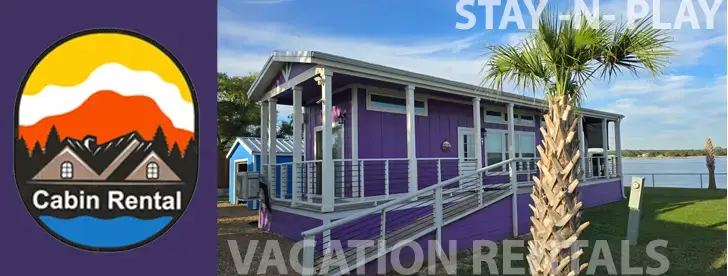
Our cozy Lakeside Cabin Rentals at Lakeview Marina are the perfect way to extend your stay at Eagle Mountain Lake. Whether you're here with a few friends or the whole crew, our cabins offer everything you need for a memorable escape—foosball, shuffleboard, docks, and more! Spend your days on the lake, and in the evenings, stroll over to The Anchor on EML (open seven days a week) or simply enjoy the lakeside sunset. Play a little longer, stay a little longer—your perfect lake getaway is here!
(Click Here) to see more details!

Looking for the ultimate pit stop before hitting Eagle Mountain Lake? Our Bait Shop & Ship Store has everything you need to turn an ordinary lake day into an epic adventure! Need a boat rental? Done. Forgot the fishing gear? We’ve got you covered. Want to chill with an ice-cold beer? It’s waiting! We even have snacks, gas, and all the essentials to keep your day going smoothly. Trust us, you won’t leave empty-handed.
Come on in, grab your gear, and get ready for a day of fun on the lake! (Click Here)

Looking for the perfect lakeside getaway? The Lakeview Marina RV Park has you covered! With spacious sites, easy access to Eagle Mountain Lake, and a boat dock right at your doorstep, it’s the ideal spot for adventure seekers. After a day on the water, unwind with a hot shower or toss a load in our on-site laundry mat. Whether you're here for a weekend or a longer stay, you’ll feel right at home with everything you need for the perfect retreat.
(Click here) to learn more and book your stay!

The Anchor at Lakeview Marina
is the ultimate place to unwind after a fun-filled day on Eagle Mountain Lake. With amazing food, a great atmosphere, and a full-service bar and grill, it’s the perfect spot for friends and family to gather. Enjoy a our lakeside views, or grab a bite for lunch or dinner, all while soaking in the lakeside atmosphere. Whether you're craving a burger or a cold drink, The Anchor on Eagle Mountain Lake has it all. Stop by for great food, fun, and entertainment! Call us at (682) 224-2295 or follow us on facebook at https://www.facebook.com/profile.php?id=61576212793049
(See the MENU for The Anchor EML) - (Click Here)

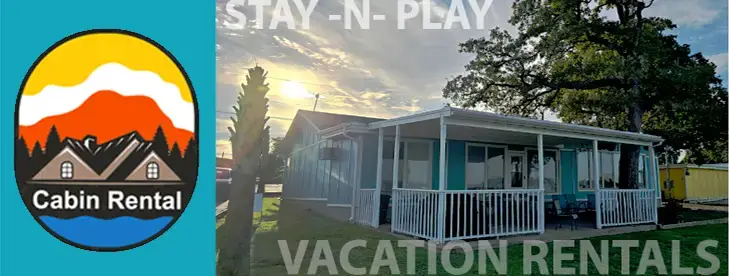



Exploring the evolution of vacation rentals in Lewisville, Texas, reveals a fascinating story intertwined with the city's rapid growth and changing tourism landscape. Understanding the vacation rentals history Lewisville TX provides valuable insight into how residential property use has adapted from a quiet suburban community to a highly desirable destination for temporary stays.
Before the digital age and standardized platforms, the concept of renting accommodation temporarily existed in Lewisville through traditional means. Historically, when people visited or moved away for extended periods, they utilized local boarding houses, rented rooms from private owners on a short-term basis, or stayed at established hotels near major thoroughfares. These early arrangements lacked the professional management we associate with modern platforms like Airbnb and VRBO.
The initial focus was purely residential; properties were designed for long-term family living. Any temporary rental arrangement was often an informal agreement between neighbors or local real estate agents, making it difficult to trace a clear commercial vacation rentals history Lewisville TX until the internet provided scalable tools.
As Lewisville experienced steady residential growth throughout the late 20th century and into the early 21st, demand for temporary housing increased dramatically. While much of this was driven by corporate relocations or visiting family rather than traditional tourism, it laid the groundwork for modern short-term rental use.
Real estate patterns began to shift subtly. Owners realized that their properties could generate supplemental income not just through long leases, but also through seasonal rentals or weekend getaways, fueling early interest in alternative accommodation strategies within Lewisville's neighborhoods.
The true inflection point for vacation rentals history Lewisville TX came with the advent of online listing platforms. These technologies democratized property access, allowing individual homeowners to list their properties directly to a global audience. This fundamentally changed how both owners perceived and utilized their assets.
Suddenly, entire neighborhoods could participate in the short-term rental market overnight. Owners who might have previously rented out only for extended periods discovered lucrative potential from weekend travelers, corporate visitors needing temporary housing near major employers, or families seeking a unique getaway experience within Lewisville itself.
The growth of the short-term rental market in areas like Lewisville is not simply about profit; it reflects changing lifestyle patterns. Modern travelers prefer "local immersion"—they want to live like residents rather than stay solely in institutional hotel environments. This demand fueled a massive pivot toward residential properties, making them ideal for vacation rentals.
The increasing visibility of platforms dedicated to short-term rental market Lewisville forced local ordinances and regulations to adapt, marking the maturation phase of this industry within Texas suburbs.
Today's vacation rentals in Lewisville represent a sophisticated blend of residential living and commercial hospitality. The vacation rentals history Lewisville TX shows a transition from informal agreements to highly structured, regulated industries that support local economies.
Looking forward, the trajectory suggests continued professionalization and increased regulation. The industry continues to evolve with technological advancements—from smart home features integrated into rental units to advanced management software optimizing turnover rates.
As demand for unique local experiences grows nationwide, specialized vacation rentals that offer a genuine taste of Lewisville life will continue to thrive. Understanding this rich tourism accommodation growth Lewisville narrative shows how the city has successfully integrated temporary residential stays into its core economic and social fabric.
In summary, the journey of vacation rentals in Lewisville is one of adaptation: moving from simple necessity-based housing to a complex, highly profitable sector that defines modern suburban travel accommodations. The history confirms its permanence as a vital component of local commerce and residential property utilization.
Planning a trip should feel exciting, not complicated. When searching for ideal vacation rentals, travelers often face a choice between traditional hotels and unique self-contained accommodations. Understanding what makes modern short-term rental properties so popular can transform your travel planning. This comprehensive guide dives deep into the benefits of choosing high-quality rental properties for your next holiday getaway.
While hotels offer convenience, nothing compares to the space and authenticity found in dedicated vacation rentals. Choosing a self-contained unit allows groups and families to truly settle into the local rhythm, making the experience feel more like living at a temporary home than staying in a transient room.
One of the biggest draws of vacation homes is the amount of space. Instead of sharing common facilities or being restricted to one bedroom, rental properties often include full kitchens, separate living areas, and multiple bedrooms. This setup provides unparalleled privacy—a major benefit when traveling with family groups.
For larger parties, staying in a large rental property is frequently more budget-friendly than booking several hotel rooms. Furthermore, having access to full kitchen amenities means you can prepare meals rather than eating out three times a day, which dramatically reduces overall travel costs associated with finding great holiday accommodations.
Traditional hotels are designed for maximum efficiency; vacation rentals are often situated in desirable neighborhood locations. This means you aren't trapped within the hotel bubble but have direct access to local shops, parks, and authentic dining spots, enhancing your overall travel experience.
The term "vacation rental" covers a vast array of accommodations. Knowing what type best suits your group size and desired atmosphere is key to successful booking. Whether you are looking for an urban retreat or a secluded getaway, there is the perfect rental property waiting.
These properties offer maximum privacy and typically include luxury amenities like private pools or dedicated outdoor entertaining spaces. They are ideal for large families or groups looking to spend quality time together in a beautiful setting, making them premium vacation rentals choice.
For travelers who prioritize location over sheer size, modern condos offer the perfect blend of convenience and comfort. They usually include essential amenities like laundry facilities and fully equipped kitchens while remaining central to major attractions. These make excellent short-term rentals in busy city centers.
The market for unique stays has exploded, offering everything from historic cottages to modern treehouses. If your goal is a truly memorable experience that goes beyond standard travel lodging, exploring these specialized holiday accommodations can be incredibly rewarding when booking vacation rentals.
To maximize your chances of finding an exceptional stay and ensuring a seamless trip, keep these expert tips in mind:
Choosing quality vacation rentals is an investment in your memories, providing space, privacy, and often better value compared to conventional lodging. From sprawling family villas to cozy city apartments, the variety of rental properties available means that every traveler can find a perfect basecamp for their adventures. By understanding these options, you are well-equipped to book unforgettable holiday accommodations next time.
Ultimately, when your travel goal is comfort combined with local immersion, prioritizing the search for high-rated vacation rentals will elevate your trip from a simple getaway to an immersive experience in destination living. Start planning today and discover why short-term rental accommodations are revolutionizing how we view travel.
The history of vacation rentals in Lewisville, Texas mirrors the rapid growth and evolving character of the community itself. As a suburb positioned strategically within the Dallas-Fort Worth Metroplex area, Lewisville has transitioned from a smaller town to a highly desirable residential destination for both locals and temporary visitors seeking unique accommodations.
Historically, accommodation options in areas like modern-day Lewisville were centered around necessity rather than leisure. Before the advent of widespread internet connectivity and platforms dedicated to short-term stays, "vacation rentals" as we know them today did not exist. Early travelers or temporary residents would rely on traditional methods such as boarding houses, local motels near major thoroughfares, or extended leases from property owners.
The initial draw for people visiting the area was typically related to industrial employment opportunities or proximity to larger metropolitan hubs like Dallas and Plano. These early forms of transient housing established a foundational need—the requirement for temporary dwelling spaces outside of permanent ownership structures that continues to define the market for Lewisville vacation rentals today.
A significant shift occurred as Lewisville began its sustained population boom. As families sought more space and a perceived higher quality of life than in dense urban cores, demand skyrocketed. This growth spurred not only the construction of permanent residential housing but also created an environment ripe for experiential tourism.
The modern Lewisville vacation rentals market really took hold with technological advancements. The ability to list private homes and apartments online democratized short-term renting. Suddenly, property owners could capitalize on their assets by listing them when they were unoccupied, turning residential real estate into a dynamic revenue stream for seasonal visitors.
What draws vacation renters specifically to this area? It is often cited as the balance between suburban comfort and convenient access. Visitors appreciate having proximity to major employment centers while enjoying smaller-town amenities, local parks, and established community feel—a key selling point that enhances the appeal of Lewisville Texas rentals.
Today's landscape for short-term accommodations in Lewisville is diverse. The market has matured beyond simple single-room occupancy; it now includes luxury whole-home rentals, corporate housing options, and specialized getaway properties designed for family gatherings or business retreats.
One of the most significant drivers boosting vacation rental history in Lewisville is corporate travel. Companies frequently send employees to work on projects lasting weeks or months. These extended stays require housing that feels like a home, which makes private vacation rentals highly appealing compared to traditional hotel models.
Furthermore, the location facilitates seasonal tourism linked to local events, sporting activities, and outdoor recreation areas within easy driving distance. This steady stream of event-based visitors ensures consistent demand for high-quality Lewisville vacation rentals throughout the year.
In summary, the evolution of vacation rentals in Lewisville, Texas is a story of successful adaptation. It reflects the community’s ability to sustain rapid residential development while simultaneously catering to the needs of temporary visitors and corporate guests. The history shows a clear progression from basic lodging solutions to a highly sophisticated and desirable market for short-term housing.
Understanding this growth trajectory helps potential renters appreciate not just where they are staying, but the vibrant economic and lifestyle appeal that makes Lewisville an enduring destination within North Texas real estate.
Lewisville, Texas, has emerged as a highly desirable community within the Dallas-Fort Worth metroplex area. For those researching where to live or seeking an understanding of modern suburban life, exploring what makes Lewisville Texas such a robust location is key. The city successfully blends the convenience of major metropolitan access with a genuine small-town feel and strong sense of local identity. Whether you are considering real estate investment or simply looking for wonderful amenities, learning about Lewisville provides valuable insight into its growing appeal.
One of the most frequently praised aspects when discussing Lewisville Texas is the quality of life it offers. Residents often cite the balance achieved between career opportunities and peaceful residential settings. The infrastructure supports modern family living, from excellent local schools to well-maintained public spaces. When people talk about moving to Lewisville TX, they are typically describing a community that feels supportive and welcoming.
The growth of Lewisville has been steady and intentional. Developers and city planners have focused on creating walkable areas and integrating green spaces throughout the neighborhoods. This commitment ensures that even as the population grows, the character of Lewisville Texas remains intact. The local community spirit is a significant draw for new residents.
For active individuals and families, things to do in Lewisville are plentiful. Nature enthusiasts will appreciate the accessible parks that serve as natural gathering points throughout the city. These areas provide room for jogging, picnics, and family outings.
Exploring these outdoor amenities is a perfect way to get acquainted with the lifestyle that defines Lewisville Texas.
The culinary scene in Lewisville has rapidly matured, offering everything from casual neighborhood diners to upscale dining options. This variety ensures there is something for every palate and budget. When searching for local amenities near Lewisville, the robust selection of restaurants stands out.
In addition to dining, residents benefit greatly from accessible shopping areas that feature a mix of national chains and unique local boutiques. The commercial hubs within Lewisville are designed for convenience, making daily errands easy and enjoyable. These amenities contribute significantly to the overall appeal when considering relocation to Lewisville.
For those interested in real estate investment or purchasing a primary residence, understanding the housing market dynamics of Lewisville is crucial. The current demand for homes in this area reflects its desirability and growth trajectory. Whether searching for single-family residences or more modern townhome options, the inventory caters to various lifestyle needs.
The combination of relatively affordable living compared to neighboring major cities, coupled with excellent infrastructure development—including robust road networks and utility access—makes Lewisville Texas a strong contender in the competitive Dallas metro market. The commitment to growth means that new housing developments continue to enhance the landscape around Lewisville.
A key logistical advantage of living in Lewisville TX is its connectivity. Its location provides relatively easy access to major thoroughfares, allowing residents quick commutes into employment centers throughout North Texas. This excellent transportation network minimizes the time spent commuting while maximizing accessibility.
This blend of geographic convenience and established community amenities solidifies Lewisville's reputation as a premier place to call home. The continuous improvements in both public services and private residential areas confirm its status as a thriving suburb within Lewisville Texas.
Ultimately, the appeal of Lewisville Texas lies in its balanced lifestyle proposition. It offers professional growth opportunities without sacrificing community comfort or access to nature. From exploring local parks and enjoying diverse dining options to settling into a stable real estate market, everything about life here is designed for quality living.
For anyone researching where the perfect blend of suburban peace meets metropolitan convenience exists, Lewisville consistently proves itself as an outstanding choice in Texas today.
Understanding the vacation rentals history reveals a fascinating journey that parallels changes in global travel, technology, and human lifestyle itself. What started as simple seasonal lodging has morphed into a multi-billion dollar industry defining how we experience leisure travel today. This comprehensive look at the evolution of short-term accommodations tracks the path from grand resort developments to modern peer-to-peer sharing platforms.
The concept of renting a dwelling for temporary enjoyment is ancient, but formalized vacation rentals as we know them did not exist until the advent of mass transportation and predictable leisure time. Before standardized booking systems, travel accommodation was highly localized.
Early forms included seasonal cottages rented by wealthy families retreating to coastal or mountain areas during certain months. These initial arrangements were often managed through local agents rather than centralized online platforms. The early history of vacation homes emphasized exclusivity and proximity to natural attractions, making the rental experience a status symbol as much as practical lodging.
A major turning point occurred in the mid-20th century. The rise of affordable automobile travel combined with increased global affluence created an entire class of leisure travelers who needed predictable, temporary housing options far from their permanent homes.
This period saw the professionalization of resort towns and chain hotels. While these established corporate models for lodging—the precursor to modern tourism infrastructure—they laid the groundwork for a scalable short-term rental market. The need arose not just for beds, but for an experience that felt personal yet reliable.
Improved air travel and major highway construction were critical enablers in the vacation rentals history. Suddenly, destinations became accessible to a much broader demographic. This shift allowed rental providers to move beyond mere seasonal locales into global hubs, making renting an option for diverse groups.
Prior to the internet, finding vacation accommodations required physical travel agents or local word-of-mouth referrals. Booking was slow and geographically limited. The advent of the World Wide Web fundamentally changed this dynamic.
Early online booking sites began aggregating room types, making comparison shopping possible for the first time. This laid the groundwork for massive platforms that could connect supply (property owners) with demand (travelers) on a global scale.
Perhaps the most dramatic shift in vacation rentals history came with the emergence and scaling of peer-to-peer platforms. These services revolutionized who could be both the host and the guest, challenging traditional hotel models entirely.
This shift was revolutionary because it shifted value from corporate infrastructure back toward individual property ownership and community experience—a core component of modern travel desire.
Today’s vacation rentals market is more complex than ever, influenced by regulations, sustainability concerns, and technological advancements. The continuous evolution means that understanding the full scope of this industry requires looking at current trends:
As popularity grew, so did local government scrutiny regarding zoning laws and short-term rental ordinances. This regulatory aspect is a key part of contemporary vacation rentals history—the struggle between economic freedom for property owners and the desire of residential communities to maintain character.
Modern travelers are less interested in just a bed; they seek an authentic experience. Therefore, successful rental listings emphasize local immersion, unique neighborhood vibes, and tailored activities. This focus on "experience" has driven property owners to make their rentals highly themed or hyper-local.
The vacation rentals history demonstrates a clear pattern: technology always makes the temporary more accessible, and increased global connectivity drives demand. From seasonal cabins requiring local knowledge to sophisticated apps booking properties across continents instantly, the market has accelerated rapidly.
As we look ahead, expect continued integration of smart home technologies, greater emphasis on sustainable travel practices within listings themselves, and ongoing dialogue between platform providers, property owners, and municipal governments regarding responsible short-term rental usage. The journey shows that vacation rentals
Understanding the vacation rentals history reveals a fascinating evolution, mirroring changes in global transportation, disposable income, and cultural attitudes toward leisure travel. While modern platforms make renting temporary homes ubiquitous, the concept itself is ancient, evolving from necessity-driven lodging to sophisticated recreational stays.
The earliest forms of short-term accommodation were dictated by trade and military movements rather than leisure. Before formal vacation rentals existed, travelers relied on inns, caravanserais (in the Middle East), or temporary lodging provided by local communities along major trade routes. These establishments served as vital stopping points—a precursor to organized tourism.
During Roman times and subsequent eras in Europe, roadside taverns and guesthouses emerged. While not marketed for "vacation" purposes today, they fulfilled the core need: temporary lodging away from permanent residence. The development of these early inns marks one of the earliest steps toward understanding travel accommodation.
A significant shift occurred with the burgeoning middle class and improved infrastructure, particularly canals and railways in Europe. This era saw the rise of grand hotels—institutions built specifically to cater to wealthier travelers on extended journeys. These establishments formalized travel lodging.
The history of vacation rentals also includes the development of seasonal resort towns (such as those near coastlines or mountains). Initially, these resorts catered only to royalty and aristocracy seeking curative environments or social status. The requirement for temporary living spaces outside one’s permanent home grew steadily.
The 20th century dramatically accelerated the growth of leisure travel. Two major factors were key: affordable automobiles gave people unprecedented mobility, and increased paid leave allowed more workers to take extended vacations. This period saw the proliferation of motels, roadside inns, and eventually, dedicated vacation properties.
Before digital platforms dominated, renting often meant staying in established resort complexes or booking through physical travel agents who managed inventories of seasonal homes. The infrastructure supporting these vacation rentals became standardized across many developed nations.
The true paradigm shift that defines the modern era of vacation rentals began with the internet. Prior to online booking aggregators, finding a suitable rental property required local knowledge or expensive travel agency bookings. The advent of global Online Travel Agencies (OTAs) revolutionized access.
Platforms connecting private homeowners directly with travelers democratized the market. This shift meant that virtually any residential space could become rentable for short periods, profoundly changing the vacation rentals history by making unique local experiences more accessible than ever before. Today, these platforms are central to global tourism revenue.
The journey from a roadside inn needing temporary shelter to sophisticated digital booking of entire homes demonstrates remarkable resilience and adaptation within the lodging industry. Examining the vacation rentals history shows that while technology changes how we book, the fundamental human desire for exploration and comfortable temporary living spaces remains constant.
Delving into the Lewisville Texas history reveals a story of resilience, rapid growth, and adaptation to its surrounding landscape in North Central Texas. From humble beginnings as an agricultural outpost to becoming a thriving modern community, understanding the deep roots of Lewisville provides fascinating insight into regional American development. If you are interested in local culture or simply want to learn about the history of Lewisville, this comprehensive look at its past will highlight key turning points that shaped the city we know today.
Like many Texas towns, the story of Lewisville is intertwined with westward expansion. The initial settlements were characterized by pioneers seeking fertile land suitable for ranching and farming. While precise records can sometimes be scarce in early frontier periods, it is clear that strategic locations—near natural resources or potential transportation routes—drove the establishment of these first homesteads.
The very foundation of Lewisville was built upon its agricultural potential. Early settlers arrived with basic necessities: livestock and farming tools. The initial economy centered on cotton, grains, and cattle ranching. These early days required immense self-reliance from the pioneering families who would become integral to the Lewisville Texas history.
The naming of Lewisville itself is part of its local lore, connecting it to specific individuals or historical interests that anchored its identity within McLennahay County.
A major catalyst for any small Texas town's growth was improved infrastructure. The arrival of railroads fundamentally changed the trajectory of Lewisville, signaling a move from purely agrarian life to something more commercially robust. This period marked significant changes visible throughout the history of Lewisville.
Rail transportation allowed goods—and people—to arrive and depart on an unprecedented scale. Before trains, local trade was limited by wagon routes; afterward, opportunities expanded exponentially. The rail depot became not just a stopping point, but the economic heart where farmers could sell their crops to distant markets.
As commerce blossomed around the railway lines, diverse businesses began to appear: general stores, blacksmiths, and services catering to travelers and local workers. This period cemented Lewisville’s role as a regional hub rather than just an isolated farming community. Understanding this phase is critical when studying Lewisville Texas history.
Perhaps the most dramatic chapter in the city's development occurred through the mid-to-late twentieth century, transforming Lewisville into a modern suburban center while retaining elements of its historic charm. This growth was fueled by industrialization and population migration from other parts of Texas.
The ability to attract manufacturing facilities played a vital role in sustaining and accelerating the growth of Lewisville TX. These industries provided stable, non-agricultural jobs that attracted large numbers of new residents, necessitating rapid expansion of housing and supporting services.
With increased population density came the necessity for robust community institutions. Schools expanded to accommodate growing student bodies, and civic organizations played an increasing role in maintaining a high quality of life. The commitment to education has always been central to preserving the character detailed within the Lewisville Texas history.
Today's Lewisville stands as a testament to its adaptable past. While it boasts modern amenities and industry, many historical elements—such as preserved downtown architecture or community gathering spots—serve as tangible reminders of the pioneering days. The spirit that characterized early settlers is mirrored by today’s vibrant civic engagement.
When researching Lewisville Texas history, one cannot ignore the synergy between its natural resources and human ingenuity. From cattle drives to corporate headquarters, the town has consistently reinvented itself while building upon a solid foundation of Texan grit.
The comprehensive journey through the history of Lewisville shows it not as a static entity defined by one era, but rather as an evolving community. It is a place where pioneering agricultural life seamlessly transitions into modern industrial success. The deep roots established during early settlement remain woven into the fabric of contemporary daily life in Lewisville.
Further exploration of local historical societies and archival records offers deeper insights into specific aspects of this rich Lewisville Texas history, ensuring that its remarkable story continues to be told for generations to come. The past informs a vibrant present, making it an exceptional place with deep cultural resonance.
The rich Lewisville Texas History is a narrative woven from indigenous traditions, frontier resilience, and rapid modern development within Williamson County. To understand Lewisville today requires delving into its deep roots—a story of continuous growth that transformed a small agricultural settlement into a significant hub in the Dallas-Fort Worth Metroplex area.
Before European settlers arrived, this land was home to various Native American groups. The history of Lewisville begins with these original inhabitants whose deep knowledge of the Texas landscape shaped early resource use. Following periods of conflict and shifting borders common throughout Texas history, Anglo-American settlement began in earnest during the Mexican period.
The initial pioneers faced a rugged frontier environment typical of Central Texas. Early life was centered around subsistence farming and ranching. The establishment of rudimentary trails marked the first permanent claims, laying the groundwork for what would eventually become Lewisville proper. These early settlers were instrumental in developing basic infrastructure necessary to support nascent communities.
A major turning point in Lewisville's development occurred with improvements in transportation and communication during the late 19th and early 20th centuries. The arrival of railroads was a critical catalyst, connecting local farmers and businesses to larger markets outside Williamson County.
The mid-20th century ushered in an era of explosive population growth for Lewisville. As Dallas expanded its influence westward, the area became highly desirable for residential development. This period saw the transformation from predominantly agricultural land into a sprawling suburban community while retaining much of its historical character and sense of local identity.
Understanding Lewisville Texas history is best done by examining several pivotal developments:
Today, Lewisville represents a blend of deep historical roots and dynamic modern growth. While the pace of life has accelerated dramatically compared to its early days, the foundational character established by those first settlers remains visible.
The current status of Lewisville as an integral part of one of Texas's most rapidly growing metropolitan areas showcases successful urban planning alongside respect for local heritage. The continuous evolution proves that while Lewisville is constantly adapting to modern demands, its enduring spirit and commitment to the Williamson County community remain central.
Exploring the history of Lewisville provides a comprehensive look at how smaller Texas communities successfully navigate rapid economic change by honoring their past while embracing future growth opportunities. The story continues to be written through continuous residential development and commercial expansion across this vibrant part of Central Texas.
Exploring the history of vacation rentals in Lewisville, Texas, reveals a story deeply intertwined with the growth of personal automobile travel and evolving regional tourism patterns. For those interested in understanding how local accommodation has changed over time, tracing these roots provides valuable context for today's vibrant short-term rental market.
Lewisville has always been a hub benefiting from its strategic location near major metropolitan areas. However, the modern concept of renting a private home or apartment—the core element of vacation rentals Lewisville Texas residents and visitors now utilize—is a relatively recent phenomenon in local history. Understanding this evolution helps appreciate why owning property for short-term stays became such an economic driver.
Before the proliferation of dedicated getaway listings, temporary accommodation relied heavily on traditional hotels and motels that sprung up along major thoroughfares passing through Lewisville. In earlier decades, a visit was often planned around attending specific events or visiting family rather than purely for leisure in an independent rental unit. The initial demand was primarily met by standardized lodging options.
These early lodgings laid the groundwork: they established the expectation that people outside of Texas could temporarily reside in Lewisville. While not "vacation rentals" as we know them today, these precursor accommodations proved a vital step toward creating a robust tourism infrastructure for the area and its surrounding communities.
As car ownership became more widespread across Texas during the mid-20th century, travel patterns fundamentally changed. People could now drive to Lewisville specifically for leisure purposes. This surge in mobility created a growing demand that traditional hotel models sometimes struggled to meet efficiently.
This period marked an increase in property owners considering their homes as potential sources of income from temporary guests. While regulations were less formalized than they are today, the concept began shifting: instead of just visiting for business or attending one specific function, people started treating Lewisville itself as a destination requiring extended stays—the true genesis of modern vacation rentals.
The major catalyst transforming temporary lodging was the digital age. The advent of online platforms allowed property owners to connect directly with travelers globally. This shift exponentially expanded the reach and accessibility of Lewisville short-term rental properties, professionalizing what had previously been an informal exchange.
Today’s vacation rentals in Lewisville offer a level of privacy, space, and localized experience that traditional hotels cannot match. The market now caters to everything from weekend getaways for families exploring the Texas Hill Country region to corporate housing solutions for remote workers who choose Lewisville as their temporary base. This diversity underscores how much the local accommodation structure has matured.
Understanding Market Changes in LewisvilleThe growth of this sector hasn't been linear; it involves continuous adaptation to technological shifts, economic changes, and evolving municipal regulations regarding property use. The modern success story of vacation rentals speaks volumes about both the adaptability of Texas homeowners and the sustained appeal of living near a major regional center like Lewisville.
Today’s vibrant vacation rentals Lewisville Texas market reflects decades of accumulated growth in both travel technology and real estate investment strategies. The appeal extends beyond mere accommodation; it offers an authentic, localized experience.
When considering the history of this sector, one sees a clear progression: from basic necessity lodging to sophisticated, fully managed short-term living experiences. This continuous evolution ensures that Lewisville remains attractive both for residents and temporary visitors alike.
The sustained interest in vacation rentals highlights key aspects of modern Texas tourism—a desire for authentic neighborhood immersion combined with the convenience offered by major infrastructure. As property owners continue to manage their properties through these rental platforms, they are not just generating income; they are actively participating in shaping a resilient and dynamic local economy that celebrates its unique history.
Traveling has become an art form of personalized discovery, moving far beyond standard hotel stays. At the heart of modern travel lies the concept of Vacation Rentals. These accommodations offer a unique blend of comfort, space, and local immersion that traditional lodging often cannot match. Whether you are planning a family reunion, a romantic getaway, or an adventurous group trip, understanding how to leverage vacation rentals can revolutionize your next journey.
The appeal of vacation rentals goes beyond simply having multiple bedrooms; it is about experiencing a true sense of place. When you rent a property—be it an entire house, a secluded cabin, or a modern apartment unit—you gain access to amenities and comforts that feel genuinely like home.
Choosing alternative travel accommodation through vacation rentals offers several tangible benefits:
The sheer variety available means that finding the perfect vacation rental requires thoughtful consideration. Matching your trip's purpose with the property type is key to maximizing satisfaction.
Before committing to any booking, always evaluate these factors:
Once you have secured an excellent vacation rental, maximizing your time is part of the fun. Proper planning ensures that every moment feels like a genuine escape.
Many travelers underestimate how much local flavor they can experience simply by choosing where to stay. When you are in an established neighborhood within a vacation rental, take time to:
It is critical to review house rules regarding pets, quiet hours, check-in procedures, and waste disposal before arrival. Adhering strictly to these guidelines ensures a smooth stay for everyone involved.
Vacation Rentals are cementing their place as the leading choice in customizable travel accommodation. They offer flexibility that caters to every budget and group size, making them ideal whether you seek luxury or rustic simplicity. The market continues to grow because travelers increasingly prioritize experiences over standardized hotel stays.
By focusing your search on properties that match both your desired location and lifestyle needs, booking the perfect vacation rental becomes a straightforward process leading to unforgettable memories. Embrace the freedom and comfort of renting an entire home or apartment next time you plan your trip; it is truly one of the best ways to explore new destinations.


