



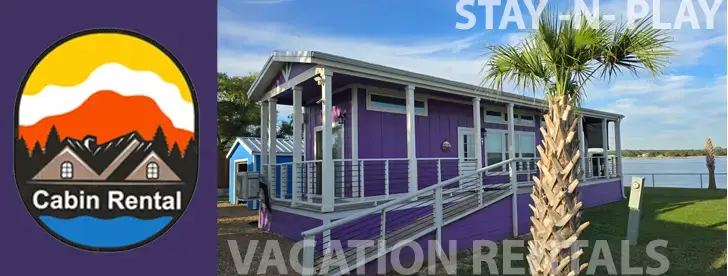



Cabin Rentals
Our cozy Lakeside Cabin Rentals at Lakeview Marina are the perfect way to extend your stay at Eagle Mountain Lake. Whether you're here with a few friends or the whole crew, our cabins offer everything you need for a memorable escape—foosball, shuffleboard, docks, and more! Spend your days on the lake, and in the evenings, stroll over to The Anchor on EML (open seven days a week) or simply enjoy the lakeside sunset. Play a little longer, stay a little longer—your perfect lake getaway is here!
(Click Here) to see more details!

Looking for the ultimate pit stop before hitting Eagle Mountain Lake? Our Bait Shop & Ship Store has everything you need to turn an ordinary lake day into an epic adventure! Need a boat rental? Done. Forgot the fishing gear? We’ve got you covered. Want to chill with an ice-cold beer? It’s waiting! We even have snacks, gas, and all the essentials to keep your day going smoothly. Trust us, you won’t leave empty-handed.
Come on in, grab your gear, and get ready for a day of fun on the lake! (Click Here)

Looking for the perfect lakeside getaway? The Lakeview Marina RV Park has you covered! With spacious sites, easy access to Eagle Mountain Lake, and a boat dock right at your doorstep, it’s the ideal spot for adventure seekers. After a day on the water, unwind with a hot shower or toss a load in our on-site laundry mat. Whether you're here for a weekend or a longer stay, you’ll feel right at home with everything you need for the perfect retreat.
(Click here) to learn more and book your stay!

The Anchor at Lakeview Marina
is the ultimate place to unwind after a fun-filled day on Eagle Mountain Lake. With amazing food, a great atmosphere, and a full-service bar and grill, it’s the perfect spot for friends and family to gather. Enjoy a our lakeside views, or grab a bite for lunch or dinner, all while soaking in the lakeside atmosphere. Whether you're craving a burger or a cold drink, The Anchor on Eagle Mountain Lake has it all. Stop by for great food, fun, and entertainment! Call us at (682) 224-2295 or follow us on facebook at https://www.facebook.com/profile.php?id=61576212793049
(See the MENU for The Anchor EML) - (Click Here)





Little Elm, situated amidst the rapidly growing landscape of North Texas, has a deep and often overlooked connection to its waterways. The story of any modern marina facility is intrinsically linked to the local geography and community growth. Understanding the marina history in Little Elm provides fascinating insight into how recreational boating evolved from simple lakeside access points to complex commercial hubs today. This guide explores the pivotal moments that shaped these vital waterfront areas.
Before formalized marinas existed, watercraft were essential for local commerce and sustenance. The area around Little Elm was historically connected by natural waterways used by settlers passing through Collin County. These early uses laid the foundational groundwork that would eventually support recreational boating.
The need to dock boats safely became apparent as population density increased in the mid-20th century. Early waterfront operations were often rudimentary, relying on private docks and simple mooring areas rather than structured Little Elm marinas we know today. These initial points of contact marked the beginning of formalized boating activity.
As automobile ownership soared and recreational time became more prevalent in American life, demand for organized docking facilities grew exponentially. This period saw significant investment in infrastructure designed to support larger vessels and higher traffic volumes. The transition from informal docks to professional marina complexes was a multi-decade process.
Today’s marinas are far more than just places to tie up boats; they function as critical community centers supporting outdoor recreation and economic activity within the region. The marina history reveals a continuous cycle of adaptation, always improving efficiency while maintaining accessibility for pleasure boaters.
The modern Little Elm marina serves several vital functions:
The evolution of these facilities has fundamentally changed how people interact with the waterways around Little Elm. Today’s marinas cater to diverse interests, from competitive racing and fishing charters to quiet weekend cruising. The ability of the Little Elm marina to adapt its services—whether through expansion or technological upgrades—has kept pace with changing consumer demands.
Understanding this deep-rooted marina history in Little Elm Texas is key to appreciating not just the physical structures, but the enduring spirit of outdoor recreation that defines life here. Future growth will continue to build upon these historical foundations, ensuring that Lake Ray Hubbard remains a premier destination for boating enthusiasts.
The journey from simple lakeside landings to sophisticated modern marinas in Little Elm is a testament to the area's enduring appeal and community commitment. As residents continue to enjoy North Texas’ natural beauty, these Little Elm marinas will remain central points of activity, continuing their long tradition of supporting boating culture while preserving the historical character of this unique waterfront location.
For those drawn by the endless expanse of water, few settings are as captivating or functional as a well-equipped marina. A marina is far more than just docked boats; it represents an entire lifestyle—a blend of recreational opportunity, architectural beauty, and deep connection to the maritime world. Understanding what makes a great boat marina requires looking at its function, its amenities, and the unique experience it offers.
At its core, a marina facility is engineered infrastructure designed for boating activities. It provides sheltered water access points (docks), mooring services, waste disposal systems, utilities, and safety features crucial for safe navigation and boat upkeep. Whether you are looking at the bustling energy of a large commercial port or the serene tranquility of a private yachting marina, these facilities provide essential support structures.
When considering any major boating destination, certain amenities define its quality and appeal. A comprehensive boat marina typically includes:
Beyond the functional aspect, marina life is intrinsically tied to a desirable coastal lifestyle. The proximity to water transforms daily living. Residents and visitors alike benefit from immediate access to boating activities, making leisure effortless.
This unique environment fosters community. Marinas often become social hubs where boat owners gather for weekend cruises, sporting events, or simply enjoying the sunset over their vessel. This sense of belonging is a major draw that elevates waterfront living from merely an address to a true way of life.
Not all marinas are created equal; they cater to diverse needs and budgets, making them suitable for different types of boat owners. Identifying the right type of facility is crucial when planning your boating experience or considering waterfront property ownership near a major body of water.
These facilities are often synonymous with high-end amenities, offering concierge services, premium docking options, and exclusive access to fine dining. They cater primarily to the yachting crowd seeking unparalleled service alongside their vessels. The focus here is on luxury comfort complementing a serious yachting experience.
These are typically high-volume facilities geared toward family fun and accessible boating. You will find numerous slips for fishing boats, smaller cruisers, and personal watercraft. These marinas prioritize accessibility and robust safety measures to ensure that recreational boaters have a safe place to store their vessels between adventures.
While not always focused on leisure, these facilities support commercial marine operations—from fishing fleets to research vessels. They are vital economic engines, providing the infrastructure needed for large-scale maritime trade and supporting local jobs within the boating industry itself.
Whether you plan to spend one weekend or several months embracing marina life, preparation is key. Before settling into any specific location, researching its bylaws regarding boat size restrictions, seasonal closures, and available services will save time and frustration.
The best marinas often provide specialized facilities to keep your vessel in peak condition. Regular hull cleaning, engine servicing, and winterization are essential parts of maintaining a valuable asset. Utilize the on-site resources provided by the marina facility itself; these experts can offer tailored advice specific to local waters.
A core element of any great boating destination is safety infrastructure. Look for marinas with modern emergency response protocols, clear navigational aids, and robust security measures. Safety always trumps amenity when it comes to the sea.
The magic of a marina lies in its duality—it is both a place of grounded permanence (the secure dockage) and limitless freedom (the open water). It provides the perfect nexus for boat enthusiasts, offering everything from basic utilities to ultra-luxury services. For those seeking adventure paired with convenience, exploring marina facilities remains one of life’s most rewarding pursuits.
Exploring the Little Elm marina history reveals a fascinating narrative intertwined with regional economic growth and recreational development. The area's proximity to major waterways has always made it an ideal location for maritime activity. Understanding this local boating culture requires looking back at how waterfront access transformed from basic transportation routes into premier leisure destinations.
Historically, the establishment of marinas in Little Elm was driven by necessity as much as recreation. Before modern recreational vessels became common, waterways served vital commercial and travel purposes. As Houston expanded its reach northward, reliable docking facilities were essential for both commerce and community movement. The evolution from small docks used by local fishermen to sophisticated Lake Ray Hubbard marina complexes illustrates significant regional growth.
The earliest forms of waterfront use centered around natural inlets, which provided sheltered anchorages for early settlers. These initial docking points were rudimentary but crucial, establishing the foundation for what would eventually become modern marinas. The demand for reliable boating services grew steadily throughout the 20th century, paralleling increases in personal vehicle ownership and leisure time.
Keyword Focus: Early boater communities established a strong tradition of waterfront living. These initial developments laid out the blueprint for today's robust recreational infrastructure that defines Little Elm’s connection to water activities. The history shows a steady commitment to maintaining high-quality access, making it an attractive location for continued recreational waterfront development in Little Elm.
As the population of Little Elm grew and its reputation as a desirable place to live expanded, so did the focus on specialized marina facilities. The transition from purely functional docks to modern marinas meant an enhancement of amenities—from maintenance services to slips designed for diverse vessel sizes.
The continued success of the marinas is a testament to Little Elm's strategic location, offering unparalleled access while maintaining a community feel that honors its maritime past.
Today’s facilities continue to honor their Little Elm marina history by balancing historical preservation with cutting-edge modern infrastructure. Whether it involves expanding slips or upgrading utility hookups, the overarching goal remains consistent: providing safe and efficient access for boat owners.
The ongoing development in Little Elm demonstrates a commitment not just to building docks, but to nurturing an entire lifestyle centered around water recreation. This dedication solidifies the area's reputation as a prime destination with deep historical roots in boating excellence. For those interested in Little Elm TX boating history, recognizing this evolution from simple necessity to sophisticated recreational hub is key.
Discovering Little Elm Texas reveals a community that masterfully blends suburban tranquility with vibrant modern amenities. Whether you are relocating, planning a weekend getaway, or simply curious about what makes life in Little Elm TX so appealing, this guide provides an exhaustive look at everything this charming town has to offer. From its beautiful residential neighborhoods to the engaging local attractions, Little Elm is quickly becoming one of North Texas' premier destinations.
What defines Little Elm? It’s a blend of pastoral settings and modern convenience. The town has grown significantly while retaining a strong sense of community spirit. Many people are drawn to the lifestyle available in this specific area of Dallas-Fort Worth Metroplex. When searching for places where family life can flourish, Little Elm consistently ranks high due to its excellent schools, safe streets, and ample green spaces.
The local economy supports a wide array of businesses, ensuring that residents have easy access to shopping, dining, and professional services right within Little Elm Texas. The overall atmosphere is welcoming, making it an ideal place for first-time homeowners or established families alike.
While the residential appeal of Little Elm TX is undeniable, the town also boasts several exciting attractions that keep visitors engaged year-round. Planning a trip to Little Elm means planning fun activities for all ages:
For those considering making Little Elm TX their permanent home, the housing market offers tremendous variety. The neighborhoods are meticulously designed, catering to different needs—from cozy starter homes perfect for young couples to expansive family estates.
Families traveling to or moving to this area will appreciate the proximity to larger regional attractions while still enjoying a contained, walkable community feel within Little Elm itself.
When planning outings, consider these family-friendly activities:
The convenience factor is a major draw to this community. Residents benefit from numerous local amenities that make daily life seamless:
In summary, whether your interest in Little Elm Texas stems from the desire to buy a beautiful home or simply plan an enjoyable visit, you will find endless reasons to love this community. The perfect balance of suburban comfort and active recreation ensures that every visitor leaves with fond memories of their time exploring Little Elm.
The commitment to growth while preserving its charm solidifies Little Elm's reputation as one of the most desirable places in North Texas today, making it an excellent choice for families seeking community connection and high quality living standards. Planning your visit or move to this wonderful area is rewarding!
Understanding marina history reveals a fascinating intersection between human ingenuity, maritime necessity, and technological advancement. A modern marina is far more complex than just docks; it represents centuries of evolution in how people interact with navigable waterways. Tracing the comprehensive marina history allows us to appreciate not only architectural progress but also shifts in global trade, recreation patterns, and naval power.
Before dedicated marinas existed as we know them today, early docking methods were dictated by the immediate needs of survival and commerce. The earliest forms of safe harbors functioned essentially as rudimentary docks. These natural anchorages provided shelter from harsh weather and served as critical points for exchanging goods.
The initial requirement was always protection. Ancient civilizations relied heavily on deep-water coves or sheltered bays, which naturally formed the basis of early port development. These natural harbors were crucial centers for trade routes connecting distant communities. The need to secure vessels meant that simple mooring points—roped buoys attached to fixed posts—were among humanity's first maritime engineering feats.
As settlements grew, the demand for controlled docking increased. Early man-made structures were often built using local timber and stone, designed primarily for loading and unloading goods rather than leisure boating. These initial docks marked a significant step in marina history because they allowed predictable access regardless of tide levels or natural sedimentation.
The period spanning the last few centuries brought radical changes to global transportation, fundamentally reshaping what docking facilities could achieve. The advent of steam power, iron ships, and larger vessels demanded more robust and complex structures than previous eras had provided.
During periods of intense naval activity, ports expanded rapidly. Governments invested heavily in deep-water piers capable of accommodating massive warships. This military demand set a high standard for structural engineering that commercial marinas later adopted and adapted for civilian use. The expansion required sophisticated systems for managing tides and providing protection from strong currents.
As steamships gave way to early motorized vessels, the focus of marina history began shifting toward ease of access and commercial efficiency. Docking infrastructure became standardized, utilizing pilings and fixed walkways that could support diverse types of hulls. This era saw the development of basic slip systems—areas designed for individual vessel docking—which is a hallmark feature still present in modern marinas.
Today’s marina differs dramatically from its industrial predecessors. While it retains core functions related to maritime commerce, much of the contemporary marina history focuses on recreation and luxury access. The design must accommodate everything from small fishing dinghies to enormous superyachts.
Modern construction utilizes advanced materials like treated lumber, reinforced concrete, and durable composite plastics. These innovations allow marinas to be built more resiliently against salt corrosion and extreme weather changes while maintaining a lower environmental footprint than older methods. Understanding these material advances is key to grasping the full scope of marina evolution.
A critical component of modern marina history involves technology. Sophisticated navigational aids, advanced waste management systems, automated fueling stations, and integrated security monitoring are now standard features. These technologies ensure safety while maximizing the utilization of valuable waterfront space.
Many contemporary marinas operate as hybrid facilities. They support commercial fishing operations one day and host high-end yachting events the next. This dual purpose requires highly flexible infrastructure—modular docking systems that can be quickly reconfigured to meet varied demands, whether for large cargo ships or smaller recreational cruisers.
The journey through marina history is a testament to human adaptability and the enduring connection between humanity and water. From simple natural coves used by ancient fishermen to highly engineered hubs capable of supporting global tourism, marinas continue to evolve alongside maritime technology.
As environmental awareness grows, future marina development will emphasize sustainability—incorporating renewable energy sources within their operations and designing structures that minimize impact on delicate estuarine ecosystems while continuing to serve as vital gateways for commerce, culture, and recreation. The story of the modern marina is still being written.
Understanding marina history requires tracing a journey from basic natural anchorages to highly sophisticated recreational hubs. At its core, a marina is more than just docks; it represents centuries of human innovation in managing access to navigable waterways for seafaring and leisure.
The very first "marinas" were simply the most sheltered natural coves or bays. For early civilizations, a reliable anchorage was synonymous with survival. The necessity of secure docking dictated human settlement patterns near coastlines. These ancient harbors served not only as temporary stopping points but also as critical commercial nodes for trade and military activity.
The development during this period focused entirely on harnessing nature's protection. While sophisticated dock structures were nonexistent, the strategic management of natural currents and tides was paramount to successful early seafaring life. The basic need—a safe place to moor a vessel—has remained constant throughout marina history.
As maritime trade expanded during antiquity and into the medieval period, simple anchorages began evolving into more structured docking areas. Early attempts at man-made harbor improvements involved building wharves using massive timbers driven directly into riverbeds or coastlines. These structures were inherently labor-intensive and often required constant maintenance due to decay from water exposure.
The need for reliable, high-capacity moorings fueled the early evolution of dock construction techniques. Commercial boating quickly established these areas as vital points for loading goods, transferring passengers, and resupplying ships before dedicated modern marinas existed. The record of this commercial growth is central to marina history.
Perhaps the most significant turning point in marina history was triggered by the Industrial Revolution starting in the 18th century. Steam power and iron shipbuilding fundamentally changed how boats were built, operated, and maintained. Suddenly, vessels required more sophisticated infrastructure than simple wooden pilings could provide.
The ability to build standardized slipways, larger loading docks capable of handling steam-powered cargo ships, and specialized repair facilities marked the beginning of the modern marina concept. These industrial developments transformed coastal areas into highly organized maritime complexes dedicated not just to stopping boats, but to servicing them with machinery and goods.
The evolution accelerated through the 19th century with advancements in materials science. The shift from purely wooden construction toward iron pilings and eventually concrete allowed marinas to handle larger vessels and withstand greater forces—a critical development for modern marina stability. These structural improvements were vital components of contemporary marina design.
By the 20th century, a parallel yet equally important stream emerged in marina history: recreational boating. As global wealth increased and leisure time became more accessible, marinas shifted their focus from purely commercial freight handling to serving private pleasure vessels.
This transition necessitated specialized amenities that defined modern facilities: utility hookups (water, electricity), waste management systems, dedicated yacht clubs, and complex navigational aids. The development of lightweight fiberglass hulls also played a huge role here, making the maintenance requirements for marinas different from those built around massive wooden sailing ships.
Modern Marina Technology and Future TrendsContemporary marina history is defined by sustainability and technology. Modern facilities must integrate environmental concerns—such as managing runoff, dealing with invasive species, and minimizing noise pollution—with advanced operational needs. Today's expert marinas utilize sophisticated computer mapping for navigation safety, employ floating dock systems that adapt to tidal changes, and incorporate green energy solutions.
In summary, the history of the marina is a microcosm of human technological progress itself: moving from simple natural shelter (ancient harbors) to robust commercial infrastructure (industrial docks), culminating in specialized recreational havens equipped with advanced utility services. The continuous evolution demonstrates how deeply intertwined maritime needs are with economic and social development.
Exploring Little Elm History: A Deep Dive into Texas Growth
The story of Little Elm, Texas, is one rich with transformation, resilience, and growth. For those exploring the unique character of this rapidly developing community, understanding its deep roots in local history provides crucial context. While modern amenities define much of life today, the foundation of what makes Little Elm special was laid by pioneers, agricultural necessity, and strategic location.
To truly understand Little Elm Texas, one must look back to its early days when it served as a semi-rural outpost. The area’s initial appeal stemmed from its fertile land and access to natural resources. Like many settlements in North Texas, the community's earliest inhabitants were primarily focused on farming and ranching. These agricultural roots defined life for generations.
A significant turning point in Little Elm’s history came with the expansion of railroads through the region. Transportation infrastructure is often a catalyst for growth, drawing settlers, businesses, and populations into an area.
As rail lines solidified their presence, Little Elm began its transition from purely agricultural to more commercially viable center. This period saw the gradual increase in population density and diversification of local economies. The railroad did not just move goods; it moved opportunity, fundamentally altering the trajectory of Little Elm Texas development.
The modern era represents an exponential phase of growth for the community. While earlier stages were marked by steady agricultural expansion and necessary infrastructure improvements, recent decades have seen Little Elm become a major destination due to its quality of life and strategic positioning within the greater Dallas-Fort Worth Metroplex.
This rapid development required careful planning and adaptation. The area leveraged its existing historical charm while embracing modern residential and commercial needs. Understanding this transition is key to appreciating how Little Elm has maintained a strong sense of community identity despite massive outward growth, making it one of the most studied examples of suburban evolution in Texas.
A major part of researching Little Elm history involves acknowledging civic development. The establishment and improvement of local schools, parks, and municipal services were vital to sustaining population increases. These public works not only supported residents but also attracted new families looking for a stable environment.
The commitment shown by the community in building robust infrastructure has allowed Little Elm Texas to manage its growth effectively, balancing expansion with preservation of local character. This careful balance is often cited as one of the defining features when discussing Little Elm’s unique appeal.
Beyond brick-and-mortar development, the cultural milestones contribute immensely to Little Elm's history narrative. Local events, community traditions, and educational institutions help solidify a shared identity among residents.
These intangible elements ensure that even as commercial buildings rise and population counts climb, the historical connection to the land and the pioneering spirit remains palpable. The enduring commitment of its citizens is arguably the greatest asset derived from Little Elm’s history.
The journey through time reveals a compelling story for Little Elm Texas—one that moves seamlessly from quiet, agrarian roots to dynamic modern growth. From early farming families making their living off the land, through the catalyst of rail travel, up to today's thriving community, every phase contributes depth and richness.
For residents and newcomers alike, appreciating this deep Little Elm history provides a valuable lens through which to view its future development. It is a testament to adaptation: how an area rooted in Texas agricultural tradition successfully navigated the challenges of rapid modern growth while retaining community spirit. The narrative of Little Elm remains one of continuous evolution.
Exploring Little Elm Texas history reveals a fascinating transformation from a quiet agricultural outpost into the vibrant community it is today. Understanding this rich local narrative requires looking at multiple distinct periods, each shaping the identity and physical landscape of modern-day Little Elm.
The earliest chapter of Little Elm’s history predates formal settlement within Texas boundaries. Like much of its surrounding area in Denton County, this land was utilized by indigenous populations for sustenance long before European arrival. These early inhabitants established patterns that influenced the use and natural resources of what would eventually become a thriving town.
During subsequent periods, the region remained largely rural and agricultural. The initial settlers who arrived were primarily engaged in farming and ranching. Little Elm’s location provided fertile land suitable for various crops, cementing its economic foundation as an agrarian community. This early reliance on agriculture is central to understanding the historical character of Little Elm.
As Texas grew in population and infrastructure developed throughout the late 19th and early 20th centuries, small settlements like Little Elm began a slow process of formalization. The establishment of key transportation routes—roads that later became major thoroughfares—was pivotal. These connections allowed local farmers to transport goods efficiently, facilitating growth beyond subsistence farming.
During this period, the focus was on building self-sufficient small towns. Little Elm developed its foundational civic structures and community gathering places necessary for a growing population base. The initial architectural styles of these buildings reflect this era of modest yet determined expansion within Denton County’s historical context.
Little Elm experienced profound growth following the mid-20th century boom in Texas development. This period marks a significant shift, transitioning Little Elm from a predominantly agricultural center to a rapidly developing suburban hub. The challenge of balancing modern expansion with historical preservation has become a defining theme within contemporary discussions about Little Elm history.
While outward growth is evident today, much of the community’s character remains rooted in its pioneering past. Local historians and long-time residents have played crucial roles in documenting this unique confluence of deep agricultural roots meeting modern suburban demands. The preservation efforts ensure that segments of original historical architecture remain visible.
To fully grasp the scope of Little Elm Texas history, several key elements must be considered:
In conclusion, Little Elm’s history is not just a timeline of events; it is a story of adaptation. It narrates the journey from isolated farming settlements to a modern dynamic community while maintaining deep respect for its agrarian past and rich cultural heritage within Texas.
Exploring the rich marina history in Little Elm, Texas is to delve into a story of transformation—one that mirrors the growth of the community itself. What began as vital waterfront access for local agriculture and early industry has blossomed into one of North Texas's premier recreational boating destinations. Understanding this unique maritime past provides context not only to modern boater life but also to the very character of Little Elm.
To grasp the true scope of Little Elm marina history, one must look beyond the current docks and recreational amenities. Historically, this area was defined by its natural waterways, making water access essential for survival and commerce long before it became a hub for leisure boating. Early settlement relied heavily on these rivers and associated bodies of water connecting Little Elm to larger regional trade routes.
The initial waterfront activity focused less on pleasure craft and more on practical needs: fishing, transport of goods, and local resource gathering. The early infrastructure built around the natural shoreline laid a foundational understanding of how people would interact with this powerful Texas environment—a pattern that continues to influence modern marina design even today.
The development of what we now recognize as the bustling Little Elm boater community was not instantaneous; it was a gradual evolution driven by changing population patterns and economic shifts. The early 20th century saw incremental improvements to docking capabilities, transitioning from simple natural moorings to more formalized structures.
The pivotal shift occurred as Little Elm grew into the vibrant suburb it is today. As residential density increased and local quality of life became a priority for new residents moving into Tarrant County, recreational boating gained prominence. This period marked the transition from purely functional docks to sophisticated marinas designed explicitly for leisure.
The establishment and modernization phases reflect an understanding that water recreation was key to attracting families and maintaining community appeal. Studying this trajectory is central to grasping Little Elm marina history, showing a clear shift in purpose over decades.
Today's facilities are sophisticated testaments to generations of waterfront use. The modern incarnation of the local marina area successfully blends historical respect with cutting-edge recreational capabilities. When considering Little Elm Texas boating, several key elements define its appeal:
This blend ensures that while the facilities are modern and highly efficient, they remain rooted in the natural geography and historical use patterns established by earlier generations.
Little Elm marina history is more than just a collection of dates; it tells the story of adaptation. The constant need to improve access, deepen channels, and expand docking space demonstrates relentless community investment in its waterfront assets.
The success of Little Elm as a boating destination draws thousands annually. This sustained interest has fueled continuous improvements in safety standards, navigational aids, and overall park aesthetics. The marina area continues to be an economic driver that supports local services catering specifically to the recreational boater.
A core challenge—and a point of pride for locals—is how the community has managed rapid residential expansion while preserving its maritime heritage. Efforts have been made to ensure that new development complements, rather than overwhelms, the historical feel and function of the waterfront area.
The story of Little Elm marina history is a compelling narrative of natural resource utilization meeting modern suburban lifestyle. From its earliest days as a crucial waypoint for commerce, through periods of slow growth and dramatic modernization, the waterfront has remained central to life in Little Elm.
Whether you are visiting today simply for leisure cruising or researching the deep roots of local development, understanding this rich Little Elm Texas marina history provides profound appreciation for one of North Texas's most dynamic waterways. It remains a vibrant blend where historical continuity meets modern recreational excellence.
A marina is far more than just a collection of docked boats; it represents an entire lifestyle, a hub for maritime activity, and a gateway to incredible cruising destinations. If you are exploring the world of boating or looking into waterfront living, understanding what makes a premier marina essential knowledge.
Whether you plan on spending weekends enjoying local waterways, embarking on multi-day voyages across open seas, or simply storing your cherished vessel safely for the season, selecting the right marina is crucial. This comprehensive guide explores everything about marinas—from their foundational infrastructure to the enriching experiences they offer boat enthusiasts everywhere.
At its core, a marina serves as specialized docking facilities designed specifically for recreational and commercial vessels. Unlike simple harbors, which might be natural sheltered bays, modern marinas are highly engineered complexes providing structured mooring options. They facilitate safe berthing while offering numerous complementary services that support the entire boating community.
The function of a marina extends beyond just keeping boats afloat; it acts as a logistical center. It houses fuel docks, repair facilities, and often includes amenities for people who are not even on the water—such as restaurants, shops, and parking areas.
When evaluating potential docking locations or considering boat ownership, it is important to know what services a modern marina typically provides. These facilities ensure that your boating experience remains seamless and secure.
Marinas offer various methods of securing vessels. You might find slip rentals for fixed docking (where the boat stays in one spot), or dedicated mooring balls, which allow boats to drift slightly but remain safely within a defined area. The design of these slips is paramount to accommodating different types and sizes of yachts, cruisers, and powerboats.
A major draw for boater communities is the availability of professional services. Most large marinas partner with skilled boatyard mechanics who handle everything from routine maintenance checks to complex engine overhauls. Access to fuel docks ensures that refueling your vessel is quick, safe, and efficient.
For those staying extended periods or storing their boats on-site, the availability of reliable shore power (electrical hookups) and fresh water access is non-negotiable amenities. These utilities allow boat owners to maintain comfort levels while away from land for days at a time.
For many people, marina life represents freedom. It is the perfect blend of outdoor adventure and community belonging. The atmosphere around any successful marina tends to be lively, fostering friendships among boat owners who share an intense passion for water travel.
Marinas host numerous events throughout the year—from seasonal festivals and charity cruises to organized racing leagues. This strong sense of camaraderie is a core part of the appeal; it’s not just about the journey, but sharing that experience with fellow enthusiasts in an active marina setting.
The proximity afforded by marinas has also fueled interest in waterfront real estate. Owning property near or within a marina means having unparalleled access to recreational water sports and daily boating excursions, greatly enhancing the quality of life for residents who appreciate the coastal environment.
Selecting the ideal marina depends entirely on your goals. Are you looking for a quiet spot for fishing charters? Or perhaps an active location with access to major shipping lanes for serious yachting?
Some marinas are situated in protected inlets, making them perfect for families and novice sailors who want calm waters. Others might be located near large rivers or open bays, offering the thrill of deep-sea cruising but requiring more experienced navigation skills.
Always check the safety record and infrastructure. Look for marinas that have reliable emergency services access, clear navigational aids (buoys and markers), and adequate weather sheltering options during inclement conditions. A well-managed marina prioritizes boater security above all else.
If your trip involves more than just docking—if you plan on diving, snorkeling, or taking out fishing charters—ensure the marina has direct access to those specific recreational areas. The best marinas cater to diverse interests simultaneously.
In summary, a marina is an invaluable ecosystem built around the passion for water travel. They are centers of commerce, community hubs, and launchpads for adventure. Whether you own a massive superyacht or simply enjoy cruising in a small fishing boat, exploring the options available at your local marina will always reveal new possibilities.
The next time you find yourself near a waterfront location boasting these specialized facilities, remember that you are looking at more than just docks—you are viewing potential for countless unforgettable sailing days and years of cherished marina life memories. The water awaits!


