





Cabin Rentals
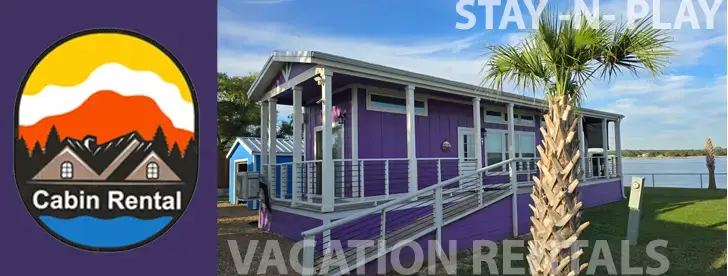
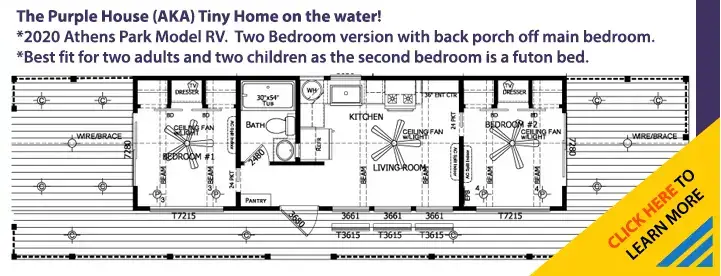
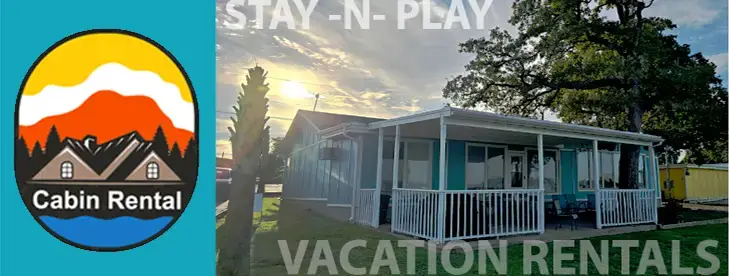
Our cozy Lakeside Cabin Rentals at Lakeview Marina are the perfect way to extend your stay at Eagle Mountain Lake. Whether you're here with a few friends or the whole crew, our cabins offer everything you need for a memorable escape—foosball, shuffleboard, docks, and more! Spend your days on the lake, and in the evenings, stroll over to The Anchor on EML (open seven days a week) or simply enjoy the lakeside sunset. Play a little longer, stay a little longer—your perfect lake getaway is here!
(Click Here) to see more details!

Looking for the ultimate pit stop before hitting Eagle Mountain Lake? Our Bait Shop & Ship Store has everything you need to turn an ordinary lake day into an epic adventure! Need a boat rental? Done. Forgot the fishing gear? We’ve got you covered. Want to chill with an ice-cold beer? It’s waiting! We even have snacks, gas, and all the essentials to keep your day going smoothly. Trust us, you won’t leave empty-handed.
Come on in, grab your gear, and get ready for a day of fun on the lake! (Click Here)

Looking for the perfect lakeside getaway? The Lakeview Marina RV Park has you covered! With spacious sites, easy access to Eagle Mountain Lake, and a boat dock right at your doorstep, it’s the ideal spot for adventure seekers. After a day on the water, unwind with a hot shower or toss a load in our on-site laundry mat. Whether you're here for a weekend or a longer stay, you’ll feel right at home with everything you need for the perfect retreat.
(Click here) to learn more and book your stay!

The Anchor at Lakeview Marina
is the ultimate place to unwind after a fun-filled day on Eagle Mountain Lake. With amazing food, a great atmosphere, and a full-service bar and grill, it’s the perfect spot for friends and family to gather. Enjoy a our lakeside views, or grab a bite for lunch or dinner, all while soaking in the lakeside atmosphere. Whether you're craving a burger or a cold drink, The Anchor on Eagle Mountain Lake has it all. Stop by for great food, fun, and entertainment! Call us at (682) 224-2295 or follow us on facebook at https://www.facebook.com/profile.php?id=61576212793049
(See the MENU for The Anchor EML) - (Click Here)




The story of RV Park history Little Elm Texas is deeply intertwined with the rapid growth and evolving lifestyle patterns of North Texas itself. Far from being a simple collection of campsites, these parks represent decades of ingenuity, adaptation to modern travel demands, and community development within the dynamic landscape of Little Elm.
To understand today's premier recreational vehicle lodging in this area, one must journey back through time—from early roadside settlements designed for transient travelers to highly sophisticated, amenity-rich destinations catering to luxury camping experiences. This detailed look at Little Elm TX camping history reveals how the concept of organized RV park living matured right here.
Before dedicated commercial parks existed, early forms of recreational vehicle lodging were often informal. As automobiles became more common in the Dallas-Fort Worth metroplex area, land adjacent to major routes needed ways to accommodate travelers who weren't staying overnight in traditional hotels. The initial sites that served as precursors to modern RV Park history Little Elm Texas began capitalizing on proximity to natural attractions and growing regional traffic.
These early stops were rudimentary compared to what exists today, but they established the vital pattern: dedicated land zoned specifically for vehicle camping. This pioneering stage was crucial because it proved that a sustained market existed for organized outdoor leisure in Little Elm.
The true acceleration of RV Park history occurred following major shifts in American culture, particularly after World War II. The rise of the modern recreational vehicle (the RV) itself changed camping from a niche activity to an accessible family pastime. As families began traveling longer distances across Texas and beyond, established sites needed professionalization.
Little Elm’s growth during this period positioned it perfectly. Its location provided easy access for people coming into the booming Dallas area but desired a quieter, more natural setting than urban core life allowed. The demand spurred local developers to formalize these informal camping areas. They began implementing standardized utility hookups—electric power, water, and sewer connections—which were revolutionary at the time.
This development marked a critical transition: moving from simple "overnight dumping" spots to structured mobile home park development Dallas area sites that offered genuine comfort alongside outdoor adventure. The establishment of these organized parks solidified camping as a reliable, profitable industry in Little Elm.
Today’s RV parks near Denton County are vastly different from their predecessors. Modern recreational vehicle lodging North Texas destinations offer more than just parking spots; they provide full lifestyle experiences. The history of these sites shows a clear trend toward luxury amenities, enhanced safety features, and specialized zoning.
One of the biggest advancements detailed in RV Park history Little Elm TX is utility reliability. Modern parks boast robust infrastructure designed to handle varying occupancy levels. This reliable service allows campers—whether they are on a weekend getaway or extended staycation near attractions like Frisco and Plano—to feel at home.
Furthermore, modern sites often incorporate community elements such as clubhouses, pet areas, laundry facilities, and specialized park services. This focus reflects an understanding that the appeal of these parks is not just in the camping itself, but in the supportive community environment they create for RV owners.
Looking ahead, the history continues to show a trend toward sustainability and integration with nature. Developers are increasingly focused on minimizing environmental impact while maximizing guest experience. The continued success of RV Park camping services demonstrates that this sector remains vital to both local tourism revenue streams and the lifestyle enjoyed by residents.
The journey from simple roadside stops to highly regulated, amenity-rich parks tells a compelling story about Little Elm’s adaptability. It serves as an excellent case study in how natural resources can be successfully integrated with modern recreational demands, making it one of North Texas' premier destinations for camping and outdoor living.
In conclusion, the RV Park history Little Elm Texas is a narrative of progress. It charts the course from rudimentary stopping points to sophisticated leisure hubs. Whether you are planning a short weekend trip or an extended staycation in North Texas, understanding this rich background highlights the quality and convenience that modern facilities provide.
The evolution confirms that these parks are not just temporary stops; they are integral parts of Little Elm's recreational infrastructure, built upon decades of dedication to providing high-quality camping in Little Elm TX for generations of travelers to come.
Planning a road trip or simply seeking a getaway with your recreational vehicle requires careful consideration of where you will park and stay overnight. An RV park offers far more than just a spot to set up; it provides infrastructure, community, and amenities designed specifically for modern travelers. Understanding what makes an ideal RV park is the first step toward stress-free camping.
Choosing the right location among countless options can be overwhelming. A great RV park balances natural beauty with essential convenience. When evaluating potential stays, think about your specific needs—are you traveling with small children? Do you require full hookups for extended stay? The perfect RV park will cater to these requirements while providing a safe and enjoyable environment.
The quality of an RV park is often determined by its maintenance level. Look for clean common areas, well-maintained roads suitable for large rigs, and reliable utility services. A top-tier facility prioritizes the comfort and safety of all guests using their vehicles while enjoying a camping experience.
Amenities elevate an overnight stay from basic parking to a true vacation destination. When researching RV parks, use this checklist to ensure you are selecting a facility that meets your comfort level:
One of the most important decisions when selecting a camping spot is determining your required utility hookup type. Understanding this difference will save you significant time and frustration during check-in.
Full hookups provide three essential connections: electricity, fresh water, and sewer disposal. These sites are ideal for longer stays because they allow you to operate your RV's appliances (like air conditioning or microwaves) fully without draining on-board resources. When budget allows, reserving a full service site at an RV park is highly recommended.
Some sites may only offer water and electricity, requiring you to use portable blackwater tanks for sewage until reaching a dump station outside the immediate area. These basic spots are excellent for minimizing costs but require more planning regarding waste disposal during your time in the RV park.
To maximize enjoyment and minimize stress while camping, preparation is key. Follow these tips before you arrive:
Regardless of how wonderful an RV park is located, safety must always be paramount. Always familiarize yourself with emergency exits and fire protocols upon arrival. Keep valuables secured within your RV when you are away from the site, even if only for a short period.
Remember that traveling in an RV involves unique considerations compared to traditional tent camping or hotel stays. A well-chosen RV park acts as a temporary home base—a comfortable community where travel logistics meet relaxation and adventure awaits just outside your door.
Exploring the RV Park history in Little Elm, Texas reveals a narrative deeply tied to suburban growth, increased recreational travel, and changing American lifestyles. While modern infrastructure defines much of what we see today, the development of dedicated camping grounds reflects decades of adaptation from simple roadside stops to highly developed mobile home communities.
To understand Little Elm RV parks history, one must look beyond just recreational vehicles. Historically, informal camping spots and rudimentary stopping areas served travelers passing through the Dallas-Fort Worth metroplex. In earlier decades, what would become formalized camping sites were often simply cleared patches of land near major thoroughfares or railways. These early stops catered primarily to transient workers, military personnel, and those on long journeys who needed temporary shelter.
The initial need for a structured recreational vehicle park in the Little Elm area was driven by the increasing popularity of automobiles after World War II. Before specialized parks existed, camping often involved rudimentary setups near private residences or undeveloped lots. This period laid the groundwork—establishing patterns of travel and demand that eventually necessitated formalized land use.
As Little Elm grew from a smaller community into part of a major suburban corridor, so did its recreational needs. The transition to modern RV parks required significant investment in utilities—water lines, electric hookups, and sewage management.
This period marked the professionalization of camping in Little Elm. Developers started incorporating amenities such as laundry facilities, community gathering spaces, and improved access roads—all hallmarks distinguishing modern Texas RV parks from their historical predecessors.
The contemporary history of RV Park development in Little Elm, Texas is intrinsically linked to the overall growth trajectory of Tarrant County suburbs. The area’s desirable location—providing easy access to major highways while maintaining a sense of community retreat—made it ideal for expansion.
Today's parks are not merely places to park trailers; they function as self-contained recreational hubs. Key elements that define this modern history include:
In summary, the RV Park history in Little Elm, Texas is an excellent case study in how a community evolves its land use to accommodate modern leisure demands. It progressed from informal roadside camping spots to highly regulated and amenity-rich destinations that serve both passing travelers and permanent local residents alike.
Little Elm is rapidly establishing itself as one of the most desirable and vibrant communities within the greater Dallas-Fort Worth area. For those exploring where to live or seeking local attractions near a blend of nature, modern amenities, and strong community bonds, learning about Little Elm Texas reveals a picture of growth and high quality of life.
This comprehensive guide will explore everything that makes this part of Denton County so appealing, detailing the lifestyle, key activities, and essential features that define daily living in Little Elm. Whether you are relocating to find family-friendly communities or planning an outing for local recreation, understanding the essence of Little Elm Texas is your first step.
The appeal of Little Elm Texas goes beyond its beautiful modern infrastructure; it centers on a palpable community spirit. Residents often praise the balance achieved between suburban tranquility and easy access to major metropolitan hubs like Dallas and Plano.
One of the primary draws for families is the commitment to excellent local schooling and safe, walkable neighborhoods. The area has invested heavily in developing housing that caters specifically to family growth, offering everything from charming single-family homes to modern townhomes. When considering living in Little Elm TX, prospective residents frequently mention the strong sense of neighborhood cohesion.
The local business environment supports a growing population base. With numerous commercial centers popping up throughout Little Elm, daily errands—from specialized healthcare services to boutique shopping—are incredibly convenient. This robust economic foundation ensures that Little Elm Texas remains an attractive place for professionals at all levels.
While the residential appeal is strong, Little Elm also offers a wealth of things to do, ensuring year-round entertainment options. The commitment to outdoor space makes recreation central to the community experience.
The expansive green spaces are perhaps the most celebrated feature of Little Elm Texas. Multiple large parks provide areas for jogging, dog walking, picnics, and organized sports. These local recreational spots ensure that regardless of your fitness level or interest in nature, there is an outdoor activity waiting.
Throughout the year, Little Elm hosts various community festivals and events. From farmers' markets to seasonal celebrations, these gatherings are excellent opportunities for residents and visitors alike to experience local culture and meet neighbors. Checking the calendar of things to do in Little Elm TX will reveal a constantly evolving schedule of fun.
The culinary scene has blossomed significantly. Local restaurants cater to every palate, from quick casual lunch spots perfect for work-week breaks, to fine dining establishments ideal for special occasions. The variety means that exploring local cuisine is always an adventure when you are in Little Elm.
To fully understand Little Elm Texas, one must look at its infrastructure—the blend of modern retail centers integrated seamlessly into a natural setting. The major thoroughfares connect residential areas with commercial hubs designed for maximum convenience.
The shopping experience in Little Elm is varied and upscale. Shoppers can find large regional retailers alongside charming local boutiques that offer unique, curated goods. This mix ensures that whether you are hunting for everyday necessities or looking for a special gift, the area has what you need.
The housing stock reflects diverse tastes and budgets. Some neighborhoods boast established charm with mature trees and classic architecture, while others feature brand-new developments designed with modern efficiency in mind. This diversity means that whether your dream home is a sprawling estate or an efficient starter condo, Little Elm Texas has options.
For those considering moving here, the transition into daily life is remarkably smooth. The combination of excellent local services and strong community planning makes it genuinely appealing for long-term residency.
In conclusion, Little Elm Texas offers a compelling blend of modern suburban luxury, outdoor recreation opportunities, and genuine local charm. From exploring hidden parks on a weekend morning to settling into one of its acclaimed family-friendly neighborhoods, Little Elm provides an exceptional quality of life experience that keeps residents coming back for more.
Understanding RV park history reveals a fascinating story that mirrors American automotive progress and changing leisure habits. From simple roadside stopping points for early motor vehicles to highly developed, amenity-rich destinations today, recreational vehicle camping has evolved dramatically. This deep dive explores the evolution of mobile lodging and dedicated outdoor recreation areas.
Before specialized RV parks existed, temporary accommodations for travelers were rudimentary. The earliest forms of organized stopping grounds often coincided with major trade routes or railroads. When personal motorized vehicles began to become more common in the early 20th century, a need arose for safe and designated places where these new machines could rest overnight. These initial sites were not always parks by modern definition; they were simply cleared land near established infrastructure.
The concept of organized camping was initially tied closely to resource management—providing water access and fire safety around natural attractions like national forests or state park boundaries. The early pioneers who ventured out required reliable, if basic, spots for their encampments. This foundational need paved the way for structured travel destinations.
The Roaring Twenties marked a significant turning point in American leisure and transportation. As cars became more accessible to middle-class families, weekend road trips became viable luxuries. This period saw the first true predecessors of modern RV parks emerge. These early sites catered specifically to the growing population owning travel trailers—the original recreational vehicles.
Early camping spots were characterized by simplicity: basic hookups for electricity (if available), designated dumping areas, and proximity to natural beauty. The focus was purely on function and safety. As more people traveled over long distances using their motorhomes, the need for standardized services became undeniable, prompting developers to formalize these stopovers into dedicated RV parks.
This era is arguably the golden age in terms of rapid expansion for recreational vehicle camping. The post-World War II economic boom led to increased disposable income, expanding car ownership, and a cultural shift toward leisure travel. Families began viewing road trips not just as necessities, but as destinations themselves.
The establishment of these foundational infrastructure elements cemented the modern concept of the recreational vehicle camping destination.
In recent decades, RV park history has shifted from mere survival to luxury experience. Today’s parks are highly specialized environments designed for comfort alongside rugged outdoor adventure. The industry recognized that modern RV owners expect full-service amenities.
Modern developments emphasize themed areas and premium services:
Contemporary RV camping also focuses heavily on sustainability practices, including advanced waste management systems and integration with natural environments while minimizing impact. Furthermore, technology has allowed parks to manage reservations, payments, and even utility hookups digitally.
To summarize the journey of this industry:
The RV park history is a testament to the enduring American love for mobility and nature. What started as temporary stopping points during early auto travel has matured into a complex, highly organized industry that supports millions of people annually who cherish the freedom provided by their recreational vehicles.
Whether you are traversing historic routes in an antique motorhome or enjoying modern amenities at a large resort park, understanding this rich history adds depth to the experience.
Understanding the RV park history reveals a fascinating convergence of automotive technology, changing leisure habits, and America’s growing love for exploration. What began as rudimentary stopping points has evolved into highly sophisticated recreational destinations. The story of RV camping is intrinsically linked to the rise of personal motorized transport.
The concept of temporary outdoor lodging predates modern motorhomes significantly; early forms involved tent camping near established trails or natural gathering spots. However, dedicated infrastructure designed specifically for large vehicles required a significant technological and economic leap forward.
Before specialized parks existed, travel was dictated by wagon trains or railroads. With the widespread adoption of affordable automobiles in the early 20th century, travelers gained unprecedented freedom. Early camping spots were often simply cleared acreage near scenic routes. These initial locations lacked standardized utilities—no consistent water hookups, electrical service, or established waste disposal systems.
The first true "parks" emerged as businesses realized that car owners needed more than just a patch of grass to sleep on; they required services and security. The early RV park history shows a shift from mere wilderness camping toward managed recreational experiences.
The post-World War II era marked the golden age for structured travel parks. Economic prosperity, coupled with increased leisure time and improved highway systems (like the Interstate Highway System), fueled massive demand for destinations that could accommodate growing recreational vehicles.
The evolution during this time solidified the model we recognize today: a managed community providing necessary utilities alongside leisure activities.
As motorhomes grew in size, complexity, and luxury throughout the latter half of the 20th century, so did the demands placed upon camping destinations. The simple tent setup gave way to living-in vehicles that required consistent comfort features.
This demand drove continuous improvements within park management:
In the 21st century, technology continues to reshape our understanding of RV park history. While core infrastructure remains critical (water and electric), modern parks integrate Wi-Fi connectivity, smart booking systems, and enhanced security features.
Regardless of the era—from a rustic stop in the 1930s to a luxury resort today—the successful operation of an RV park has always relied on three pillars:
The RV park history is a reflection of American mobility and the increasing importance placed on experiential travel. What started with basic roadside stops has matured into an industry providing temporary, comfortable homes for thousands of adventurers annually. These parks are not just places to sleep; they are self-contained communities that facilitate exploration.
Exploring the Little Elm Texas history reveals a fascinating narrative of growth, adaptation, and transformation within the greater Dallas-Fort Worth area. From its earliest days as an agricultural outpost to becoming the thriving community it is today, understanding the deep roots of this region provides valuable insight into modern suburban development in North Texas. This detailed look at Little Elm's founding showcases how a small settlement blossomed into a major residential hub.
To grasp the full scope of the Little Elm Texas history, one must first consider the environment before permanent Anglo-American settlements arrived. The land that now constitutes Little Elm was historically utilized by various Native American groups who were deeply connected to the natural resources of the area. These indigenous populations laid the groundwork for life in this valley long before recorded modern settlement.
The initial European interest in the region grew out of Texas's expanding cattle and agricultural industries during the 19th century. The establishment of local ranching operations drew early settlers who sought fertile land suitable for crops like cotton, hay, and feed. These pioneers were instrumental in shaping the physical landscape and laying down rudimentary infrastructure that would later support a growing population.
In its nascent stages, Little Elm was not conceived of as a modern suburb but rather as a practical agricultural crossroads. The local economy revolved around farming families who established deep ties to the land. These early settlers were crucial in developing basic transportation routes and community structures necessary for sustained rural life.
While agriculture defined its initial character, the Little Elm Texas history shifted dramatically during the mid-to-late 20th century. This period marked a transition from purely agrarian living to rapid residential expansion driven by economic booms and improved infrastructure.
Following World War II, population growth across North Texas accelerated significantly. The availability of affordable land in areas like Little Elm made it attractive to families seeking suburban lifestyles away from the densest urban cores. This influx spurred developers to build residential communities and commercial centers.
The subsequent decades saw meticulous planning for utilities, roads, and schools—all vital components that allowed the community to scale dramatically while attempting to maintain a sense of its historical small-town charm. Understanding this pattern is key to appreciating modern Little Elm Texas history; it represents managed growth rather than spontaneous sprawl.
Several factors contributed significantly to the unique character and continued development seen in Little Elm today:
Characterized by subsistence farming, small family homesteads, and a focus on local resource management. Life was dictated by agricultural cycles.
Witnessed the shift from cash crops to residential building materials. Infrastructure spending increased rapidly, signaling the departure from purely rural life toward suburban living. This period saw early attempts at formal zoning and town planning.
Defined by master-planned communities, corporate investment, major retail anchors, and a focus on quality of life amenities—parks, schools, and recreational facilities. The current form of the community is largely attributable to this era.
The Little Elm Texas history is not simply an academic recitation of dates; it is a living story told through its streets, neighborhoods, and institutions. It tells a compelling tale of resilience—the ability for the land to transition from Native American gathering grounds, through rugged frontier settlement, into a highly developed modern community.
Whether examining the historic farming plots or touring the newest commercial developments, every corner reflects layers of history. This detailed overview provides readers with a comprehensive understanding of how Little Elm evolved its identity while maintaining connections to its foundational past in Texas.
Understanding the history of Little Elm, Texas, reveals a fascinating narrative of agricultural roots meeting rapid modern growth. Located in the vibrant northern Dallas area, the story of this community is deeply intertwined with broader regional developments across Collin County and North Texas itself. Originally characterized by its rural landscape and natural resources, Little Elm TX has undergone significant transformation over the decades.
The early history of the area that would become Little Elm traces back to pioneer settlers who sought fertile land in Northeast Texas. Before it was formally incorporated as a modern suburb, this region functioned primarily within large agricultural economies. Early ranching and farming were the cornerstones of life here. The local economy relied heavily on crops suitable for the Dallas-Fort Worth corridor, establishing strong ties between Little Elm and its neighboring settlements.
These initial settlers established a foundational culture centered around self-sufficiency. The geography—featuring productive farmland alongside natural waterways—made it an attractive location for early homesteaders looking to build permanent lives outside the immediate bustle of larger urban centers. This agricultural heritage remains visible in much of the local community spirit and character.
A major turning point in Little Elm Texas history was tied directly to improvements in infrastructure, particularly improved roadways that connected it more efficiently to Dallas and Plano. As transportation networks expanded throughout the mid-20th century, previously isolated rural areas began attracting new residents seeking a balance between suburban amenities and a semi-rural setting.
The development of Little Elm started accelerating as surrounding communities boomed. This period saw shifts from purely agricultural use toward mixed residential and commercial zoning. The growth was steady but gradual, allowing the community to retain much of its historical character even while accommodating modern suburban needs.
As population density increased throughout the late 20th century and early 21st century, Little Elm solidified its role as an attractive residential destination within Collin County. The demand for housing that offered acreage potential combined with proximity to major employment centers fueled rapid expansion.
This period of intense growth required significant civic planning. Local governance had to adapt quickly, managing everything from school district expansions (a crucial element in Little Elm's identity) to the establishment of new municipal services and infrastructure necessary for thousands of new residents. The ability of Little Elm to manage this rapid transition while preserving community feel is a key part of its modern history.
Despite the massive changes in land use, several cultural cornerstones have helped define Little Elm TX's unique identity. These include local schools, faith-based institutions, and civic gathering spots that anchor the community to its past while facilitating future growth.
The historical narrative of Little Elm is not just about buildings; it is also about people—the pioneering farmers who cleared the land, the families who established deep roots, and the new generations who continue to build upon a rich foundation. The ongoing commitment of residents ensures that Little Elm remains connected to its past while embracing progress.
When exploring further details on this area's history, several themes are consistently relevant: the transition from farming life to suburban living; the strategic importance of location relative to Dallas-Fort Worth growth corridors; and the ongoing efforts in local government planning that guide Little Elm’s future development. These elements provide a comprehensive understanding of how Little Elm evolved into the thriving community it is today.
The story of recreational camping in North Texas is deeply intertwined with the growth of suburban communities like Little Elm, particularly concerning dedicated . As automobile travel became mainstream and mobile living gained popularity, simple roadside stops evolved into sophisticated destinations known as RV parks. Understanding this unique RV park history in Little Elm reveals how the area transitioned from rural farmland to a modern hub for camping enthusiasts.
To properly understand the current state of recreational vehicle parks near Little Elm, Texas, one must look back several decades. Initially, what would become major RV destinations were simply tracts of land accessed by passing traffic routes. Early forms of camping were rudimentary—basic tent setups and temporary stays catering to travelers moving through the region.
Before dedicated facilities existed, campers utilized natural areas or small private lots that offered basic overnight shelter. The initial need was not for amenities but merely safe ground to park a vehicle and sleep under the stars. This early period established the fundamental demand: people wanted reliable places near Dallas-Fort Worth where they could combine travel with nature.
The true transformation began as motorhomes became more common, requiring not just space for parking but also utilities like fresh water hookups and sewer connections. This necessity spurred the development of planned communities—the modern RV park structure. The development of camping facilities in Little Elm, Texas followed a predictable pattern tied to regional population growth.
Early pioneers recognized that structuring these sites provided immense value and safety for campers. They began introducing amenities like dump stations, electricity access points, and defined boundaries—elements critical to the modern RV experience. This shift marked the transition from temporary stopping grounds to legitimate, long-term vacation destinations within Little Elm.
As Collin County continued its rapid expansion throughout the late 20th century and into the early 21st century, the demand for specialized camping areas surged. The area’s location made it ideal: close enough to major metropolitan job centers yet offering a degree of escape through natural surroundings.
The historical trajectory shows that RV parks adapted by adding increasingly complex features—from simple pull-through sites to resort-style amenities, pools, and recreational areas. This evolution ensured that the RV park history Little Elm Texas narrative is one of continuous adaptation meeting a booming demographic.
Today’s recreational vehicle parks in Little Elm, TX are far more sophisticated than their predecessors. The modern visitor expects comfort and convenience alongside the rustic feel of camping. This high standard has driven continuous improvement within these facilities.
This emphasis on comprehensive support solidifies how vital these specialized sites are to both local tourism and the overall quality of life within Little Elm. A deep understanding of this RV park history is key to appreciating what modern camping offers today.
The journey from simple roadside stopping points to highly developed, amenity-rich RV parks in Little Elm, Texas represents more than just property development; it reflects the cultural shift towards mobile leisure. The ongoing success and continuous improvement of these facilities cement their importance within the local economy and community structure.
For anyone interested in camping or understanding the unique RV park history Little Elm Texas, recognizing this evolution provides valuable context for enjoying a stay today. The parks stand as living testaments to decades of adaptation, growth, and commitment to making mobile travel comfortable and enjoyable.
Exploring life on wheels requires more than just a good recreational vehicle; it demands an ideal destination, which is where finding the perfect RV park becomes paramount. An RV park provides much more than simply a spot to park your trailer or motorhome. These dedicated communities offer structured camping experiences designed specifically for travelers in large vehicles, ensuring comfort, convenience, and access to community amenities.
When people search for RV parks, they are looking for a safe, managed environment that supports the unique needs of campers. Unlike dispersed camping areas, which can be wilder or less serviced, a commercial recreational vehicle park provides essential infrastructure and services right where you need them.
Choosing to stay in an established RV park offers several key advantages for the modern traveler. These benefits include:
The quality of an RV park is often measured by its amenities list. Modern facilities aim to make your stay feel less like roughing it and more like a vacation retreat.
Every great RV camping location must provide reliable hookups, which typically include:
Beyond the necessary utilities, a quality RV park invests heavily in visitor comfort. Look for these features when researching potential destinations:
Not all recreational vehicle parks are created equal. Depending on your travel style and your specific needs (such as whether you plan a long-term stay or just an overnight stop), different types of sites will meet varying requirements.
These premium spots offer complete utilities—electric, water, and sewer hookups available at the pad. If you are staying for several nights and want to run appliances fully (like running a washer or keeping AC on), this is your best option when booking an RV park spot.
These sites may provide water and electric but lack sewer access, or vice versa. They are excellent for shorter stays where you plan to minimize waste output while still enjoying the convenience of some utilities.
Sometimes found in smaller RV parks, these sites offer a basic pad and utility connection but require that campers be more self-sufficient regarding wastewater disposal. They are ideal for budget travelers or those who prefer minimal services while still enjoying the community atmosphere.
Maximizing your camping trip starts with careful planning when selecting an RV park location and booking method. Consider these expert tips:
Ultimately, whether you are looking for a rugged wilderness escape or a highly serviced getaway, choosing an established and well-maintained RV park provides the foundational structure needed to relax completely while traveling in your recreational vehicle.


