





Cabin Rentals
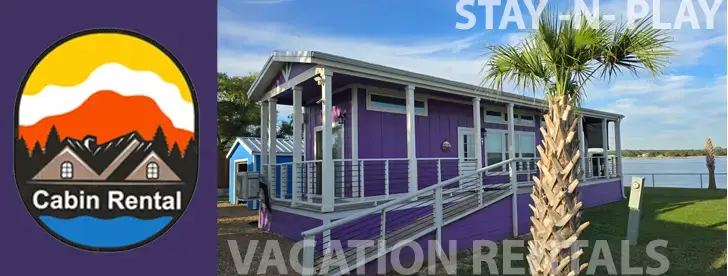
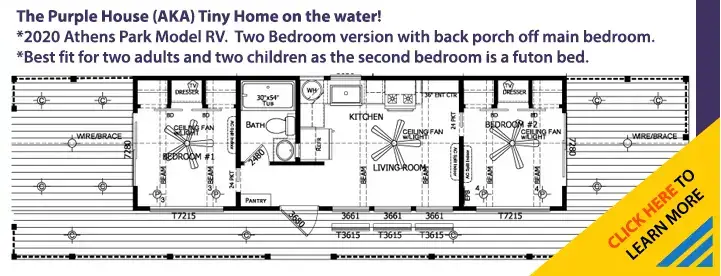
Our cozy Lakeside Cabin Rentals at Lakeview Marina are the perfect way to extend your stay at Eagle Mountain Lake. Whether you're here with a few friends or the whole crew, our cabins offer everything you need for a memorable escape—foosball, shuffleboard, docks, and more! Spend your days on the lake, and in the evenings, stroll over to The Anchor on EML (open seven days a week) or simply enjoy the lakeside sunset. Play a little longer, stay a little longer—your perfect lake getaway is here!
(Click Here) to see more details!

Looking for the ultimate pit stop before hitting Eagle Mountain Lake? Our Bait Shop & Ship Store has everything you need to turn an ordinary lake day into an epic adventure! Need a boat rental? Done. Forgot the fishing gear? We’ve got you covered. Want to chill with an ice-cold beer? It’s waiting! We even have snacks, gas, and all the essentials to keep your day going smoothly. Trust us, you won’t leave empty-handed.
Come on in, grab your gear, and get ready for a day of fun on the lake! (Click Here)

Looking for the perfect lakeside getaway? The Lakeview Marina RV Park has you covered! With spacious sites, easy access to Eagle Mountain Lake, and a boat dock right at your doorstep, it’s the ideal spot for adventure seekers. After a day on the water, unwind with a hot shower or toss a load in our on-site laundry mat. Whether you're here for a weekend or a longer stay, you’ll feel right at home with everything you need for the perfect retreat.
(Click here) to learn more and book your stay!

The Anchor at Lakeview Marina
is the ultimate place to unwind after a fun-filled day on Eagle Mountain Lake. With amazing food, a great atmosphere, and a full-service bar and grill, it’s the perfect spot for friends and family to gather. Enjoy a our lakeside views, or grab a bite for lunch or dinner, all while soaking in the lakeside atmosphere. Whether you're craving a burger or a cold drink, The Anchor on Eagle Mountain Lake has it all. Stop by for great food, fun, and entertainment! Call us at (682) 224-2295 or follow us on facebook at https://www.facebook.com/profile.php?id=61576212793049
(See the MENU for The Anchor EML) - (Click Here)





Little Elm, Texas has transformed into a highly sought-after destination for couples planning their perfect wedding day and hosts countless memorable special events. The area’s unique blend of natural beauty, modern amenities, and community spirit makes it an exceptional choice for any celebration.
Understanding the history of wedding location Little Elm TX requires looking at how a charming residential community grew into a premier destination known for its breathtaking event venues. This deep dive explores the evolution of celebrating milestones in this vibrant part of North Texas, detailing what makes choosing an anniversary spot or wedding venue here so special.
The history of Little Elm is deeply tied to growth and community development. Originally characterized by its natural landscape and quiet residential areas, the area began attracting interest as surrounding major metropolitan centers expanded outward. This gradual growth provided ample space—a critical factor for hosting large-scale special event venues.
Early gathering spaces were often simple estates or dedicated function rooms that served local community needs. As Little Elm matured and its reputation grew, so did the quality and variety of available celebration spots. Today, while some locations retain a historic feel, many have been professionally designed to meet the demands of modern weddings and galas.
When considering wedding location Little Elm TX today, it is important to understand that the options are incredibly diverse. The early days might suggest simple backyard gatherings, but the current market offers everything from grand ballrooms suitable for corporate events to intimate garden settings perfect for a romantic ceremony.
One of Little Elm's most celebrated features is its natural setting. As outdoor spaces became more accessible and desirable, dedicated gardens and park-like venues emerged. These locations capitalize on the Texas landscape, offering stunning backdrops that serve as perfect ceremony sites.
For those seeking a more formal or climate-controlled atmosphere, Little Elm also boasts sophisticated indoor venues. These facilities are designed to handle large guest counts efficiently, making them ideal for evening receptions following the ceremony.
These modern event locations in Little Elm Texas often feature high ceilings and adaptable layouts, allowing hosts to transition seamlessly from a cocktail reception area to a full dinner dance setup without compromising elegance or function. The versatility of these ballrooms is key when planning multi-day celebrations or large corporate galas.
The process of selecting an ideal special event venue requires careful consideration, and knowing the local history helps narrow down your search. Are you looking for a historic touch with modern facilities? Or do you prefer a completely rustic outdoor setting?
When researching wedding or corporate events in Little Elm, think about scale. Does your celebration require hundreds of seats (suggesting larger ballroom venues)? Or is it an intimate gathering that thrives among natural elements (pointing toward garden settings)? Understanding the required scope helps you focus on the right type of Little Elm venue.
Modern event locations in Little Elm are equipped to handle everything from specialized lighting and sound systems to catering prep kitchens. The robust infrastructure supporting these wedding venues means that planners can focus less on logistics and more on the celebration itself, knowing that professional support is readily available.
The sustained growth of Little Elm has cemented its reputation not just as a residential community, but as a premier gathering place. The history shows an ongoing commitment to providing high-quality, picturesque locations for life’s biggest moments—from engagement parties and anniversary celebrations to grand wedding receptions.
Whether you are drawn to the rustic charm of an outdoor garden setting or the polished elegance of a sophisticated ballroom, choosing your special event venue in Little Elm Texas means tapping into decades of community investment in beautiful celebration spaces. The rich history provides context for today's unparalleled array of options, ensuring that every wedding and special gathering feels uniquely magical.
Choosing the perfect wedding location or special event venue is arguably one of the most critical decisions in planning any celebration. The physical setting dictates the atmosphere, influences vendor choices, and contributes profoundly to your overall guest experience. Instead of viewing a mere "venue" as just four walls, consider it the backdrop that will define memories for years to come.
The search for ideal wedding location ideas requires balancing aesthetic appeal with logistical feasibility. Whether you are planning an intimate elopement or a grand celebration involving hundreds of guests, understanding different types of special event venues will narrow your focus and streamline the process.
For couples seeking warmth, natural beauty, and a touch of rustic elegance, barn venues remain incredibly popular. These locations offer immense character, often providing vast outdoor space perfect for ceremonies while maintaining cozy indoor areas suitable for dining receptions. When evaluating these types of special event venues, pay close attention to vendor capacity—ensure the flooring can handle dance floors and that adequate power sources are available.
If your style leans toward sophisticated city living, urban loft spaces or historic downtown hotels make superb wedding location ideas. These settings provide instant glamour and accessibility for guests arriving via public transportation. Selecting a venue within an established cityscape means having immediate access to high-quality restaurants, bars, and entertainment options that complement the celebration.
Destination wedding spots often draw inspiration from nature's splendor. Botanical gardens offer manicured perfection for ceremonies, while vineyards provide a romantic, sprawling backdrop perfect for both cocktail hours and formal dinners. When considering these natural settings, always confirm the venue’s contingency plan; inclement weather can drastically change an outdoor event.
Selecting any special event venue requires more than just falling in love with its appearance. A comprehensive checklist ensures that your chosen location supports every facet of your celebration, from catering to guest flow.
Accurately determining the maximum capacity is paramount. Does the space accommodate not only seating for dinner but also a dedicated dance floor and an adequate cocktail hour mingling area? Consider how the layout guides guests—you want clear pathways that prevent bottlenecks during peak times, such as when receiving line photos are taken.
A top-tier wedding location should ideally offer flexibility regarding vendor choice. While some venues have preferred lists for florists or photographers, having freedom allows you to curate a cohesive vision across all services. Always ask about load-in and setup times; vendors need ample space backstage.
Think beyond the event day itself. Is parking readily available? How far is it from major airports or local hotel blocks? For destination wedding spots, having on-site or adjacent accommodation options significantly improves guest comfort and overall planning ease.
The debate between indoor elegance and outdoor romance doesn't have to be an either/or scenario. The most successful special event venues seamlessly integrate both environments.
The best wedding venue doesn't just look good; it makes your guests feel cared for. Consider elements that enhance their stay and enjoyment:
Ultimately, finding a wedding location that feels authentic to you as a couple is key. By methodically reviewing these different types of special event venues and utilizing this comprehensive selection checklist, your journey toward planning an unforgettable celebration will be both joyful and highly organized.
Exploring the history of wedding and special event locations within Little Elm, Texas, reveals a community that has grown significantly alongside its desire to host memorable celebrations. As an ideal destination for couples seeking picturesque wedding location Little Elm TX experiences, understanding this historical evolution is key to appreciating today's diverse range of venues.
Historically, community gatherings and early special events in the area utilized local parks or private estates. These initial gathering points set a foundational precedent for celebration that continues to define special event locations Little Elm Texas today. The growth trajectory of Little Elm has been marked by continuous development aimed at supporting large-scale social functions—from intimate family reunions to grand destination weddings.
The shift from rustic community gatherings to sophisticated, modern venues reflects the area's rapid expansion and commitment to providing world-class event infrastructure. Today’s wedding venue ideas near Little Elm draw upon this deep historical foundation while offering contemporary amenities that appeal to modern couples planning their perfect day.
What makes little elm an exceptional choice for wedding celebrations? It is the seamless integration of natural beauty, established community charm, and state-of-the-art event infrastructure. The history of special events in Little Elm shows a consistent demand for beautiful backdrops—whether near local waterways or within manicured estate grounds.
For those planning a large corporate function or an intimate anniversary celebration, the versatility found throughout the community makes it a top contender. Whether you are looking at historic manor venues or modern outdoor ceremony sites, Little Elm provides varied options for any size special event location requirement. The local commitment to quality venue experiences has solidified its reputation as a premier Texas wedding destination.
Choosing the right location requires considering not just aesthetics, but also capacity, logistics for a large wedding party or corporate group, and accessibility. The continuous development of infrastructure confirms Little Elm’s status as an enduring hub for exceptional celebrations.
Whether your celebration is a milestone anniversary, a bridal shower, or the ultimate destination wedding day, focusing on Little Elm special event locations ensures that the setting enhances every moment. The history of these wonderful venues speaks to generations of community gatherings and continues to promise an unparalleled backdrop for life's biggest moments.
The combination of natural scenery and expertly developed facilities solidifies Little Elm’s appeal, making it a consistently favored wedding location throughout the Dallas-Fort Worth area. Planning your next event or wedding in this rich Texas community guarantees a memorable experience rooted in tradition yet embracing modern luxury.
Little Elm Texas offers a compelling blend of suburban tranquility and modern amenities, making it one of the most desirable places for families and professionals alike. If you are researching things to do in Little Elm or considering relocating to this vibrant community, understanding the unique appeal of Little Elm Texas is key. This comprehensive guide explores why little elm continues to grow as a premier destination within North Dallas suburbs.
The lifestyle found in Little Elm Texas residents often cite its commitment to community and quality of life. Unlike larger, more sprawling metropolitan areas, Little Elm manages to maintain a close-knit feel while offering access to major regional attractions. The area is designed with walkability and family needs at the forefront. When people discuss living in this part of Little Elm Texas, they frequently mention the beautiful green spaces and planned community developments that enhance daily life.
The focus on residential quality means residents have access to excellent schools and highly maintained public areas. This dedication to a high standard of living is what sets Little Elm apart when comparing it to other North Dallas suburbs. Whether you are looking for the perfect family atmosphere or simply appreciate quiet, well-kept surroundings, Little Elm Texas delivers.
One of the most appealing aspects of exploring things to do in Little Elm is the variety available regardless of season. The community has thoughtfully developed parks and recreational centers that cater to all ages—from young children seeking playtime fun to adults looking for outdoor exercise.
For families, there are numerous attractions within easy reach. Local parks often feature playgrounds, walking trails perfect for a morning stroll or afternoon bike ride. Furthermore, the commitment of Little Elm Texas to green spaces ensures that nature remains central to the community experience.
For those seeking a more unique experience beyond traditional park visits, nearby attractions allow residents easy access to regional entertainment hubs while still enjoying the calm of their immediate neighborhood.
The culinary scene is another major draw when discussing Little Elm Texas. The local dining options reflect a modern palate, offering everything from casual family eateries to upscale fine-dining establishments. This diversity ensures that every taste preference can be accommodated.
When you visit or settle into Little Elm, the convenience of amenities is unmatched. Shopping centers and commercial districts are strategically located, making errands easy while also providing opportunities for browsing unique local boutiques. The emphasis on walkability means many services and dining spots are easily accessible without needing a car constantly.
The robust infrastructure supports both daily life needs and leisure pursuits:
Ultimately, choosing where to live involves weighing quality of life against location convenience. Little Elm Texas successfully balances these elements. The community spirit is palpable; neighbors often interact in local parks or at neighborhood gatherings. This strong sense of belonging contributes significantly to the overall appeal.
For those who love a growing, modern suburb that still retains a genuine small-town feel—but with all the resources and opportunities of a major Texas metropolitan area nearby—Little Elm Texas is an exceptional choice. Whether you are drawn by its beautiful parks, diverse dining options, or simply the stable community vibe, exploring things to do in Little Elm will quickly show why this location shines.
In conclusion, from family-friendly activities and expansive green spaces to a thriving culinary landscape, every aspect of life here is designed with comfort and enjoyment in mind. Researching Little Elm Texas reveals not just a place to live, but a true community experience waiting to be discovered.
The history of human celebration is deeply intertwined with where those celebrations take place. Understanding the wedding location history and special event venue evolution reveals much about shifting cultural values, social structures, and technological advancements. From simple gathering points in ancient times to elaborate modern destination resorts, the physical setting for major life events has transformed dramatically.
When considering the early wedding location history, we must look back thousands of years. Initially, celebrations were highly localized and often tied directly to religious or communal structures. In ancient societies, a significant part of any special event was centered around public gathering spaces.
For many pre-modern cultures, the most natural wedding location was within the family compound itself, or in open areas near sacred ground. These early venues were multifunctional; they served as markets, places of worship, and social hubs all at once. The emphasis was less on a dedicated "venue" experience and more on community participation.
Furthermore, natural settings played an enormous role in the initial wedding location history. Groves, riverbanks, and elevated hilltops were chosen not just for beauty but often due to perceived spiritual significance or symbolic meaning related to fertility and abundance. These outdoor locations dictated early traditions that still resonate today.
As societies became more structured during the medieval period, so did event spaces. The focus began shifting slightly from purely open natural areas toward established architectural settings, particularly those belonging to nobility or religious institutions. This marks an important shift in wedding location history.
During this time, the powerful aristocratic estates—castles and large manors—became prime locations for high-status celebrations. These venues were not merely backdrops; they represented wealth, political power, and lineage. To host a special event at such an estate was to make a profound social statement.
Meanwhile, the church remained central. The architecture itself—the grand scale, stained glass, and formal layout—became integral parts of the ceremonial experience. While receptions might move elsewhere, the core ceremony location within these sacred buildings defined much of the early event history.
Perhaps the most transformative period for special event venue development occurred with the Industrial Revolution starting in the 18th and 19th centuries. As populations grew rapidly and moved into urban centers, traditional rural gathering spots became less accessible, necessitating entirely new types of venues.
Urbanization created a demand for neutral, large-scale indoor spaces suitable for massive gatherings that were separate from private homes or religious sites. This led to the professional establishment of dedicated ballrooms and assembly halls. These early commercial event spaces began defining what we now call "event venues."
Concurrently, the rapid growth in travel and commerce fueled the development of grand hotels. Hotels quickly realized their potential as comprehensive special event locations—providing accommodation alongside sophisticated ballroom facilities for weddings and large corporate functions. This integrated model set a template still followed today.
The 20th century saw the most dramatic diversification of wedding location history. Improved transportation, mass media, and changing social norms meant that celebrations were no longer confined by geography or class structure.
As air travel became more common after World War II, destination weddings flourished. People began choosing locations based purely on aesthetic appeal or desired experience—be it a tropical beach resort, an historic European city square, or a secluded mountain lodge. This broadened the scope of special event location history dramatically.
Modernity also led to specialization. Instead of one venue serving all purposes, we began seeing dedicated locations for specific types of events: museums hosting galas, botanical gardens providing ceremony spots, and unique industrial lofts offering trendy reception spaces. This diversification gave couples unprecedented choice.
Today's special event location history reflects a blend of all these elements—the grandeur of the manor house combined with the accessibility of modern resorts. The key trend is personalization; clients no longer accept what was historically available but seek an experience that perfectly matches their unique narrative.
Modern event spaces often combine multiple functions: accommodation, dining facilities, and ceremony areas all under one roof or within a connected complex. This seamless integration is the pinnacle of contemporary venue design, making logistics simpler for planners while maximizing guest experience.
A growing element influencing modern wedding location history is environmental consciousness. Increasingly, couples are favoring venues that emphasize sustainability, local sourcing, and minimal ecological impact—a reflection of current societal values shaping future event locations.
From the open fields where ancient rites were performed to today's technologically equipped luxury resorts, the narrative surrounding special event location history is one of continuous adaptation. As technology continues to evolve and global travel expands, we can anticipate even more unique blends of nature, culture, and architectural design becoming available as ideal wedding or celebration spots
Understanding wedding location history and special event venue evolution reveals a fascinating journey that mirrors changes in culture, social status, and architectural capability. The selection of a perfect special event venue is not merely aesthetic; it reflects deep-rooted traditions about community gathering and celebration.
Before dedicated structures existed solely for celebrations, early gatherings were intrinsically linked to natural resources and communal living. The earliest forms of wedding location history centered on family homes or designated open fields. These initial gathering places needed minimal infrastructure but demanded significant community participation.
In many ancient societies, the ceremony took place outdoors—under sacred trees, near natural bodies of water, or within temple courtyards. The location choice often held ritualistic significance; proximity to nature symbolized fertility and new beginnings for a marriage. These early practices set precedents that modern wedding locations still draw upon when emphasizing outdoor settings.
The focus was less on the grandeur of the venue itself and more on its spiritual or geographical meaning relative to the community celebrating the union. This foundational understanding influences today's popular choice for vineyard or garden venues, connecting ceremony back to nature’s bounty.
As societies became wealthier and structures grew more elaborate, special event venue history began incorporating permanent architectural grandeur. During the medieval period, status dictated location; noble families hosted celebrations within their manors or castles.
The Renaissance saw an increase in dedicated public spaces, such as grand ballrooms attached to burgeoning city centers. This marked a critical shift—the location was beginning to serve both the family's status AND the need for large-scale social interaction.
With the Industrial Revolution came increased wealth and urbanization, leading directly to the birth of modern banquet hall origins. These venues were designed purely for celebration, separating the rite of passage from the family home or estate grounds.
The grand hotel became arguably the most defining feature in wedding location history during this period. They offered luxury accommodations alongside vast ballrooms and dining facilities. The ability to house guests, celebrate a reception, and sleep on site revolutionized event planning.
As cities expanded for trade fairs and exhibitions, large-scale halls were built that could be temporarily converted into massive special event venues. These adaptable spaces proved foundational to modern corporate events and mega-gatherings, proving utility over purely historical aesthetic value.
Today's market for wedding locations is defined by radical versatility. Couples and planners are no longer restricted solely to traditional ballrooms or estates; the definition of a suitable event space has expanded dramatically, catering to unique aesthetics and personal tastes.
Modern trends favor venues that feel inherently part of their environment: industrial lofts offering 'urban chic' backdrops, renovated farms providing rustic elegance, or historic libraries lending an air of intellectual romance. This movement emphasizes character over mere size.
The growing focus on sustainability has elevated natural settings—beaches, mountain retreats, botanical gardens—as preferred wedding locations. The location itself becomes a major element of the celebration's narrative, reinforcing themes of connection to place and nature.
From ancient sacred groves to modern industrial lofts, the history of special event venues shows an arc toward increased specialization and adaptability. When considering wedding location options today, planners must consider:
Ultimately, every special event location carries echoes of its past—a blend of historical tradition and modern functionality that makes selecting the perfect spot part of an unforgettable journey.
To understand modern communities like Little Elm, one must delve deep into its fascinating Little Elm Texas history. This journey through time reveals a story of adaptation, growth, and transformation, moving from early frontier settlement to becoming a dynamic part of North Dallas suburbs. The development of the area is intricately tied to larger shifts in Texan demographics and infrastructure.
Understanding the comprehensive history of Little Elm TX requires examining several distinct eras—from pre-settlement times through pioneering days, rapid suburban growth, and its current cultural landscape. This overview will guide you through key moments that shaped what makes Little Elm today.
Before European settlement established the area now known as Little Elm, this land was inhabited by various indigenous groups who utilized the local natural resources and waterways. These early inhabitants had a deep connection to the land, which influenced patterns of travel and resource use for subsequent settlers.
As time progressed through the 19th century, Little Elm began attracting pioneers drawn by Texas’s promise of opportunity. The initial settlements were modest, agricultural in nature, focusing on farming and local commerce necessary for survival in a frontier environment. These early residents laid the foundational groundwork that would define the future development.
During this pioneering era, establishing reliable infrastructure was paramount. The community slowly built its identity around agriculture and small-scale industry. Early records detailing the history of Little Elm TX often focus on these initial land claims and the establishment of local governing structures.
The steady influx of people during the early 20th century marked a significant turning point in the region's trajectory. While earlier years saw slower, agrarian growth, subsequent decades heralded massive change.
Perhaps the most dramatic chapter in the development of Little Elm occurred during the latter half of the 20th century and into the new millennium. As Dallas expanded rapidly outward, areas like Little Elm became highly desirable residential destinations. This period saw a massive transition from rural farming communities to modern suburban living.
The rapid population growth necessitated significant infrastructural improvements—new schools, major roadways, commercial centers, and planned housing developments were all hallmarks of this era. The planning behind these new subdivisions greatly influenced the character that defines Little Elm today. This period represents a pivotal shift in the Little Elm Texas history narrative.
The modern infrastructure allowed residents to enjoy both the conveniences of city life while retaining a sense of community and connection to its natural environment, which is a key aspect often highlighted when discussing the local heritage.
Beyond sheer population growth, Little Elm Texas history also includes cultural milestones. The commitment to preserving elements of the area's past while embracing modern development has been notable. Local institutions and parks serve as physical reminders of its agrarian roots.
Maintaining a strong sense of place is vital for any growing suburb, and Little Elm has worked hard to honor its history. Many local initiatives focus on preserving historical narratives, ensuring that new residents understand the rich tapestry woven by previous generations who lived in this area.
The ongoing development of Little Elm continues to be a story of evolution. The modern community balances rapid growth with an appreciation for its deep and complex past, ensuring that both history buffs interested in the early settlement days and new residents drawn by contemporary amenities find something valuable.
The history of Little Elm TX is not simply a timeline; it is a story of resilience. It showcases how an area rooted in agricultural tradition successfully transitioned into a thriving, modern community while maintaining connections to its pioneering past. Whether you are exploring the early trails or enjoying contemporary amenities, understanding this rich and varied history provides crucial context for life in Little Elm.
The continuous narrative surrounding Little Elm Texas remains vibrant, making it an area with deep historical significance and exciting potential for future growth.
Understanding the Little Elm Texas history reveals a compelling narrative of transformation—from its quiet beginnings as an agricultural outpost in North Texas to the vibrant, modern community it is today. The story of Little Elm is deeply intertwined with the broader development and growth patterns seen throughout Denton County.
The land that now constitutes Little Elm has been inhabited for millennia. Before European settlement arrived, various indigenous groups utilized these fertile lands. While specific details are often generalized in regional histories, the area's natural resources—particularly its proximity to major water sources and arable soil—made it a desirable location long before modern development.
The initial waves of settlers who contributed to Little Elm Texas history were primarily pioneers drawn by opportunities for farming and ranching. Life during this early period was agrarian, dictated by the cycles of crops and livestock. The establishment of basic infrastructure focused on supporting these rural economies, laying a foundational groundwork that would support future population surges.
As Texas continued to expand its settlement patterns in the late 19th and early 20th centuries, areas like Little Elm began their transition from purely rural homesteads. The growth was initially slow but steady, driven by improved transportation networks and increased demand for land outside of established city centers.
The mid-20th century marked a significant inflection point in the little elm texas history. As suburbanization swept through North Texas following World War II, Little Elm benefited immensely from its strategic location relative to larger metropolitan areas. This period saw rapid residential development and an increase in commercial activity that fundamentally changed the character of the area.
The story continues into modern times with a focus on planned growth and infrastructure investment. The Little Elm community has successfully navigated its transition from a small, agricultural town to a sophisticated suburban hub while retaining elements of its original Texas spirit. This evolution required careful planning in residential zoning, commercial development, and the maintenance of local character.
Today’s little elm texas history is defined by this ability to balance rapid growth with community preservation. The area continues to attract new residents who value both modern amenities and a sense of place rooted deeply within North Texas heritage. Understanding these layers—from indigenous use, through the pioneering era, to today's booming residential market—provides a complete picture of Little Elm’s enduring appeal.
The sustained development of Little Elm owes much to its geographical advantages and community spirit. The historical record shows a continuous adaptation: from farming communities relying on local markets, to modern residents utilizing extensive regional infrastructure. This adaptability is central to the enduring narrative of Little Elm Texas history.
Whether examining early ranching records or contemporary growth projections, one undeniable fact remains: Little Elm has consistently proved itself as an area poised for success within the dynamic landscape of North Texas development.
Discovering the perfect backdrop for life's biggest moments requires understanding not just modern aesthetics but also deep local roots. If you are planning a wedding or special event in Little Elm, Texas, exploring the history of Little Elm wedding venues offers unique insight into why this community has become such a premier destination for celebrations.
To truly appreciate the modern selection of special event locations Little Elm TX provides, one must look back at the area's development. Historically, Little Elm was not known for grand ballrooms or dedicated commercial venues; its early charm stemmed from sprawling ranches and agricultural life. The initial gathering spots were often private estates or community halls built around local needs.
The evolution of Little Elm wedding venue history reflects the area's growth from a quiet, rural outpost into a dynamic suburban hub. Early gatherings for significant family milestones—like large anniversaries or major social celebrations—were held in structures that emphasized natural beauty and expansive grounds rather than purely formal architecture. This historical connection to nature remains one of the most appealing aspects when searching for event space rentals Little Elm.
As Little Elm grew, so did the demand for professional celebration spaces. The shift from informal private gatherings to dedicated commercial venues marked a significant chapter in its history. Today’s modern selection of Little Elm wedding venues maintains that historical respect while adding sophisticated amenities.
When considering Little Elm wedding venues today, prospective clients are looking for a blend of historical charm and modern convenience. The best locations successfully merge these two elements.
Understanding the local history helps narrow down your search criteria:
Little Elm, Texas, has successfully curated an array of special event locations Little Elm TX that cater to diverse tastes and budgets. Whether your vision involves a rustic barn wedding feel echoing early community gathering spots or a formal ballroom affair utilizing contemporary amenities, the area delivers.
The continuity between the historical atmosphere—the enduring beauty of the surrounding natural environment—and the high level of modern service makes this region exceptional for hosting unforgettable events. When searching through Little Elm wedding venues, remember that you are not just booking a space; you are tapping into decades of rich community celebration history.
Ultimately, exploring the depth and diversity of Little Elm’s event landscape ensures that your chosen venue will provide a setting with both deep local character and unparalleled modern luxury. This confluence makes Little Elm wedding venues truly unique in North Texas for hosting any memorable occasion."
Finding the perfect wedding location or special event venue is often one of the most exciting, yet overwhelming, parts of planning any major celebration. The physical setting dictates not only the aesthetic feel but also the logistics, atmosphere, and overall guest experience for your big day. Whether you are planning a grand destination wedding or an intimate corporate gathering, understanding different types of available venues can narrow down endless possibilities.
This comprehensive guide will help demystify what to look for when choosing an ideal special event venue that perfectly complements your vision and fits the needs of all attendees.
The term "special event location" covers a vast spectrum, ranging from historic estates to modern industrial warehouses. By considering the architectural style, you can begin filtering down suitable options for both wedding celebrations and corporate functions.
For couples seeking warmth, natural charm, and an effortlessly romantic backdrop, rustic barns or sprawling farm venues are immensely popular wedding locations. These sites typically offer vast open spaces ideal for outdoor ceremonies and large receptions. They provide a beautiful blend of history and raw nature.
If your celebration calls for sophistication amidst city skylines, urban settings are unmatched. Think loft conversions in industrial areas or venues within historic downtown districts. These special event spaces offer incredible architectural character, perfect for modern weddings or high-end corporate events that want a cosmopolitan feel.
Resort locations provide the ultimate all-in-one solution. When choosing a destination wedding venue at a resort, convenience is key; accommodations, dining, and ceremony spots are often consolidated on site. This significantly simplifies vendor management for large special events or weddings.
Many couples prioritize natural beauty above all else. Locations such as botanical gardens, secluded beaches, mountain overlooks, or vineyard settings make breathtaking outdoor wedding locations. While stunning, remember that selecting an open-air venue requires backup plans in case of inclement weather for your special event.
Selecting the right location goes far beyond just aesthetics; it involves logistics, capacity planning, and vendor coordination. Use this checklist to guide your decision process when searching for wedding or corporate venues:
A truly ideal wedding location will offer both functional indoor space for dining and dancing (the reception) and dedicated outdoor areas suitable for the ceremony or cocktail hour. Being able to transition guests seamlessly between these two environments greatly enhances the overall flow of a special event.
The best venue choice depends heavily on whether you are planning a formal wedding celebration, an informal gathering, or a professional function like a gala or conference. Adjusting your expectations based on the primary purpose helps immensely:
When focusing solely on the perfect backdrop for a wedding day, prioritize ambiance and flow. Look for venues with multiple distinct zones: a ceremony area (often requiring natural light), a cocktail space, and a dedicated reception hall large enough to hold dinner seating plus dancing.
When planning special events that are not weddings, focus more heavily on technological infrastructure. Look for excellent Wi-Fi connectivity, ample electrical hookups for AV equipment, modular furniture arrangements, and multiple breakout rooms if the event involves sessions throughout the day.
Ultimately, every element—from the chairs to the dance floor—must resonate with your personal style. Do you envision a grand ballroom affair that feels timelessly elegant? Or perhaps an intimate backyard gathering surrounded by greenery?
Take time during venue tours to imagine the event happening at that specific location. How will the natural light hit the reception table in the evening? Where would the music echo best for your special moment? Paying attention to these sensory details ensures you choose a truly unforgettable and cohesive backdrop for your celebration.


