The Rich Marina History of Saginaw, Texas
Exploring the marina history in Saginaw, Texas is like uncovering layers of time etched into the local waterways. For decades, this area has served as a vital hub for commerce, recreation, and community life. The story of Saginaw's marinas reflects not only the evolution of its waterfront but also the broader economic changes that shaped Central Texas.
To truly understand modern boating in Saginaw, one must delve into its foundational maritime past. These waterways were never merely scenic spots; they were crucial arteries connecting agricultural centers to larger regional markets. The development of marinas here was intrinsically linked to transportation needs long before recreational sailing became the primary focus.
Early Influences on Saginaw's Waterfront Development
The earliest uses of Saginaw’s waterfront suggest a strong connection to natural resources and early industrial activity. Before formalized marina structures existed, local docks served ships engaged in river trade—moving goods like lumber, cotton, and livestock through the region. This initial phase established Saginaw as an important stopping point for passing vessels.
The need for secure docking facilities led to the gradual establishment of rudimentary slips. These early dockyards were essential components of a growing regional economy. They dictated where trade converged and laid the groundwork for what would eventually become sophisticated recreational marinas today. Understanding this foundational marina history in Saginaw provides context for every modern structure along the bayou.
The Rise of Commercial Boating
As railroads expanded into Texas, the demand for robust docking facilities intensified. The ability to service and moor large commercial vessels made certain parts of Saginaw prime real estate for marine operations. These early marinas were less about leisure and more about logistics—a critical element in Saginaw's port evolution.
The Golden Age: Marina Growth Through the Mid-20th Century
Following periods of economic expansion, particularly through the mid-20th century, Saginaw experienced a notable boom in its recreational boating industry. This era saw the transformation from purely commercial docks into multi-purpose marinas catering to pleasure craft owners.
The increasing affordability and popularity of motorboats meant that more people sought waterfront access near settled communities like Saginaw. Developers capitalized on this trend, building permanent infrastructure—docks, fueling stations, and support services—that defined the modern concept of a marina in Texas. This period marked the shift toward leisure-focused marina history.
These mid-century marinas were pivotal points for local life; they hosted boat shows, organized races, and served as social gathering spots. The community investment in these facilities cemented Saginaw’s identity as a destination for maritime enthusiasts.
Modern Marina Life: Adapting to Today's Needs
Today, the marina history in Saginaw, Texas continues to be written by adaptation. Modern marinas must balance preservation with contemporary needs, including environmental sustainability and accommodating diverse types of vessels—from small fishing skiffs to large yacht cruisers.
Environmental Stewardship
A major focus today is responsible waterfront management. The modern operators of the Saginaw area marinas are keenly aware of their ecological role. Efforts in pollution control, habitat restoration along the waterways, and sustainable development practices define much of the current marina operation. These efforts ensure that future generations can continue to enjoy what has been a cornerstone of local life for so long.
The Blending of Past and Present
What makes Saginaw's location unique is how seamlessly it blends its deep industrial heritage with modern recreational appeal. When you visit the marinas, you are walking through physical reminders of early commercial trade alongside state-of-the-art docking facilities. This juxtaposition tells a comprehensive story about marina history in Saginaw—a narrative of resilience and adaptation.
Conclusion: The Enduring Appeal of Saginaw Waterways
The journey through the marina history of Saginaw, Texas reveals a community deeply intertwined with its waters. From early commercial docks facilitating trade to today's vibrant recreational hubs, these waterways remain vital economic and cultural assets.
Whether you are interested in researching local shipbuilding techniques or simply enjoying a day on the water, understanding this rich Texas marina history provides invaluable insight into how Saginaw grew from a trading outpost into its current thriving community. The enduring spirit of boating continues to define life along these beautiful Texas waterways.
Discovering the Allure of a Seaside Marina: Your Guide to Marine Life
A marina is more than just a collection of docks; it is a vibrant hub where land meets sea, offering unparalleled access to marine adventures and luxury living. For anyone fascinated by boat life or planning an escape on open water, understanding what makes a premier marina essential is key. These specialized facilities provide the infrastructure necessary for safe docking, maintenance, and enjoying everything from small fishing vessels to large superyachts.
If you are researching destinations that offer exceptional nautical experiences, studying local marinas will give you insight into the depth of marine activity in a given coastal region. A well-equipped seaside marina acts as both a functional port and a community gathering space for enthusiasts across all skill levels. We delve deep into what makes these crucial waterfront locations so appealing.
The Essential Functions and Facilities within a Modern Marina
When considering any potential docking spot, the quality and variety of services offered by the marina are paramount to safety and convenience. Modern marinas have evolved far beyond simple slip rentals; they function as comprehensive marine support centers. These facilities cater to every aspect of boat ownership.
- Docking Services: The primary role is providing secure, structured docking space (slips). Different types of marina layouts accommodate varying vessel sizes and needs, ensuring safe moorings for all boats visiting the area.
- Utilities Access: A crucial feature of any great marina is reliable utility hookups. This includes fresh water lines, robust electrical power pedestals necessary to keep your boat operational while docked overnight or extended periods away from shore.
- Maintenance and Repair Shops: Expert service technicians are often housed within the complex. Whether you need engine repair, hull cleaning, or rigging adjustments, a dedicated marina provides immediate access to professional marine mechanics.
The investment in infrastructure at a large-scale seaside marina demonstrates its importance to local tourism and recreational economies.
Exploring the Lifestyle: Activities Available at Your Marina
One of the greatest draws of visiting or residing near a proper marina is the sheer variety of activities available right from your dock. The experience extends far beyond simply leaving your boat tied up; it’s about maximizing every moment on the water.
Recreational Boating and Cruising
Whether you are embarking on a quick day trip or planning an extended coastal cruise, the accessibility provided by the marina is invaluable. Angling charters depart from these docks daily, offering access to prime fishing grounds often protected just offshore. Furthermore, rental services allow novices to try out life at sea without committing to ownership.
Water Sports and Amenities
Most large marinas integrate other recreational elements into their design. You might find jet ski rentals, paddleboard launch areas, or even dedicated swimming beaches right adjacent to the docking area. These amenities ensure that families with diverse interests can all enjoy the beautiful marine lifestyle.
Tips for Choosing the Right Marina Location
Selecting the perfect marina requires careful thought about your specific boating needs and desired atmosphere. Different marinas specialize in different things, so knowing what you require is half the battle.
Consider Boat Size and Type
Always confirm that the marina has slips appropriate for the length and beam of your vessel. A large yacht marina will have very different requirements than a smaller runabout or fishing boat dock area. The safety standards within the entire facility are equally important.
Assess Local Navigation Conditions
Researching local tides, currents, and weather patterns is vital before committing to any location near an unfamiliar seaside marina. Experienced marinas provide up-to-date navigational charts and often have staff available to advise on the best times for boating.
The Economic Impact of a Vibrant Marina Community
A thriving marina contributes significantly to regional economies. It supports local restaurants, gear shops, boat haul-out businesses, and hotels. This interconnectedness means that visiting or maintaining residency near an active marina enhances the overall quality of life for everyone in the community.
Understanding this complex ecosystem—from dock services to recreational activities—shows why a well-maintained marina is such a valuable asset. It represents opportunity, adventure, and reliable maritime support all rolled into one exceptional waterfront destination.
Delving into the Saginaw marina history reveals a rich tapestry of commerce, community evolution, and enduring passion for watercraft that defines this region of Texas. The development of Saginaw's waterfront areas has been intrinsically linked to its geography—its access to vital waterways made it an ideal hub for maritime activity from the earliest days.
Early Influences on Saginaw’s Marina Development
The initial importance of the area was rooted in necessity and trade. Before recreational boating became a major draw, Texas marinas like those found near Saginaw served critical industrial functions. Early waterfront development supported fishing operations, local shipping routes, and general goods transfer. The foundational elements of today's modern marina infrastructure—the deep-water access points and stable docks—were established by these pioneering commercial activities.
These early maritime ventures were crucial in shaping the character of Saginaw bay itself, establishing it as a reliable anchor point on major routes. The evolution from purely functional docking areas to recreational destinations speaks volumes about how local economies adapted and grew alongside personal interests in boating.
The Shift Towards Recreational Boating
As Saginaw matured through the mid-20th century, there was a noticeable transformation of its waterfront use. While commercial fishing remained important, the rise of leisure time and increased accessibility to motorized vessels shifted focus toward recreation. This period marked the true beginning of modern Saginaw marina history as we understand it today.
The infrastructure had to adapt dramatically. Marina operators began investing in services tailored for pleasure boat owners: slips designed for various vessel sizes, storage facilities, and amenities that supported extended stays or weekend trips. This shift helped solidify Saginaw’s reputation not just as a passing trade point, but as a desirable destination for recreational marinas in Texas.
Key Elements of Historic Marina Growth
The growth wasn't sudden; it was organic. It involved improvements to dredging operations to accommodate larger vessels and the development of supporting businesses that catered directly to boat owners—from repair shops specializing in engines to chandleries supplying necessary marine equipment. Each step represented a deepening commitment to sustaining water-based community life.
Modern Amenities and Contemporary Saginaw Marinas
Today, exploring Saginaw marina history means appreciating the blend of its industrial past with sophisticated modern amenities. Modern marinas in this area offer much more than just docking space; they are comprehensive hubs for marine enthusiasts.
- Advanced Facilities: Current facilities boast updated safety features, improved utility hookups, and specialized mooring options designed to protect diverse types of vessels.
- Community Focus: The modern marina acts as a social center. Boat shows, local fishing tournaments, and waterfront dining solidify the area's role not only in commerce but also in community gathering.
- Ecosystem Management: Contemporary operations are increasingly focused on environmental stewardship, ensuring that recreational activities coexist responsibly with fragile bay ecosystems—a key element of sustainable Texas marinas management.
The Enduring Legacy of Saginaw’s Waterfront
In summary, the story of the Saginaw marina history is one of remarkable resilience and adaptation. It transitioned successfully from a vital commercial port supporting early Texas trade to a premier destination for recreational boating.
This continuous evolution ensures that whether you are interested in the historical significance of its docks or simply seeking high-quality modern amenities, Saginaw remains a central pillar of Texas's maritime identity and an unparalleled location for any boater. The history continues to be written on the water itself.
Discovering Saginaw Texas: A Guide to Community and History
Planning a trip or simply looking to understand what makes Saginaw Texas such a welcoming place, this comprehensive guide is for you. Whether you are a lifelong resident exploring your hometown pride or a visitor planning an enjoyable getaway, learning about the rich culture and vibrant community spirit of Saginaw, Texas, reveals much more than just geography—it uncovers a deep sense of local connection.
A Rich Tapestry: The History of Saginaw, Texas
To truly appreciate modern Saginaw Texas, one must delve into its storied past. Like many established Texan towns, the history here is woven from threads of industry, resilience, and community spirit. Over decades, the area has grown significantly while maintaining a connection to its roots.
Exploring Saginaw's Historical Significance
The development of this region was heavily influenced by key economic drivers that shaped early settlement patterns. Understanding Saginaw history provides context for the modern infrastructure and local traditions you will encounter today. These historical elements contribute significantly to what makes visiting or living in Saginaw Texas so appealing.
The community has always adapted, turning past challenges into foundations for a robust future. This dedication to growth is palpable when exploring various parts of Saginaw.
Lifestyle and Community Life in Saginaw TX
One of the most frequently praised aspects of Saginaw Texas by both new residents and long-time inhabitants alike is its strong, supportive community atmosphere. The lifestyle here emphasizes connection—to family, to neighbors, and to local activities.
Community Engagement Opportunities
The dedication to civic involvement means that various groups thrive in the area. From volunteer organizations supporting local events to neighborhood associations fostering neighborly bonds, Saginaw Texas offers countless ways for people to get involved and feel at home. This commitment creates a high quality of life.
- Local community festivals celebrating regional heritage
- Volunteer opportunities focused on civic betterment
- Family-friendly parks designed for recreation and togetherness in Saginaw TX
When people speak about the lifestyle found in Saginaw Texas, they often highlight the genuine warmth that greets visitors.
Things to Do When You Visit Saginaw
Planning activities around your visit ensures you maximize every moment while exploring what makes this region special. There are numerous attractions and natural spots within easy reach of downtown Saginaw Texas.
Outdoor Recreation in the Area
For those seeking outdoor adventure, whether it is a leisurely afternoon stroll or an intense day hike, Saginaw Texas provides excellent options. The surrounding areas boast beautiful landscapes that invite exploration.
- Exploring local green spaces perfect for picnicking and relaxation
- Discovering regional trails suitable for biking or jogging
- Visiting natural preserves that highlight the diverse flora and fauna of North Texas
Cultural Attractions in Saginaw
The cultural scene is vibrant, supporting everything from arts festivals to local markets. These destinations are prime spots for finding unique handmade goods while soaking up the atmosphere.
If you enjoy history buffs or art lovers alike, there is a specific attraction tailored just for you when visiting Saginaw Texas. Keep an eye on seasonal event calendars for details about festivals and local performances!
Dining Experiences in Saginaw
No discussion of any desirable location can ignore the culinary scene. The restaurants and eateries throughout Saginaw Texas reflect the diverse population, offering everything from traditional Tex-Mex flavors to modern American cuisine.
Whether you are looking for a quick bite near local attractions or planning a multi-course celebration dinner, the dining options in Saginaw cater to every taste and budget. Local diners often serve as gathering points, reinforcing that wonderful community feeling integral to life here.
Making Your Stay Memorable in Saginaw Texas
In summary, Saginaw Texas is more than just a point on the map; it is an experience built upon deep historical roots, active community engagement, and beautiful natural surroundings. From its rich history to the modern amenities available, there truly is something for everyone.
We encourage all visitors and potential residents to take time when planning their trip or considering relocation that they dedicate to exploring Saginaw Texas at a leisurely pace. You will quickly grasp why this community remains such a wonderful place to call home!
The Comprehensive History of Marinas: From Ancient Harbors to Modern Leisure Destinations
Understanding marina history requires tracing a journey that spans millennia—a story deeply intertwined with human civilization itself. Before modern motorized vessels, humanity required safe places to dock, repair ships, and facilitate trade. The evolution from simple natural coves to complex, engineered recreational marinas reflects not only advancements in engineering but also profound shifts in global commerce, naval warfare, and leisure culture.
The Ancient Roots of Maritime Docking
In the earliest stages of human development, what we now call a marina was simply an advantageous stretch of coastline. Early civilizations needed natural harbors—sheltered bays protected from rough seas—to support coastal trade. The necessity for safe docking is perhaps the oldest form of marina history.
Ancient Mediterranean ports served as critical hubs, demonstrating sophisticated knowledge of maritime geography. These early facilities were not engineered marinas in our modern sense; they relied on natural protection combined with basic stone jetties and breakwaters constructed by local labor to manage tides and currents. The primary function was always commerce: loading goods from ships into waiting overland transport networks.
The Medieval Period and the Rise of Commercial Harbors
As global trade expanded during the medieval era, so did the complexity of coastal settlements. These ports became vital nodes in larger economic systems. Ship repair facilities—often precursors to modern boatyards—began to emerge alongside docking areas. The need for specialized infrastructure marked a significant step forward from simple natural harbors.
During this time, shipbuilding itself improved dramatically. Docking required more robust and predictable structures. This era laid the foundational principles of port management that would influence future marina history developments, focusing heavily on maximizing throughput and minimizing risk for valuable cargo.
The Industrial Revolution: Engineering Modern Marinas
The true revolution in marina infrastructure arrived with the Industrial Revolution. The shift from sail-powered ships to steam engines fundamentally changed what was required at a docking site. Suddenly, facilities needed more robust moorings capable of handling mechanical stresses and accommodating larger vessels.
- Materials Science: The ability to mass-produce iron and later steel allowed engineers to construct permanent breakwaters far stronger than anything built by hand before.
- Mechanical Systems: Early docking systems began incorporating sophisticated pilings, bulkheads, and rudimentary mechanical aids for mooring ships safely within the designated area of a growing marina complex.
This period saw the formalization of port design. The focus was on efficiency—creating predictable depths, controlled currents, and dedicated berths to handle the burgeoning volume of commercial traffic.
The Transition from Commerce to Recreation
While marinas always started with commerce in mind, a monumental shift occurred after World War II: the rise of recreational boating. This transition changed marina history almost overnight, redefining purpose and design standards.
Prior to this time, docks were optimized for cargo loaders, ship repair crews, and commercial traffic flow. The post-war boom in disposable income allowed middle classes across developed nations to acquire leisure boats. Consequently, the functional requirements of a marina changed dramatically:
- Safety Focus: Greater emphasis was placed on safety protocols, navigable channels for smaller personal craft, and protected slips rather than just deep loading docks.
- Amenities Integration: Marinas began to incorporate services far beyond docking—maintenance centers, fueling stations specifically designed for recreational engines, retail shops, and residential access points.
Modern marina design must therefore balance the heavy-duty engineering required by large commercial vessels with the user experience needs of pleasure boat owners.
Key Components Defining Modern Marina Infrastructure
Today's advanced marina facilities incorporate numerous complex systems, making them highly engineered environments. Understanding these elements helps contextualize modern marina history:
- Breakwaters and Jetties: These remain the foundational structures, protecting the inner harbor from wave action and strong currents.
- Slips and Berths: The actual docking points are designed for specific vessel sizes and types (sail vs. motor). Modern slips often feature advanced floating systems that adjust with tides.
- Utility Infrastructure: Essential services like fresh water hookups, electrical power grids, and waste management facilities must be integrated discreetly into the marina layout.
Conclusion: The Ongoing Evolution of Coastal Hubs
The marina history is a powerful microcosm of human technological progress. It shows how humanity consistently adapts its built environment to meet changing needs—from supporting ancient trade caravans along dusty roads, to accommodating massive container ships, and finally, to catering to the personal joy found in recreational sailing.
As climate change influences coastal environments, future marinas will face new engineering challenges, requiring more sustainable materials, adaptive flood defenses, and innovative designs that can coexist with fragile natural ecosystems. The story of the marina is not finished; it continues to evolve alongside our relationship with the water.
The marina history is a fascinating journey that mirrors the evolution of human interaction with water itself—from simple fishing camps to highly engineered centers for global leisure travel and commerce. Understanding marina development requires looking back through millennia, tracking how natural harbors transformed into sophisticated infrastructure.
Ancient Origins: The First Harbors
The earliest predecessors to modern marinas were not built; they were discovered. Ancient civilizations relied on naturally protected coves and deep-water access points for survival and trade. These initial docking sites served as crucial hubs for fishing, exchanging goods, and protecting vessels from open seas.
- Early Maritime Needs: The primary function of these early harbors was utility. They supported small boats used by fishermen and traders moving essential commodities like salt, timber, and agricultural goods.
- Natural Protection: Early docking locations were chosen for their natural shelter, often utilizing geographical features such as bays or river mouths that provided calm waters year-round. These foundational concepts established the need for safe harbor evolution.
The Industrial Revolution and Commercial Growth
A major turning point in marina history occurred during the Industrial Revolution (18th and 19th centuries). The massive increase in maritime commerce necessitated much larger, more robust docking facilities than simple natural coves could provide.
This era saw groundbreaking engineering. Instead of relying solely on nature, engineers began constructing elaborate stone jetties, breakwaters, and formalized docks. These structures facilitated the growth of major port cities globally. The focus shifted heavily toward maritime commerce—handling large cargo ships rather than just small fishing vessels.
The development of steam power further accelerated this change. Ports had to accommodate larger engines and heavier loads, leading directly to sophisticated dock construction techniques that are foundational to modern marina design today.
The Rise of Recreational Boating
While early marinas were defined by trade goods, the 20th century brought a profound shift: leisure. As global wealth increased and recreational boating became accessible to more people, the purpose of many historic ports began to diversify significantly. This marked the true modern era of marina development.
Key Changes in Modern Marina Function
The focus transitioned from solely cargo handling to providing services for pleasure craft. Modern marinas had to integrate several complex functions:
- Boat Storage Trends: The need for secure, specialized storage facilities emerged, requiring sophisticated lift systems and permanent slips designed specifically for recreational vessels of various sizes.
- Amenities Integration: Today's marina history includes the development of supporting infrastructure—fuel docks, yacht clubs, retail services, and residential waterfront properties—all built around facilitating boating life.
Technology and Sustainability in Contemporary Marinas
Today’s marina history is deeply intertwined with technological advancements. Modern facilities must address challenges related to environmental impact, safety, and efficiency.
Engineered today for minimal ecological disruption, contemporary marinas incorporate advanced waste management systems and focus on sustainable docking practices. Furthermore, the integration of digital booking, remote monitoring, and sophisticated navigational aids has made modern harbors safer and more efficient than ever before. The evolution continues to balance industrial capacity with environmental stewardship.
Conclusion: From Necessity to Lifestyle Hub
In summary, marina history is a narrative of adaptation. It began as simple necessity in ancient coves for fishing; industrialized into massive commercial hubs during the steam age; and finally blossomed into sophisticated lifestyle centers focused on recreational enjoyment today. The constant need to adapt infrastructure—whether structurally or functionally—is what defines this enduring field of maritime engineering.
The Rich Tapestry of Saginaw Texas History
Exploring Saginaw Texas history reveals a captivating narrative of frontier spirit, economic resilience, and community growth within the vast landscape of Texas. The story of Saginaw is deeply interwoven with the broader development patterns of Central Texas, reflecting periods of intense settlement, industrial boom, and steady adaptation to changing times. Understanding Saginaw Texas history requires looking at how early pioneers transformed a developing frontier into a thriving regional hub.
Early Settlement and Foundations in Saginaw
The initial stages of Saginaw Texas history were marked by the challenges inherent to westward expansion. Like many towns across Texas, settlement was driven initially by necessity—the search for arable land and new opportunities away from established settlements. The early days saw transient populations mixed with determined families who viewed Saginaw as a promising location. These foundational settlers faced rugged conditions but laid down the groundwork that would define future growth.
The establishment of key routes, particularly those connecting to larger Texas markets, was critical. Early life in this area revolved around subsistence farming and local resource extraction. The early Saginaw TX development phase relied heavily on communal effort and adaptability, setting a pattern for the community that would endure throughout its subsequent decades.
The Economic Boom: Railroads and Industry
A major turning point in Saginaw Texas history was undoubtedly the arrival of transcontinental railroads. Infrastructure fundamentally changed how Saginaw functioned, transforming it from a small agricultural outpost into a significant commercial center. The railroad provided access to national markets, allowing local goods—ranging from cattle hides to processed grains—to reach buyers far beyond Texas borders.
This economic boom spurred rapid population growth and diversified the economy. Beyond agriculture, industries such as milling, lumber processing, and small-scale manufacturing took root in Saginaw. This era cemented the reputation of this area for robust commerce and industrious spirit. The synergy between rail transport and local resources is a defining theme when studying Saginaw Texas history.
Key Pillars of Growth
- Agriculture: Corn, cotton, and cattle formed the backbone of early wealth in Saginaw County.
- Railroad Hub Status: The railroads dictated commerce and population flow through the town center.
- Local Craftsmanship: Small businesses thrived by serving both local needs and passing trade travelers.
Socio-Cultural Development Through Time
The growth of Saginaw was not just economic; it was profoundly social. As diverse groups moved to settle, the town became a melting pot of cultures, traditions, and ideas. These cultural exchanges enriched Saginaw Texas history immeasurably. The establishment of schools, churches, and community institutions reflected the desire for permanence and stability.
Community life in Saginaw has always been characterized by strong local ties. During times of national upheaval or regional economic downturns, the established social networks proved vital to survival. These enduring cultural elements remain cornerstones that help define modern Saginaw TX development while honoring its past.
Modern Era and Legacy
As Texas modernized throughout the late twentieth century and into the twenty-first, Saginaw adapted by diversifying its economic base again. The transition from solely rail-dependent commerce to automotive support services and specialized regional industry allowed the community to maintain vitality. This ability to pivot while retaining historical character is a hallmark of successful Saginaw Texas history.
Today, studying Saginaw Texas history provides invaluable insights into American frontier development. The story showcases not only moments of dramatic success but also resilience through challenge—from drought and economic depressions to shifts in global trade patterns. The historical record confirms Saginaw’s sustained commitment to its community.
Conclusion: The Enduring Spirit
In summary, Saginaw Texas history is a layered narrative built upon the foundational efforts of early settlers, amplified by industrial innovation like rail travel, and maintained by the enduring spirit of collaboration. From frontier settlement through booming commercial periods to modern adaptation, Saginaw has continually proven its deep roots in Central Texas soil. This rich heritage continues to inform the character and future growth trajectory of the area.
The history of Saginaw, Texas, is deeply intertwined with the economic development and cultural evolution of North Central Texas. Understanding the Saginaw Texas history reveals a journey from early frontier outpost to a thriving modern community.
Early Settlement and Frontier Life in Saginaw
Before it was officially recognized as Saginaw, various small settlements dotted the landscape now known as Saginaw. The area’s strategic location made it an attractive spot for pioneers traversing westward or settling into agricultural pursuits. Early life in this region mirrored much of Texas frontier experience: resilience, self-reliance, and a focus on sustainable farming.
The initial settlers were drawn by the fertile lands and access to natural resources like timber and water. These early residents laid foundational groundwork that would support future growth. The establishment phase was slow but steady, defining much of what we now know as Saginaw TX history—a story rooted in determination.
The Railroad Boom: Transforming Saginaw
A pivotal moment in the development and subsequent rapid expansion of Saginaw came with the arrival of major railroads. Infrastructure like this was key to transforming a modest farming community into a significant regional center. The railway lines not only connected Saginaw commercially but also spurred industrial growth, attracting merchants, workers, and entrepreneurs.
This period represents one of the most dramatic chapters in Saginaw Texas history. Industries began taking root—milling operations, lumber yards, and small manufacturing facilities flourished. This influx of commerce cemented Saginaw’s reputation as a growing hub within North Central Texas.
Agricultural Roots and Community Building
While industry gained prominence, agriculture remained the backbone for much of Saginaw TX history. The surrounding farmlands produced crops that sustained both the local population and commercial markets served by rail lines. Ranching was also a vital economic activity in earlier decades.
- The community built its identity around supporting these agricultural endeavors, establishing robust local trade networks.
- Local schools, churches, and civic organizations were founded to support the growing families drawn by both farming opportunities and industrial jobs.
Growth Through Time: Modern Saginaw
As time progressed, Saginaw Texas history continued to adapt to changing economic tides. The shift from purely rail-dependent industries necessitated diversification. Today’s Saginaw benefits from its historical foundation while embracing modern sectors such as technology, healthcare, and advanced services.
Key Aspects of the Modern Community
The enduring appeal of Saginaw lies in its blend of deep heritage and forward momentum. The community retains much of its historic architectural character—a tangible link to its past industrial boom years—while simultaneously investing heavily in modern infrastructure.
- Historical Preservation: Many downtown areas showcase preserved buildings that tell the story of early settlers and industrialists who shaped Saginaw.
- Economic Resilience: The continuous evolution demonstrates a community capable of adapting, ensuring its place as an important area within North Central Texas.
Exploring Your Local History in Saginaw
To truly appreciate Saginaw TX history is to explore the confluence of these elements—the hardworking pioneer spirit, the transformative power of railroads and industry, and the enduring commitment to community life. The story of Saginaw remains a rich narrative of Texan growth.
Exploring the Rich Marina History of Saginaw Texas
To understand the character of any community situated near significant waterways is to delve into its maritime past. For residents and enthusiasts interested in local heritage, the marina history in Saginaw Texas offers a fascinating journey through commerce, recreation, and technological evolution. The waters surrounding this area have always been more than just scenic backdrops; they were vital economic arteries that shaped settlement patterns and community growth.
From early trading posts to modern recreational havens, the story of Saginaw boat storage facilities and active marinas mirrors the larger industrial and social changes experienced throughout Central Texas. This detailed look at Saginaw's aquatic heritage reveals how a simple natural feature evolved into a thriving hub for boating enthusiasts.
The Early Foundations: Commerce Before Coastlines
Early Saginaw marina history is inextricably linked to the region’s initial economic purpose. Long before recreational powerboats dominated, water access was essential for transporting goods—everything from agricultural surplus to timber and mined resources needed passage through local waterways.
The Role of Waterways in Early Settlement
In the 19th century, boats were not luxuries; they were necessities. The initial development around Saginaw focused on navigable paths that connected inland farms with larger commercial networks. These early docks and rudimentary landing spots served as essential transshipment points. While these sites may not have been formalized "marinas" by modern standards, they established the critical infrastructure: deep water access, docking capabilities, and supply chains required for maritime activity.
The demand for reliable Texas marina development began here—the need to safely moor vessels while loading or unloading goods. This foundational era set a precedent that continues today regarding safe navigation practices in the area’s waterways.
Growth and Industrialization: The Golden Age of Boating
As Saginaw grew into a more substantial regional center, so did its maritime activity. The early 20th century marked a significant shift as industrial needs began to complement leisure activities. This period represents the "Golden Age" for local boat building and servicing.
From Commercial Docks to Specialized Facilities
The growth of reliable rail lines connecting Saginaw further amplified its importance, requiring sophisticated docking infrastructure capable of handling large commercial vessels alongside smaller river craft. The marina history in Saginaw Texas during this time shows a transition from purely utilitarian docks to specialized facilities that could accommodate everything from steamboats to early motorized yachts.
This industrial boom necessitated the formalization of services, leading to dedicated boat repair shops and larger slips—the precursors to today's extensive Saginaw boat storage options. Local workers became highly skilled in marine engineering, creating a robust local industry that sustained itself for decades.
The Modern Era: Recreation Dominates
In the latter half of the 20th century and into the 21st, the primary driver behind waterfront development shifted dramatically from commercial freight to personal recreation. This change fundamentally altered how marinas operated in Saginaw.
Shifting Focus to Leisure Boating
The modern recreational boater requires different amenities than a cargo shipper: clean facilities, safe launch ramps for smaller vessels, and secure Saginaw boat storage that prioritizes owner convenience. This shift spurred significant investment into upgrading marinas.
- Improved Safety Features: Modern infrastructure includes advanced navigation aids and safety protocols crucial for today's diverse boating population.
- Diverse Amenities: Today’s facilities often combine docking, fueling services, retail sales of marine goods, and recreational support centers all in one location.
- Eco-Consciousness: Contemporary Texas marina development increasingly focuses on sustainable practices to protect the delicate local aquatic ecosystems that made these marinas possible.
Key Aspects Defining Saginaw Marina Life Today
Understanding contemporary boating requires recognizing a few key components derived from this rich history:
The Importance of Local Waterways
Saginaw’s location means its waterways are multi-functional. They support commercial fishing, continued small-scale industrial use, and overwhelmingly, recreational enjoyment. The ability to manage these competing interests is central to the ongoing success of marina history in Saginaw Texas.
Evolution of Boat Storage
The evolution of boat storage reflects changes in ownership size and type. While large commercial vessels once dominated, modern demand focuses on secure dry stacking for personal recreational boats—a key service defining the current market structure around Saginaw boat storage.
Conclusion: A Living Maritime Tapestry
The comprehensive marina history in Saginaw Texas is not merely a list of dates and structures; it is the story of adaptation. From its origins as crucial commercial docks supporting regional trade to becoming sophisticated recreational hubs, Saginaw’s waterfront facilities have proven remarkably resilient.
Whether you are planning for weekend leisure sailing or researching local maritime heritage, exploring these marinas connects visitors directly to a continuous narrative—a living tapestry woven from commerce, ingenuity, and the enduring appeal of Texas' beautiful waters. The ongoing growth ensures that Saginaw remains a premier destination defined by its exceptional aquatic infrastructure.
Understanding Marinas: Your Guide to Marine Leisure and Coastal Living
A marina is far more than just a collection of docked boats; it represents a vibrant hub for marine activity, boat storage, and coastal community life. For anyone interested in boating or simply exploring the appeal of waterfront living, understanding what a modern marina entails is crucial. These specialized facilities provide essential infrastructure that supports everything from small recreational craft to massive superyachts.
If you are planning an outing by boat, purchasing a vessel, or even just curious about how these sophisticated docking areas operate, this comprehensive look at marinas will equip you with the knowledge needed to navigate your marine interests. We explore the functions of a marina and the lifestyle it supports.
What Exactly Is A Marina?
At its core, a marina is an artificial harbor designed specifically for recreational boats and smaller commercial vessels. Unlike natural harbors which may have variable depths or limited docking space, a modern marine facility manages water access, provides sheltered moorings, and offers extensive support services.
The primary function of any excellent marina is to provide safe passage and secure mooring for boats. These locations are engineered with breakwaters and jetties to protect vessels from harsh weather conditions, making them reliable starting points for boating adventures across the water.
Essential Services Offered by Modern Marinas
The appeal of a well-equipped marina lies in its comprehensive services. They act as self-contained ecosystems dedicated entirely to marine enthusiasts and boat owners. Here are some of the most critical amenities found at top boating marinas:
- Docking Space and Moorings: This is the fundamental service, providing slips for boats ranging from dinghies to large yachts. The availability of various types of docking means every vessel can find a suitable spot within the marina structure.
- Boat Storage Facilities: Many marinas offer dry stack storage or covered boat sheds. Secure and sheltered boat storage is vital, especially during off-seasons or periods of inclement weather.
- Maintenance Services: Professional facilities often include slip services for fueling (gasoline and diesel), water hookups, waste removal, and basic mechanical repairs necessary to keep your vessel seaworthy.
- Shoreline Amenities: To support the community aspect, marinas frequently incorporate retail shops, restaurants, yacht clubs, and even temporary living accommodations, making them destinations in themselves.
The Importance of Marina Infrastructure
Proper infrastructure is key to a successful marina experience. This includes robust electrical grids for charging batteries while docked, fresh water access points, and paved walkways that ensure easy pedestrian movement around the various docking areas.
Exploring The Lifestyle: Coastal Living Near A Marina
The concept of coastal living is deeply intertwined with the presence of a marina. It offers an unparalleled blend of relaxation, adventure, and community interaction. For many people, owning a boat linked to local marine facilities becomes a core part of their lifestyle.
Boating as Recreation
Whether you are planning a weekend fishing trip or embarking on a multi-day cruising journey, the marina serves as your reliable base camp. It provides immediate access to waterways and all necessary supplies right where it’s needed most.
Community Building
Marinas foster strong communities. The shared passion for boating brings together diverse people—sailors, fishermen, power boat users—who share knowledge, resources, and the joy of being on the water. This collective spirit is a major draw to these waterfront locations.
Choosing The Right Marina For Your Needs
Selecting an appropriate marina depends entirely on your boating goals and budget. Consider these factors before making your choice:
- Vessel Size: Ensure the marina has docks capable of accommodating the length, draft (how deep it sits in water), and beam (width) of your boat.
- Location Access: Evaluate how easily you can access open waters from the marina. Proximity to desirable fishing grounds or cruising routes is invaluable.
- Cost Structure: Understand that costs vary widely, covering everything from monthly slip rentals and utility hookups to seasonal storage fees within the facility.
In conclusion, a well-managed marina is an essential piece of modern waterfront real estate. It provides not only critical logistical support for marine vessels but also serves as the gateway to countless hours of recreation and connection with nature.
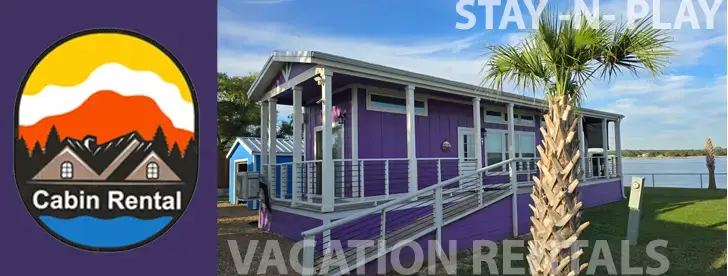
Lakeview Marina / Lakeview RV Park / Lakeview Vacation Cabin Rentals
159 E McLeroy Blvd
Saginaw, TX 76179
View Map